




India’s e-commerce market is growing so fast that it is easy to miss how uneven the growth is. AppsFlyer just released their State of eCommerce for Marketers in India – 2026 Edition, and there is one chart in it that should make every D2C and e-commerce marketer in this country stop and reconsider how they are spending their money.
Android shopping app installs in India grew 85% between Q3 2024 and Q2 2026. Globally, the same number grew 2%. India is not just outpacing the world, it is operating on a completely different scale. Quick commerce is a big part of the story, festive season spikes are another, and the sheer pace at which Indians are adopting shopping apps makes every global benchmark look sluggish.

But here is the number that matters more: Day 30 retention on Android fell 41% between Q4 2025 and Q2 2026. The global decline over the same period was 30%.

We are adding users faster than anyone in the world, and losing them faster too.
At DAiOM, we have been working with omnichannel and D2C brands long enough to know what this pattern looks like from the inside. And I want to share our perspective on what this report really means, beyond the headline numbers.
The Acquisition Addiction Is Real, And Getting Expensive
The report confirms something we have been seeing across our client work for the past 18 months: paid installs overtook organic installs in absolute volume by Q1 2026. For most of 2025, organic discovery was still leading, people finding brands through search, word of mouth, and content. That has flipped. Now, the majority of shopping app installs in India are paid.
This is not inherently bad. It just means the game has changed. When organic was leading, your brand, your content, and your search presence were doing the acquisition work. Now, your ad budget is. And here is the uncomfortable math: user acquisition spending in India rose 10% between Q4 2025 and Q2 2026, while remarketing spend dropped 42% over the same period.
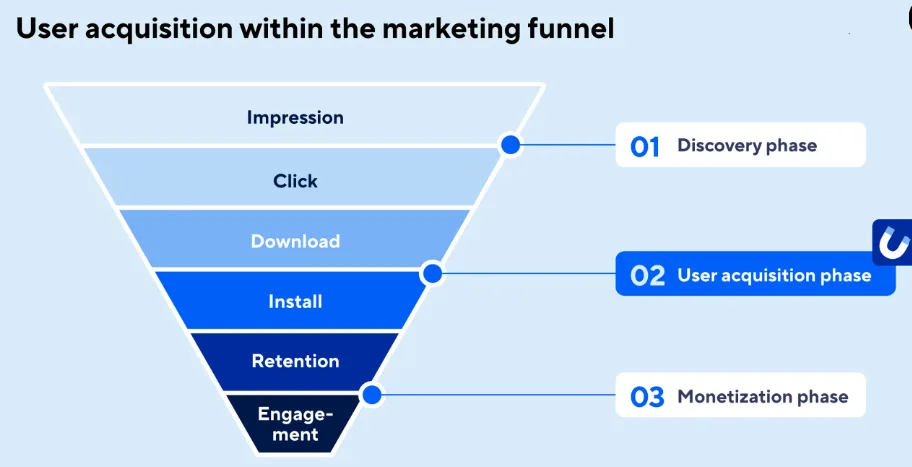
Read that again. Brands are spending more to bring people in and less to keep them around.
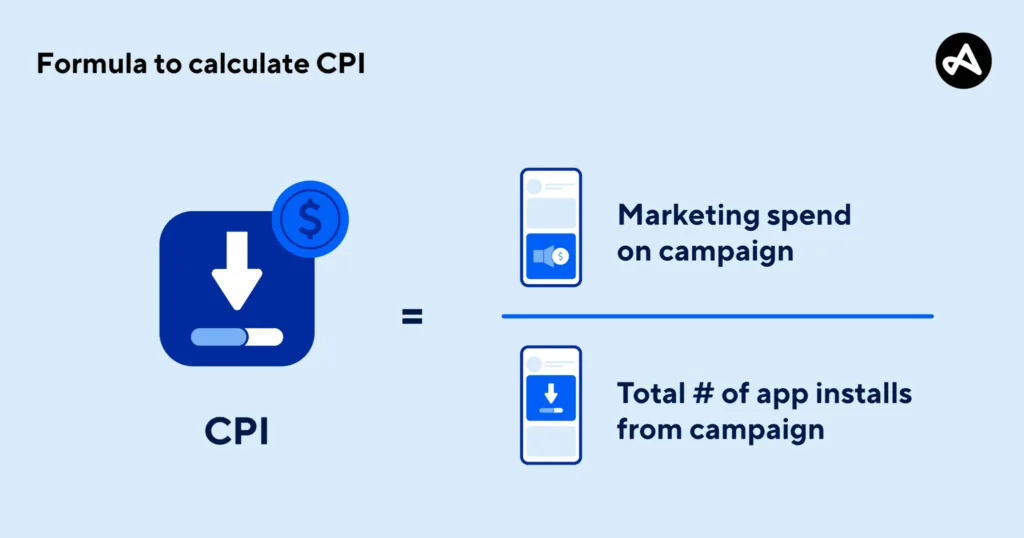
The CPI (cost per install) in India is still low by global standards, roughly $0.21 on Android versus $4.31 on iOS, which is why acquisition still feels affordable. But that low CPI hides the real cost: the customer you paid to acquire and then lost within 30 days cost you everything they would have spent over the next 12 months. That is the actual loss, and nobody puts it on the dashboard.
The Retention Crisis Is a Measurement Crisis
Here is what I think is actually happening beneath the surface:
Most Indian e-commerce brands measure acquisition extremely well. They know their CPI, their ROAS, their campaign-level performance down to the creative variant. Attribution is sophisticated, fraud detection has improved dramatically, the report shows India’s Android install fraud rate dropped from 10% in Q3 2024 to 3% in Q2 2026, which is well below the 7% global average.
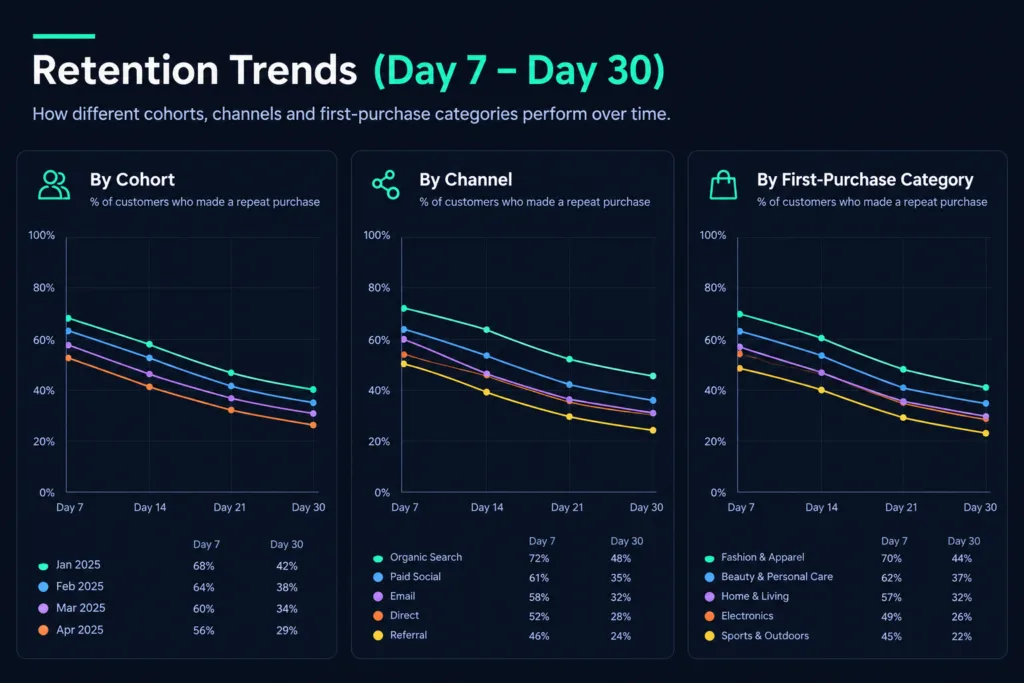
But ask those same brands what their Day 7 to Day 30 retention curve looks like by cohort, by channel, by first-purchase category, and most cannot answer with confidence. The measurement infrastructure for acquisition is mature. The measurement infrastructure for retention is not.
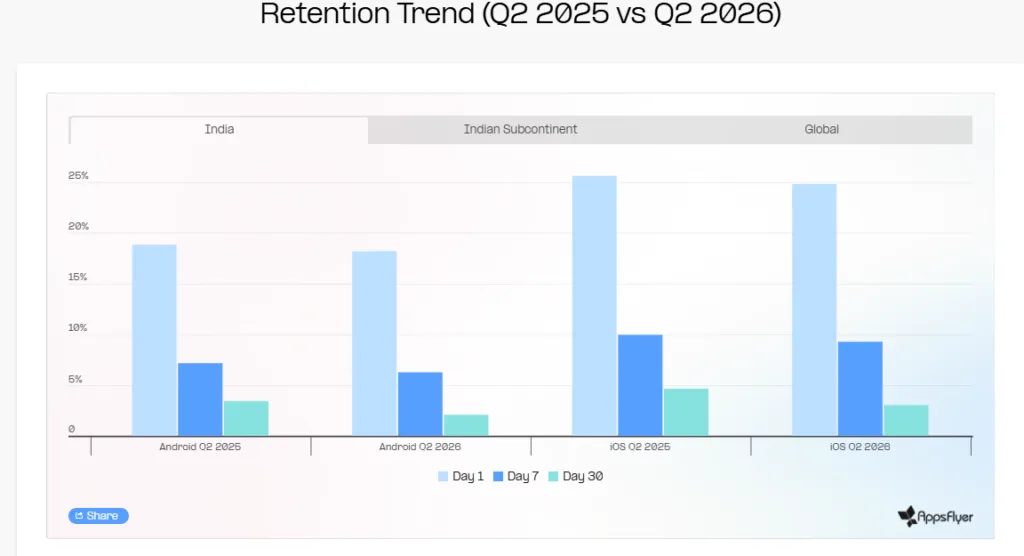
And that gap explains the spending pattern. You spend where you can measure. When acquisition has clean attribution and retention does not, the budget flows toward acquisition, not because it is the right strategy, but because it is the measurable one.
Remarketing Dropped 42%, And What does it really mean?
This is the finding that genuinely surprised me.
Remarketing spend in India fell 42% between Q4 2025 and Q2 2026, even as retention deteriorated. Globally, remarketing now accounts for the overwhelming majority of e-commerce app ad budgets. In India, the trend is moving in the opposite direction.
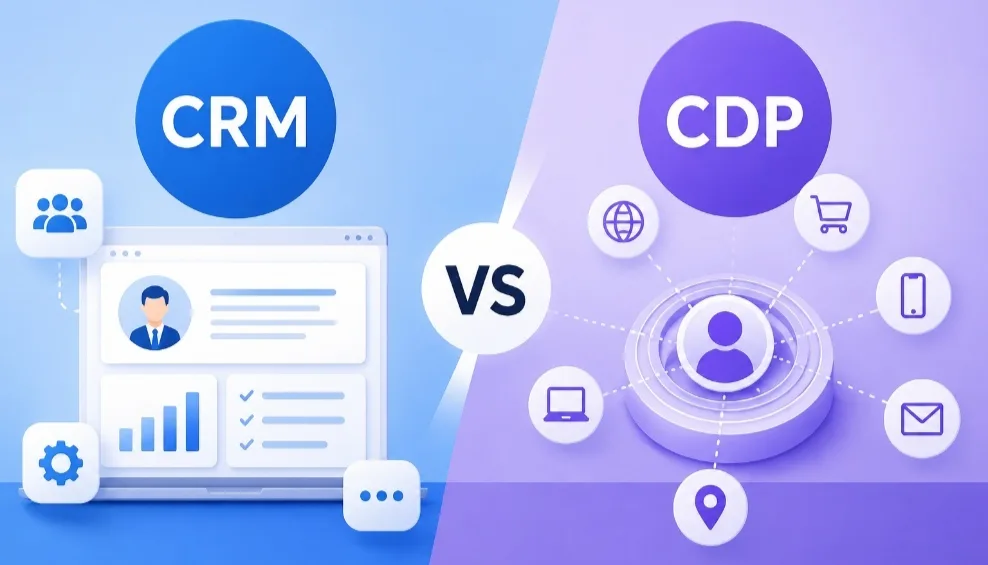
At DAiOM, when we work with brands on retention, we see the same pattern over and over. The first conversation is always about tools, which CRM platform, which marketing automation, which CDP. The second conversation, the more important one, is about what happens between the first purchase and the second.
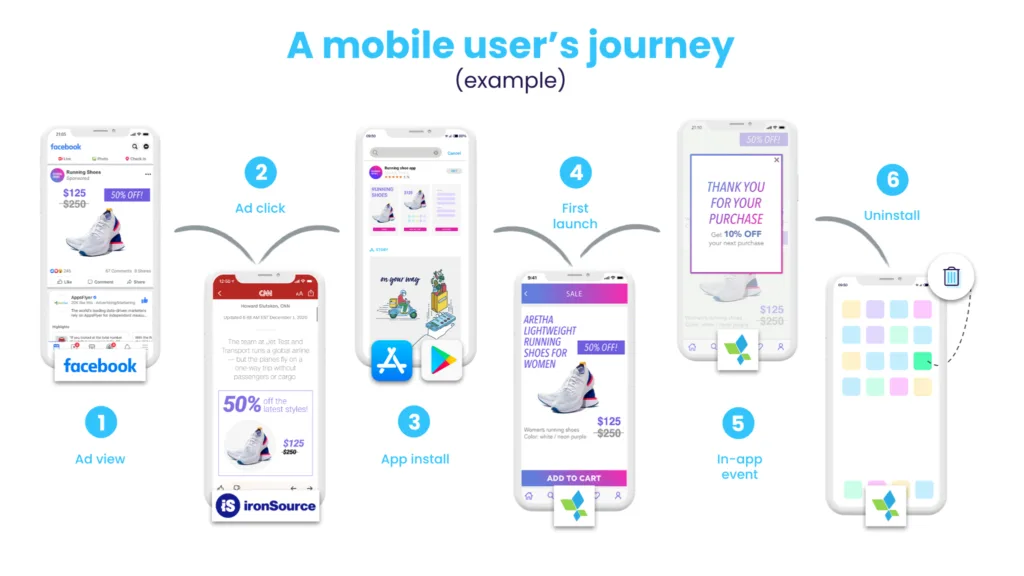
And for most Indian e-commerce brands, what happens is almost nothing. The customer downloads the app, maybe buys during a sale or a coupon-driven moment, and then enters a remarketing sequence that looks roughly like this:
- a push notification on Day 1,
- an email on Day 3,
- a WhatsApp message on Day 7,
and then silence until the next sale event. That is not retention marketing. That is a notification sequence masquerading as a relationship.

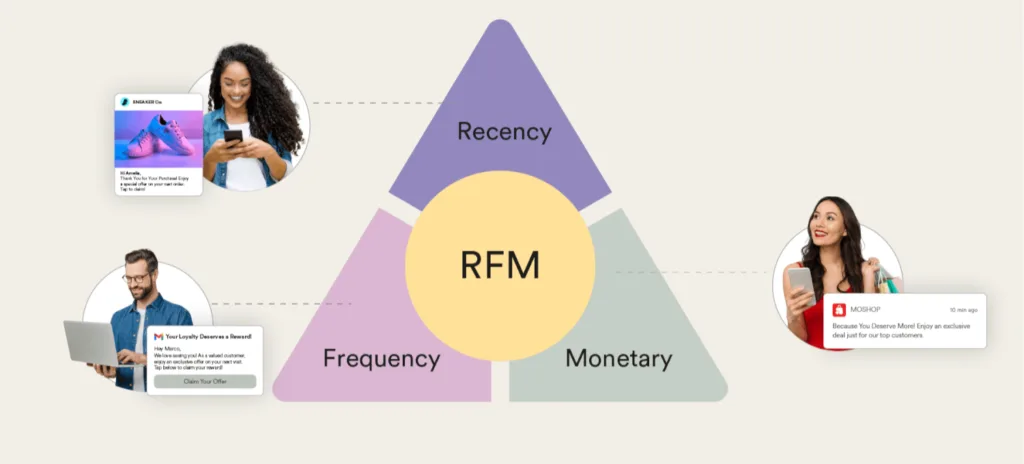
The brands that have cracked retention, the ones in AppsFlyer’s top quartile converting installs to purchases at 21% are doing something fundamentally different. They are building customer journeys that respond to behaviour, not timers. They are using RFM segmentation to treat different customers differently. They are investing in content, community, and personalisation between transactions, not just during them.
Festive Season Is a Feature, Not a Strategy
The report shows that India’s install growth surged during the Navratri festive quarter in 2025, far outpacing the rest of the world. Engagement held up well beyond the festive peak too.
This is both good news and a trap.
Good news because it confirms that Indian consumers are genuinely shopping through apps and the demand is real. The trap is that many brands are building their entire annual plan around two months of festive-season performance. The Q4 spike creates an illusion of product-market fit that does not survive Q1.
We have seen brands report “record GMV” during festive sales and then watch daily active users fall 40% by January. That is not a retention problem in January, it is a strategy problem that started in September, when the entire acquisition budget was designed to maximise installs during a window when everyone was already in a buying mood.
Smart brands, as the report hints, use Q1’s depressed CPIs to build retargeting pools that they activate during Q4’s high-intent windows. They acquire cheaply when nobody is competing and convert during the season when intent is highest. That sequencing build in the quiet months, convert in the loud months, is what separates the brands growing sustainably from the ones riding seasonal spikes.
Sessions Are Holding Up Even as Installs Moderate, And That Is the Real Signal
There is a finding buried in the report that I think is more important than the headline install growth: Android installs were 22% below their Q3 2025 festive peak by Q2 2026, but sessions declined only 5%.
That five-percent session decline against a 22-percent install decline tells you something important. The people who stayed after the festive spike are actually using the app. The casual installs fell away, but the engaged base held.
This is exactly why we push brands to look at session-to-install ratios and not just install volumes. An app with 1 million installs and 100,000 monthly active users is in worse shape than an app with 500,000 installs and 200,000 monthly active users. The second app has a lower number that means more.
What Indian E-Commerce Brands Should Actually Do
Here is what I would tell any D2C or e-commerce brand reading this report:
Stop treating retention as a channel and start treating it as a strategy. Retention is not “the CRM team that sends messages.” It is product experience, post-purchase communication, loyalty mechanics, personalisation, and customer service working together. If retention sits in one team with one tool and one budget line, it will always lose the resource fight against acquisition.
Rebalance spend toward remarketing, now, not next quarter. The report shows remarketing driving 30% of non-gaming app conversions globally. India’s 42% drop in remarketing spend is a market-wide misallocation. The customers you already have are cheaper to convert, more likely to buy again, and more likely to refer others. Every rupee shifted from acquisition to remarketing at this stage of the market has a higher expected return.
Build your first-party data foundation before you need it. The shift from organic to paid acquisition means brands are increasingly renting their audiences from ad platforms rather than owning them. Email lists, WhatsApp opt-ins, app push tokens, and loyalty programme members are audiences you own. Building that base now, while CPIs are still low in India is the single highest-ROI investment a brand can make.
Measure what matters after the install. Set up cohort-level retention tracking. Know your Day 1, Day 7, and Day 30 retention by acquisition channel, by first-purchase category, and by campaign. If you cannot see which channels bring customers who stay versus customers who leave, your attribution model is telling you half the story.
Use AI for diagnosis, not just reporting. The report found that most e-commerce teams are using AI tools for quick data retrieval rather than deeper diagnostic analysis. That is a missed opportunity. AI should answer “why did Day 30 retention drop in this cohort?” not just “what is my Day 30 retention?”
The Bottom Line
India’s e-commerce app market is not slowing down. The install volumes are extraordinary. The fraud rates are improving. The digital infrastructure is better than it has ever been.
But the report makes one thing very clear: the next phase of growth will not come from more installs. It will come from keeping the customers you already spent money to acquire. The brands that figure out retention, real retention, not just a notification sequence, will compound their way to dominance. The ones that keep pouring money into the top of the funnel while the bottom leaks will eventually run out of either customers or cash.
The gap between 85% install growth and 41% retention decline is not a statistic. It is the single most important strategic question facing Indian e-commerce right now.
And the answer is not another ad campaign.