
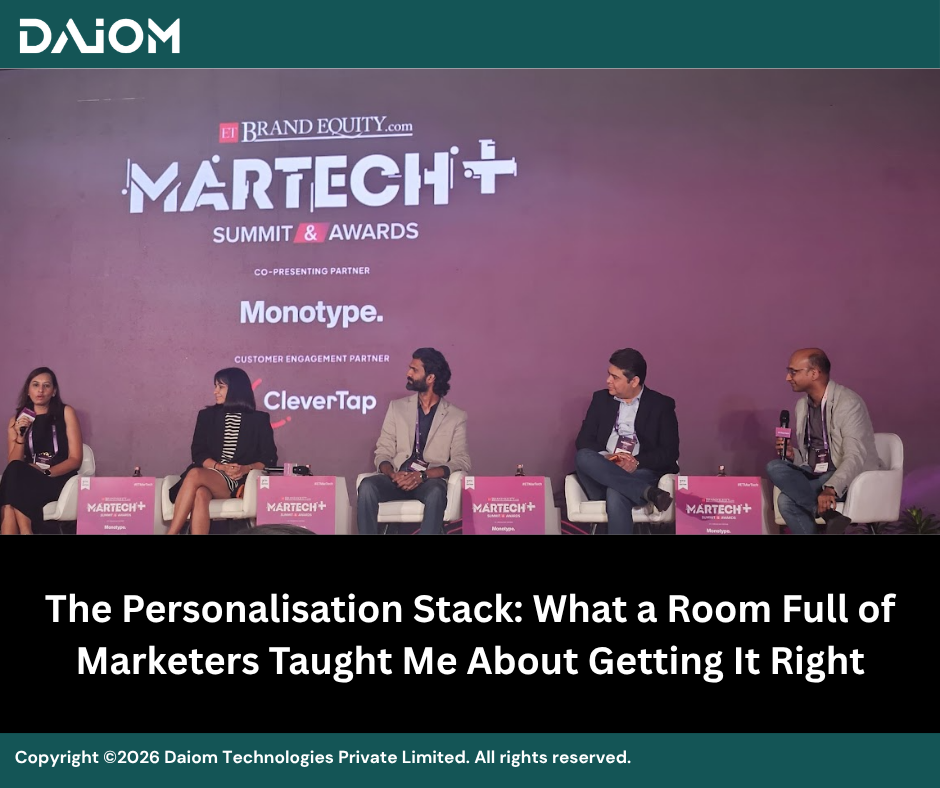



Last week, I opened the panel at the ET MarTech Summit with a simple question: how many of you have received a message with your name written wrong?
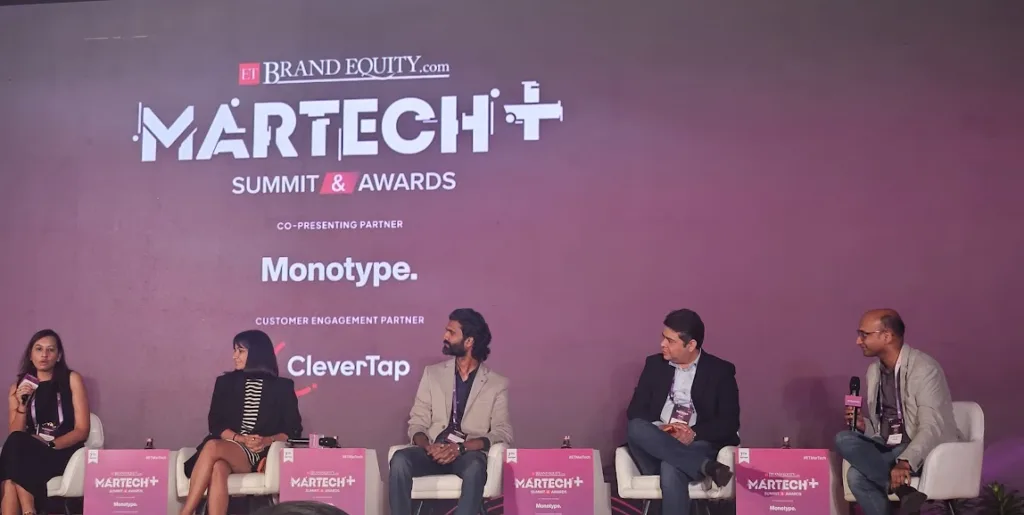
Almost every hand in the room went up.
That is where personalisation stands today for most brands. The intent is there. The data is often there. The tools are definitely there. But somewhere between the customer database and the message that lands on a phone screen, something breaks, and the result is a communication that feels less personal than a postal letter from a bank.
ET BrandEquity is one of India’s most respected platforms for marketing and brand leadership, and their MarTech Summit in Gurgaon brought together some of the best minds in the industry under one theme that the entire room had an opinion on: martech and personalisation.
I had the privilege of chairing the MarTech Dialogue on “The Personalisation Stack: Unifying Data, Decisioning, Content and Activation”, a panel that, on paper, looked like it covered very different worlds: insurance, beauty, fashion, food, hospitality, and marketing technology. But the moment the conversation started, what became clear was that the surface differences were a distraction. The underlying problems: data silos, over-messaging, the gap between knowing a customer and actually serving them were the same across every category.
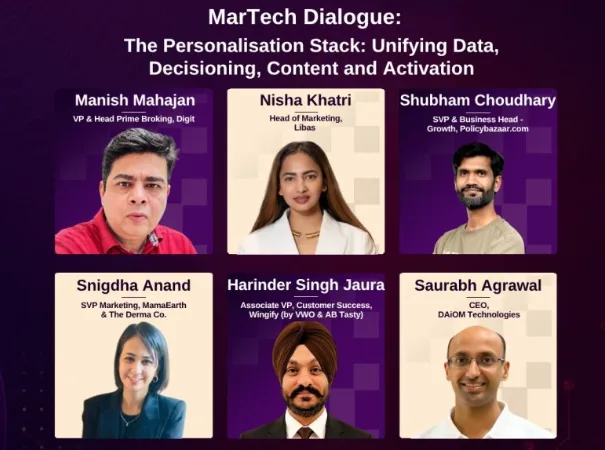
The panel brought together:
- Manish Mahajan, VP & Head Prime Broking, Digit
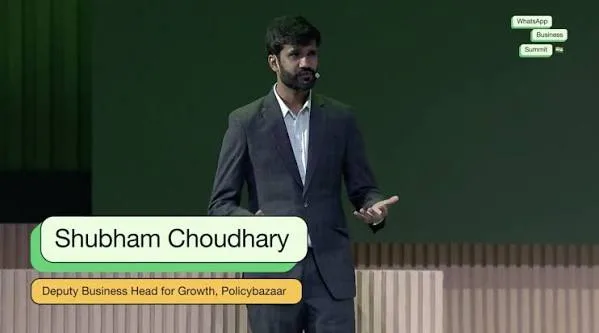
- Shubham Choudhary, SVP & Business Head – Growth, Policybazaar.com
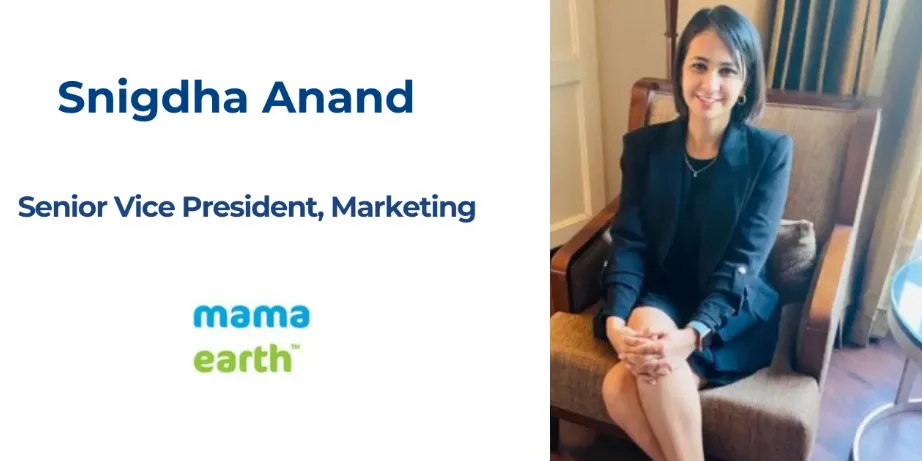
- Snigdha Anand, SVP Marketing, Mamaearth & The Derma Co.
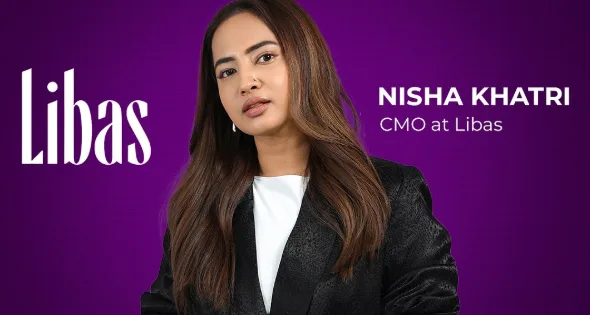
- Nisha Khatri, Head of Marketing, Libas
- Harinder Singh Jaura, Associate VP, Wingify
- Divya Aggarwal, Chief Growth Officer, Impresario Entertainment & Hospitality
- Divya Agrawal, CMO, Social
We covered 5 main areas:
- What does personalisation mean to your brand?
- Personalisation for new vs repeat customers?
- What is the role of AI & data you see playing in personalisation?
- Offline Personalisation
- Mistakes brands make
Personalisation Means Something Different in Every Category
The first thing I wanted to establish was this: personalisation is not a universal definition. It means something completely different depending on what you sell and how your customer buys.
In beauty, the shift has already happened. Snigdha (Mamaearth & The Derma Co.) put it simply: an acne-focused ad shown against the right content is not just better targeting, it is a fundamentally different conversation with a fundamentally different customer. Same product category, completely different need, different message, different moment. That is what segmented content actually means when it is done with intent rather than just demographic cuts.
In insurance, the principle has always been there, just applied differently. Manish (Digit) pointed out that the industry has grouped similar risks together at a population level for decades, while simultaneously evaluating every individual at the underwriting stage. The intelligence existed. The gap was in what happened after acquisition, servicing, renewals, new product relevance, where that individual intelligence too often disappeared and the customer was folded back into a mass communication model. The real unlock is carrying what you know about a person through the entire lifecycle, not just the sale.
Shubham from Policybazaar offered a marketplace perspective. When someone lands on a platform with dozens of competing products, personalisation is about being genuinely useful, showing someone the right product for their life stage, not just the most popular one or the cheapest one. That requires understanding who is really sitting on the other side of the screen, not just what they clicked.
Nisha from Libas added the dimension of emotion, understanding not just what a customer has bought, but what occasion they are buying for, what feeling they are trying to create.
And Divya from Impresario put it best: personalisation in hospitality started long before the digital marketing industry invented the word. Knowing a returning guest’s preferences, greeting them by name, remembering what they ordered last time, that is personalisation at its most human.
New Customers vs. Repeat Customers: Two Completely Different Problems
One of the more useful moments in the conversation was when I pushed the panel to separate their approach to new customers versus repeat ones, because most brands treat them as the same challenge, and they are not.
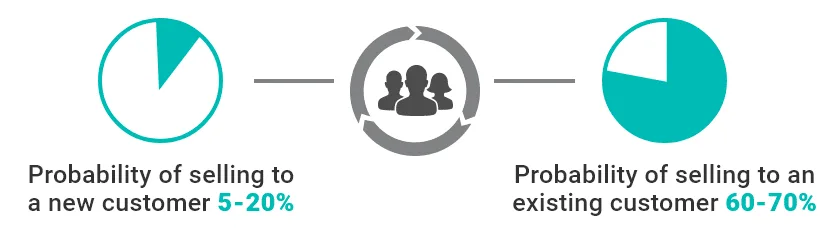
For a new customer, you are working with limited signals. You know where they came from, what they browsed, and perhaps their demographic. Shubham described this as a signals game: building a picture quickly enough to make the first conversation feel relevant before trust has been established.
In insurance especially, the mass marketing layer that builds awareness and need is what creates the conditions for personalisation to work at all. If someone does not understand why they need a product, the most sophisticated personalisation in the world cannot save the sale.
For a repeat customer, the problem inverts. You have more data than you know what to do with, and the risk is using it badly. Manish made the point that one of the biggest failures in CRM is treating the same person as two different profiles because their data is siloed across systems. The customer is one person. The brand’s technology sees five.
Discovery vs. Intent & role of AI in Personalization?
I asked the panel a question that I genuinely did not know the answer to going in: does personalisation help more with discovery, the moment someone stumbles across something they did not know they needed, or with intent, when they already know what they want and just need the friction removed?
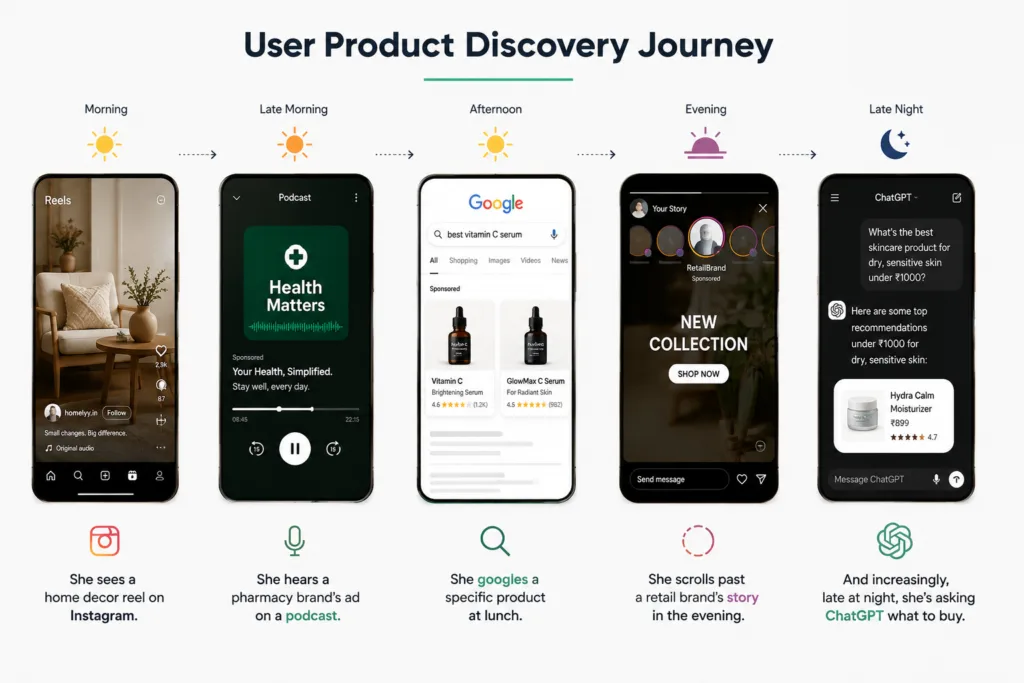
The answer, as it turned out, depends entirely on the category.
AI in personalisation is no longer theoretical, it is already on the floor.
- Divya (Impresario) described staff being briefed with AI-synthesised guest history before a customer even sits down.
- Harinder (Wingify) showed the other side, landing pages adapting in real time based on who arrived and what they have done before.
The common thread: AI does not replace human judgment in personalisation, it gives that judgment better information to act on.
For fashion, as Nisha described, discovery is everything. The purchase moment for something like ethnic fashion is emotional and aspirational, not functional. Personalisation for Libas means understanding a customer’s brand interactions, their life occasions, and their aesthetic sensibility, and then surfacing the right product at the right emotional moment, not just the right product at the right price.
For insurance, nobody dumb-scrolls and buys a term plan. Intent is the territory. Personalisation in insurance is about education, helping someone understand what they actually need when a life trigger puts them in the market: a marriage, a loan, a child, a health scare.
I asked the audience how many people had bought something while dumb-scrolling in the last month. Half the room put their hands up. I asked how many had discovered their insurance policy the same way. Not a single hand.
Offline Personalisation: The Part Most Brands Get Wrong
One thing that came through clearly in the conversation is that 70-80% of retail sales still happen offline, and yet almost all the personalisation conversation in the industry focuses on digital channels.
Divya put this in perspective with a simple observation: in hospitality, personalisation has always been a human skill. The captain who remembers your preferred table, the server who knows you do not eat spice, the manager who greets you by name when you walk in. AI is now making that possible at scale, giving floor staff access to customer history, preferences, and context before the customer even sits down.
Nisha shared something I found genuinely interesting that store associates are, in a sense, an analogue algorithm. When a customer who has been browsing multiple SKUs online walks into a physical store, the associate picks up signals in real time, what they touch, what they respond to, what price points make them hesitate. The best associates have always been doing contextual personalisation.
The question is how well brands are capturing and feeding back what they learn in-store into the digital ecosystem.
The Mistake Brands Keep Making
I ended the panel with a question: forget your brand for a moment. As a customer yourself, what is the one personalisation mistake you see brands making repeatedly, and that you never want your own brand to replicate?
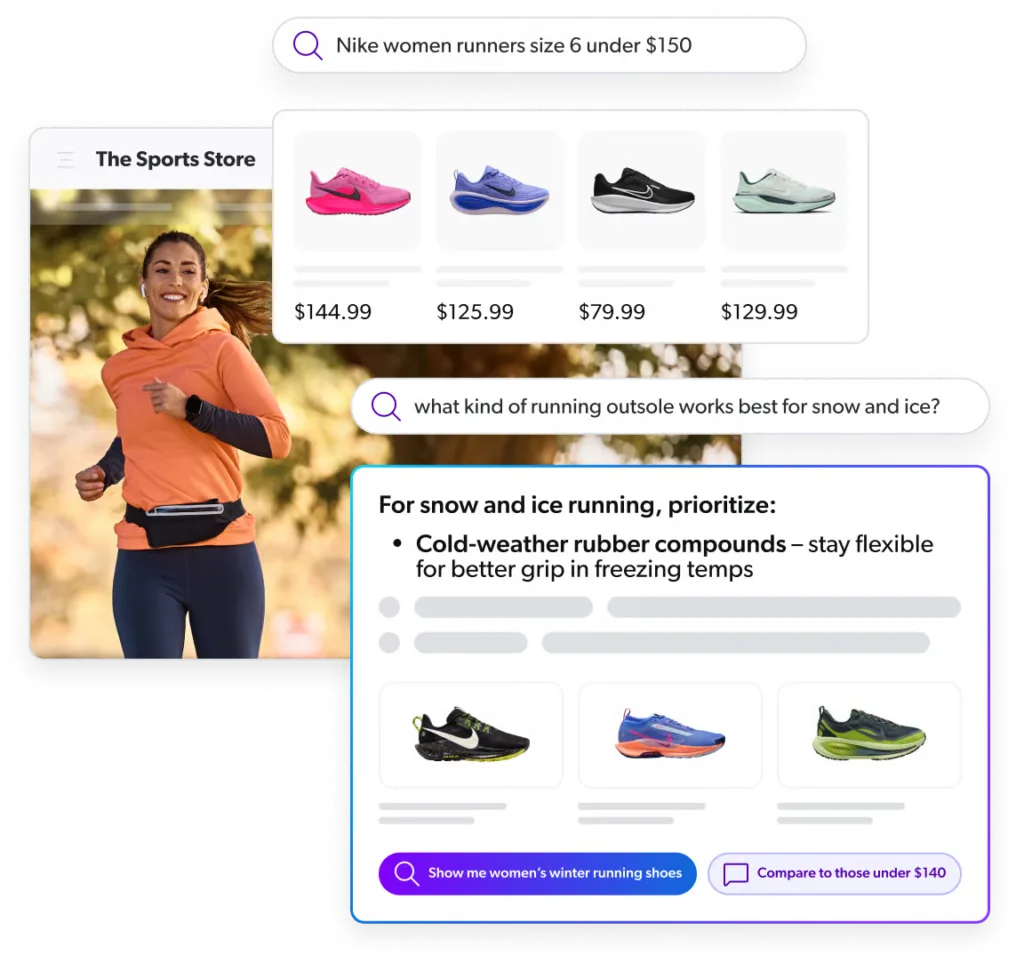
The answers were almost embarrassingly consistent.
- Over-messaging. The same message sent to the same person across WhatsApp, email, SMS, and push notification within the span of an hour.
- Campaigns clearly built to exhaust a budget rather than serve a customer.
- Communications that arrive the moment a customer has clearly moved on.
Manish pointed out that the problem is not the data. The problem is how the data is managed. Most brands have the customer information they need to personalise well. What they lack is the discipline to use it thoughtfully, to ask not just “can we send this?” but “should we, and when?”
I asked if WhatsApp charged five rupees per message, personalisation would improve overnight. When every message costs something, you only send the ones that matter.
Personalisation only works when the entire stack works together: the data, the decisioning, the content, and the activation. Any one of those four things missing, and you end up back where we started: a message with someone’s name spelled wrong, going to a segment of one that was never really treated as an individual.
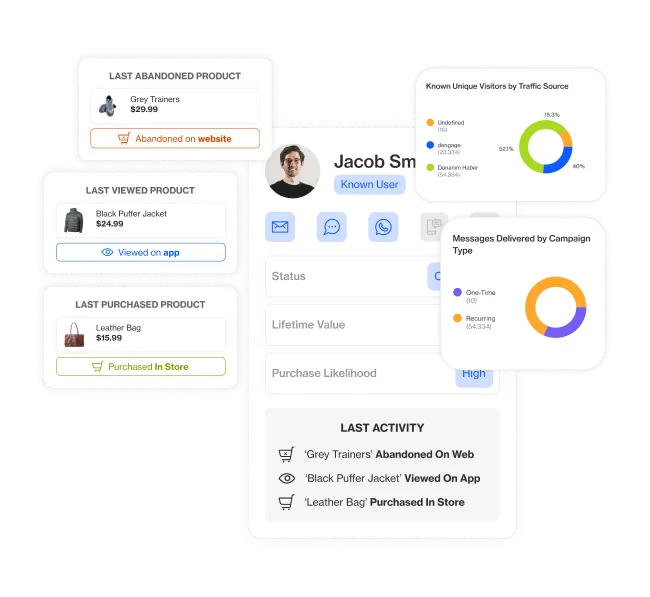
The technology to do this well exists. The data, in most cases, exists. What is still catching up is the organisational discipline to connect them.
Saurabh Agrawal chairs the Dilse Omni Talks podcast and is CEO of DAiOM, an omnichannel growth consulting firm. He chaired the MarTech Dialogue on The Personalisation Stack at the ETBrandEquity MarTech+ Summit & Awards 2026.