



Think about how often you open WhatsApp in a day. Now think about how many of those conversations end with something you need to do later. “Will send it by evening.” “Let’s catch up Thursday.” “Remind me about this.” With so many little things waiting on you, it’s easy to lose track of a few.
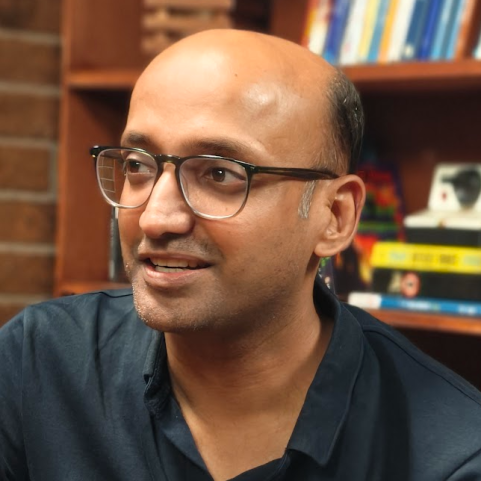
I was thinking about exactly this during a recent Dilse Omni Talks conversation with Swapnika Nag, Co-founder and CEO of Periskope, the company behind Perisclaw. Her team is building Perisclaw, a personal AI assistant that lives inside your WhatsApp. It’s being built from India, for a world that runs on chat.
I’ll admit I walked into that conversation as a user, not just a host. I’ve been using both Instinct and Perisclaw. The first weekend with Perisclaw, I was on steroids. Now every morning around 9, it tells me what’s pending: who I owe a reply, and who owes me one. It has quietly made me a lot more productive.
Here’s when it really clicked for me. For the podcast, I reach out to a lot of guests, and my hit rate is around 5%. But one very busy investor and founder replied to me like clockwork, every single morning. A few days into using Perisclaw myself, I understood why. He had the same morning list I did.
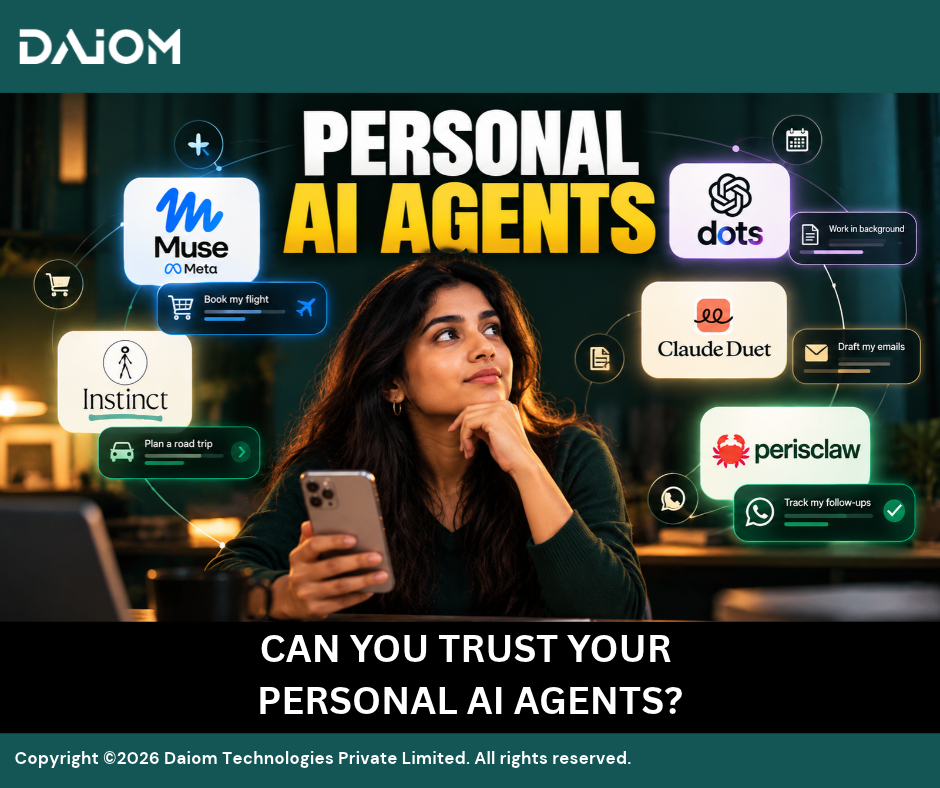
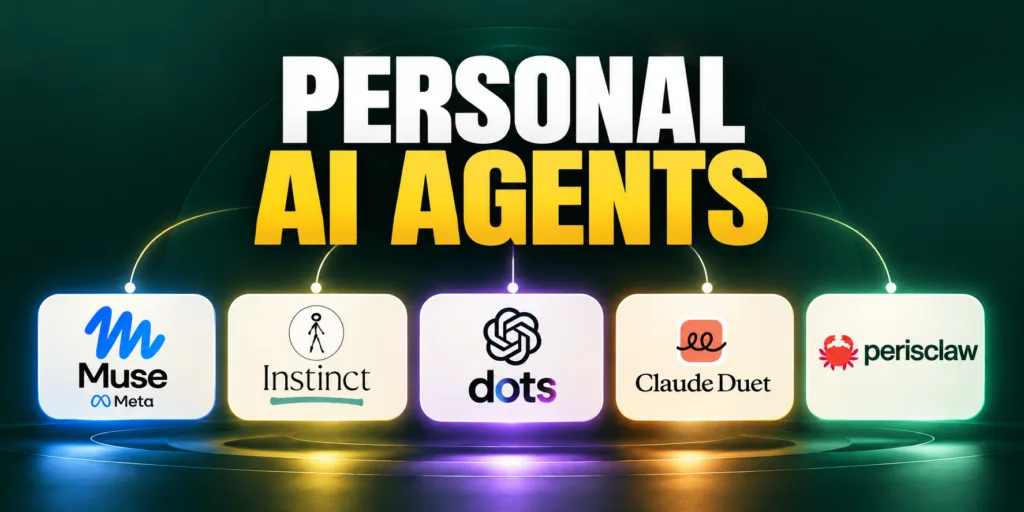
And this space is moving fast. In about seven weeks, Meta launched Muse, Instinct raised money at a $10 billion valuation, and OpenAI announced Dots. They’re all selling the same promise: don’t just ask the AI, hand it the job. The real question is which one actually pulls it off.
1. Why is personal AI being called the next big thing?
For the last three years, most of us have used AI like a really smart search box. You ask, it answers, and then you go and do the work yourself.
Swapnika put the shift better than I could:
“The next evolution of AI for you is personal AI assistants who do more long-running tasks with the full context of your life.”
Swapnika Nag, on Dilse Omni Talks
That’s the difference. These assistants remember what you like, understand what’s going on in your life, and then go and do the thing. Book a table for Saturday. Move tomorrow’s 4 pm call because something came up. Chase the vendor who’s gone quiet for a week.
So the question has changed. It’s no longer “who gives the best answer?” It’s “who actually gets it done?”
2. What can you actually hand over, and to which tool?
Let’s be honest: not many of us can afford an executive assistant. I said this to Swapnika on the podcast, and her definition of what one does stuck with me:
“An executive assistant is someone who takes away a lot of the manual, repetitive admin parts of your work and makes that simpler.” Swapnika Nag, on Dilse Omni Talks
That’s exactly what these tools are promising: an assistant for people who could never justify hiring one. Here’s roughly what you can offload today, and where:
• Bookings, errands and shopping like flights, tables, groceries and cancelling forgotten subscriptions: Muse and Instinct
• Follow-ups and promises buried in chats, plus a daily list of what’s pending: Perisclaw
• Setting up meetings and pre-meeting briefs pulled from scattered chats and emails: Perisclaw
• Long-running research and work projects that keep moving after you log off: ChatGPT Dots
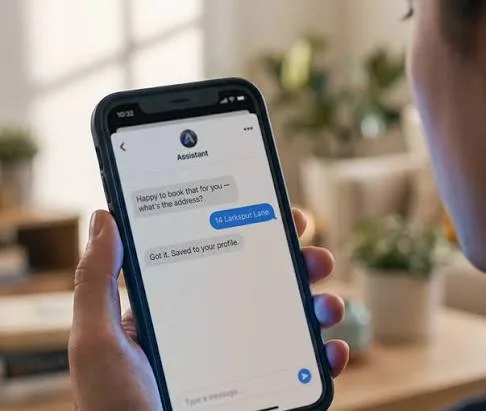
The smarter tools also understand that tasks rarely come alone. Swapnika told me about planning her son’s first birthday, with one party in Gurugram and another in Bengaluru. Flights, hotels, the event manager and caterers all had to line up.
“One task is never one task. A dumb assistant will say you have three separate tasks. A smart assistant will know all of this is essentially one thread, and if one thing moves, all the others move.”
Swapnika Nag, on Dilse Omni Talks
So if a flight gets cancelled, a good assistant knows the hotel and the event manager need to hear about it too.
3. Who is building what, and how are their bets different?
Everyone is chasing the same idea, but each company has a completely different answer to one simple question: where should your assistant live?
Meta Muse: the AI that runs your errands
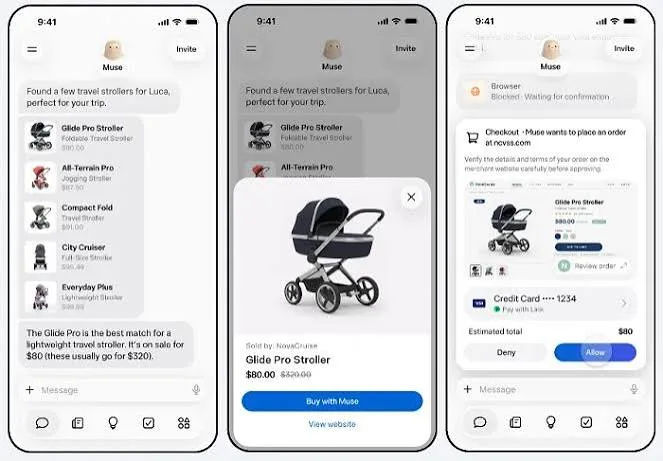
Meta is going after everyday consumer tasks. Muse can send emails, book travel, manage payments and even sell a car for you. Its real advantage is distribution. It works inside WhatsApp, a reach most agent startups could only dream of buying. For now, though, only US users aged 18 and above can use it.
Instinct: the AI you simply text or call
Instinct thinks you shouldn’t have to learn a new interface at all. There’s no app full of buttons. You text it, call it or message it on WhatsApp, and it uses a phone and computer the way a person would. Ask it to plan a road trip, order groceries or cancel that subscription you forgot about. It’s still invite-only.
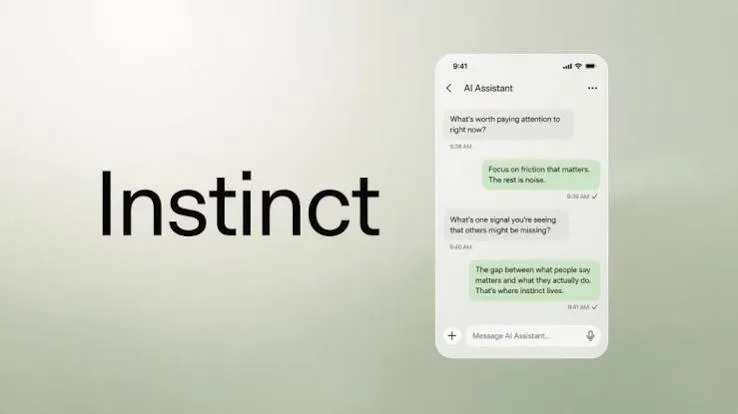
The number that matters: $10 billion. That’s Instinct’s valuation after its September Series C, led by Sequoia, Benchmark and Coatue.
OpenAI Dots: the AI that keeps working while you sleep
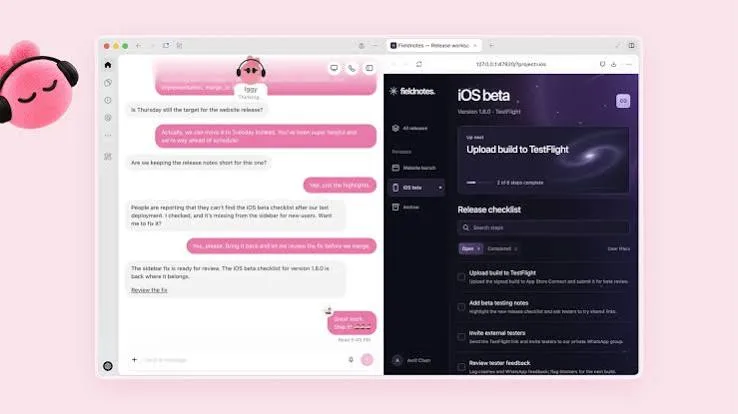
OpenAI is betting on persistence. A dot gets its own cloud computer and browser, and keeps working on your goals after you’ve closed the chat. When it’s idle, it does what OpenAI calls proactive research: it looks through your connected apps, in read-only mode, for ways to help. It plugs into over 4,000 apps through OpenAI’s plugins. Right now, only Pro and Business Premium subscribers get access.
Perisclaw: the AI that already knows your WhatsApp
Perisclaw is betting on context. You don’t have to brief it, because it reads your chats and already knows what’s going on. It keeps track of what you owe, who’s waiting on you and what’s coming up. It runs on your own WhatsApp number, so there’s no new contact or bot to add. It also links WhatsApp to Calendar, Gmail, Drive, Notion and Slack.
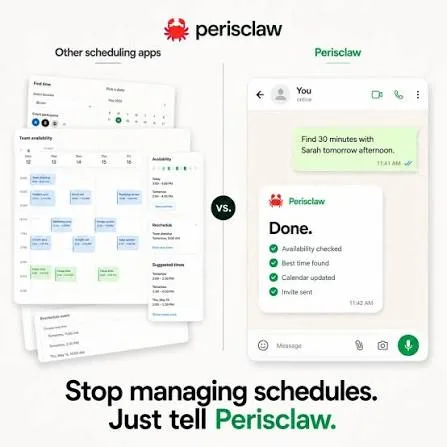
Swapnika was clear that Perisclaw isn’t trying to be everything:
“We see ourselves as less of a personal assistant and more of an executive assistant.”
Swapnika Nag, on Dilse Omni Talks
Her focus isn’t finding you a cheaper flight. It’s taking over the messy work that runs across WhatsApp and all your other channels.
Also in the race: Claude
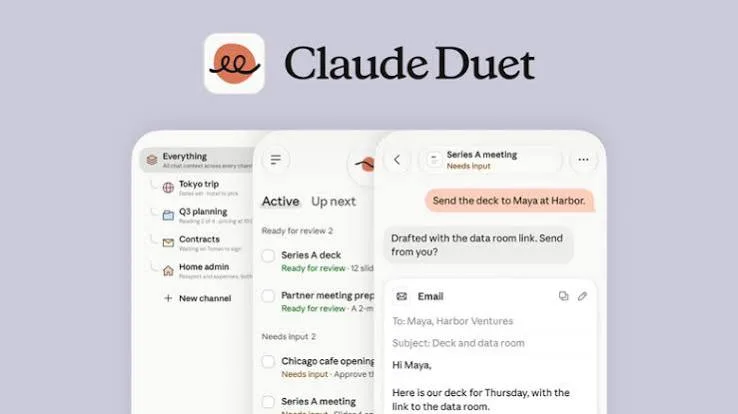
Anthropic has entered the race too. On 21 October, it announced Claude Duet as a research preview: a personal agent that runs on its own cloud computer and keeps working after you close the app. It uses the same memory and connected apps as regular Claude, and it asks before it sends a message, makes a payment or deletes anything. For now, it’s rolling out through a waitlist to Pro and Max subscribers in the US.
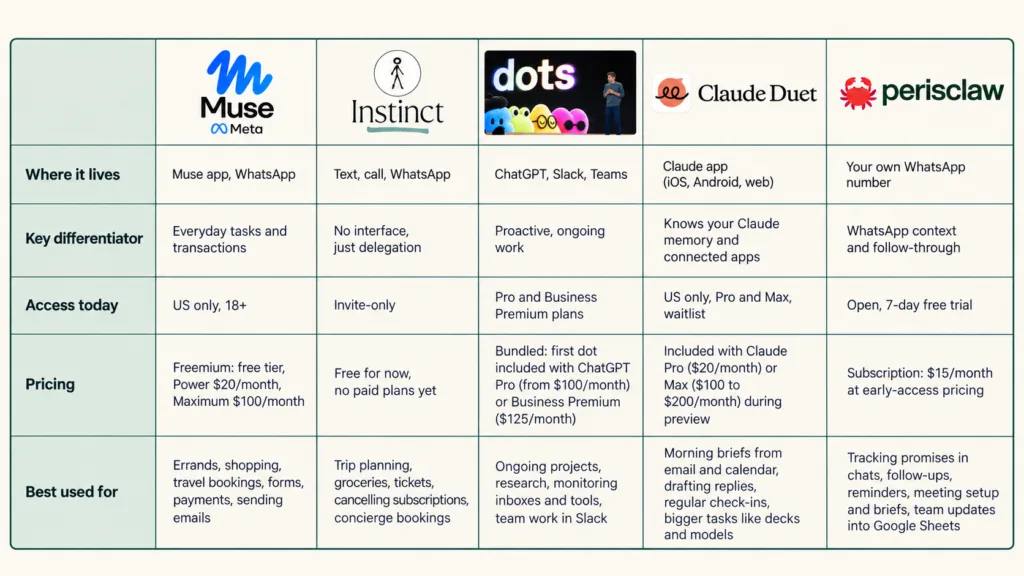
So will one assistant win it all? Swapnika doesn’t think so:
“You may have one general-purpose assistant like an Instinct or Muse, but you will have multiple vertical or specialised assistants. Your work will likely be done by a different assistant.”
Swapnika Nag, on Dilse Omni Talks
4. Could WhatsApp be India’s front door to personal AI?
As an Indian marketer, one thing jumped out at me. Look at the “Access today” row in that table again. Muse is US-only. Instinct is invite-only. Dots sits behind premium plans. For most people reading this in India, the big global launches are still something you read about, not something you use.
Meanwhile, our business and personal lives already run on WhatsApp. When I left my last job, I had to exit 300 WhatsApp groups. Swapnika has a line for this that I keep repeating:
“Most people think WhatsApp is the most used communication layer of the world. But you don’t realise that WhatsApp is the operating system of the world.”
Swapnika Nag, on Dilse Omni Talks
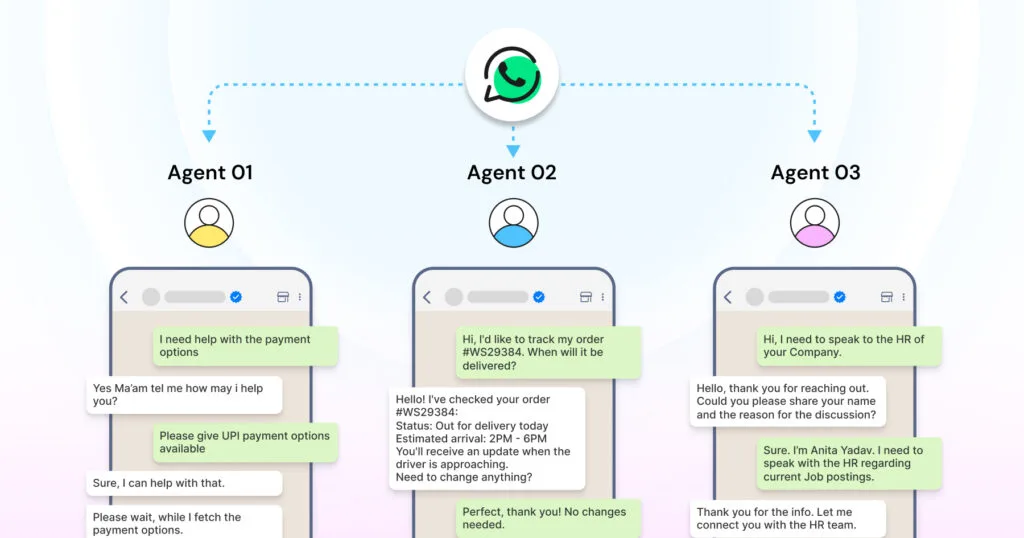
That’s why Perisclaw’s approach makes so much sense here. You don’t move your life into a new assistant. The assistant moves into the app where your life already is.
What surprised me most is who’s using it. You’d expect tech-savvy founders. But Swapnika says the biggest segment is people who aren’t tech-forward at all. Perisclaw went viral in Kolkata’s business community, among traders, retailers and steel businesses that run on WhatsApp and Google Sheets. Mohamed Alabbar, the founder of Emaar, doesn’t even type to it. He just leaves long voice notes.
And her company already knows this world. Periskope, Perisclaw’s sister product, serves over 5,000 businesses across about 100 countries, and around 40% of that business comes from India.
5. Are we ready to trust AI with our lives?
None of these companies can dodge this one. To be really useful, an assistant needs access to your email, calendar, chats and sometimes your wallet. That’s a lot to hand over.
And the worries aren’t theoretical. Meta delayed Muse’s original launch after internal testing raised concerns about how the agent handled sensitive information.
I asked Swapnika how someone like Mr Alabbar gets comfortable with all this. She said privacy is by far the first question people ask, and it shaped how Perisclaw was built:
“The only number you will trust on WhatsApp is your number.” Swapnika Nag, on Dilse Omni Talks
So Perisclaw never becomes another number you talk to. Each user’s data sits in an isolated, encrypted container that only they and their agent can access.
The number that matters: 58% vs 17%. Swapnika shared that Perisclaw users who let it run jobs on its own, like following up with a vendor about an invoice, convert at 58%. Those who only chat with it convert at about 17%. Once people trust the assistant to act, they stay.
If I had to bet, it’s trust, not intelligence, that will decide how fast people adopt these assistants.
6. What does this mean for brands and marketers?
I work with a lot of omnichannel brands, and managing stores is a nightmare. There’s a regional WhatsApp group, a city group, a morning checklist, an afternoon checklist. So one story from the episode stood out.
Swapnika told me about a businessman who runs 57 retail stores across the Northeast. Every morning, his store managers are supposed to share attendance, stock, revenue and compliance updates on WhatsApp. He used to wake up, go through every group, chase whoever hadn’t sent it and copy it all into a Google Sheet. Now he just sends Perisclaw a
voice note: at 9 am every day, collect the updates, chase anyone who hasn’t sent them, fill the sheet and tell me what looks off.
That’s the operations side. On the customer side, the shift is just as big. If assistants start booking tables, buying groceries and comparing products for us, the first “customer” a brand meets might not be a person scrolling its website. It could be an AI agent shopping on someone’s behalf.
That changes a few things. Product information has to be clean and complete, because an agent can’t be won over by a clever banner. It needs accurate prices, stock levels and return policies it can actually find. If people’s assistants live in WhatsApp, brands that are quick and organised on WhatsApp will be easier to buy from.
We looked at the business side of this shift in our piece on agentic marketing. Personal AI assistants are the consumer side of the same story.
So, who will win the personal AI race?
My guess is it won’t be the smartest AI. It’ll be the one that knows your context, shows up where you already spend your time, gets things right, and earns your trust. And if Swapnika is right, you won’t have just one.
I keep coming back to one question, so I’ll ask you too: would you hand an AI the keys to your WhatsApp, calendar and inbox? Tell me in the comments. I’m genuinely curious where you’d draw the line.