



There are some days that remind you why you do what you do, and for me, Google DevFest was one of those.
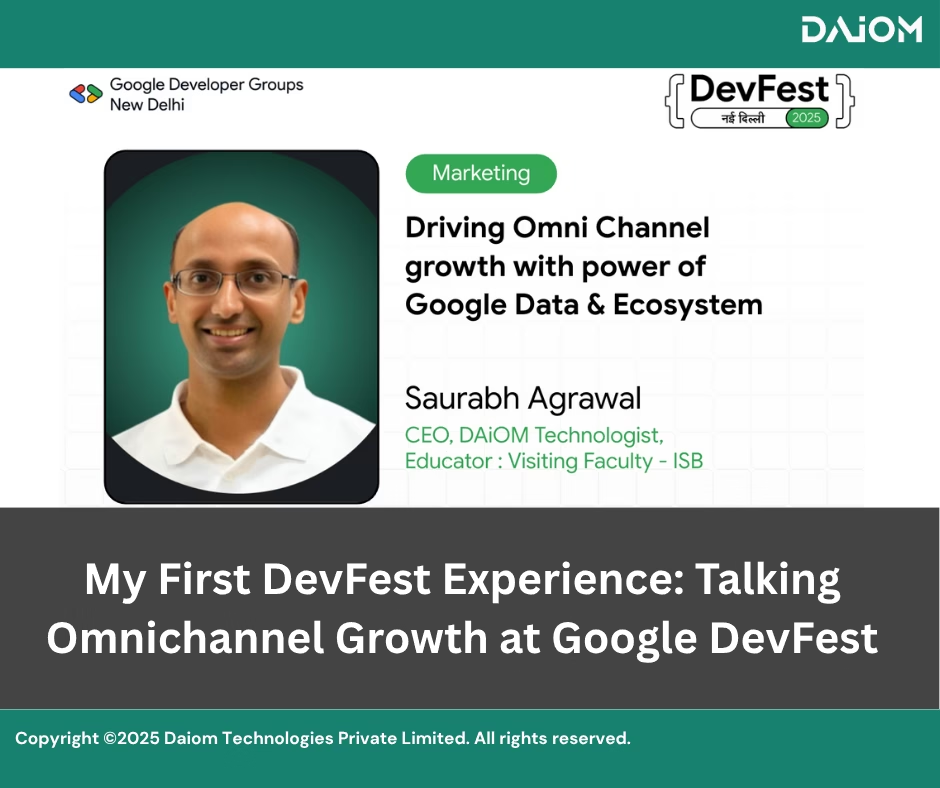
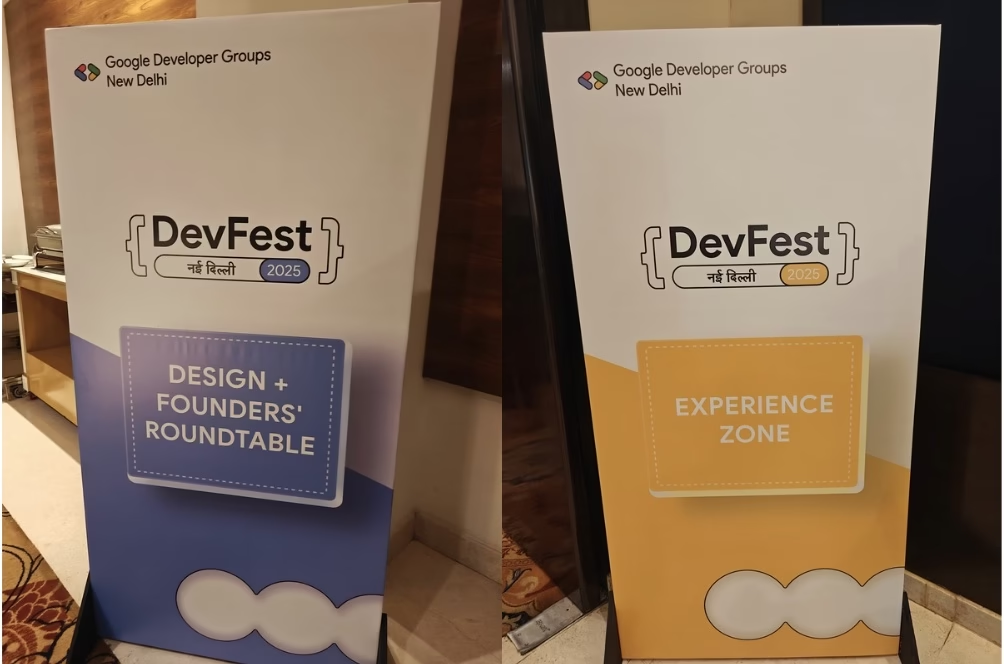
Walking into a buzzing space filled with developers, marketers, creators, and tech enthusiasts, I could feel the energy right away. It was my first-ever DevFest, and what made it even more special was getting to speak in the first-ever Marketing Track at DevFest Dwarka.
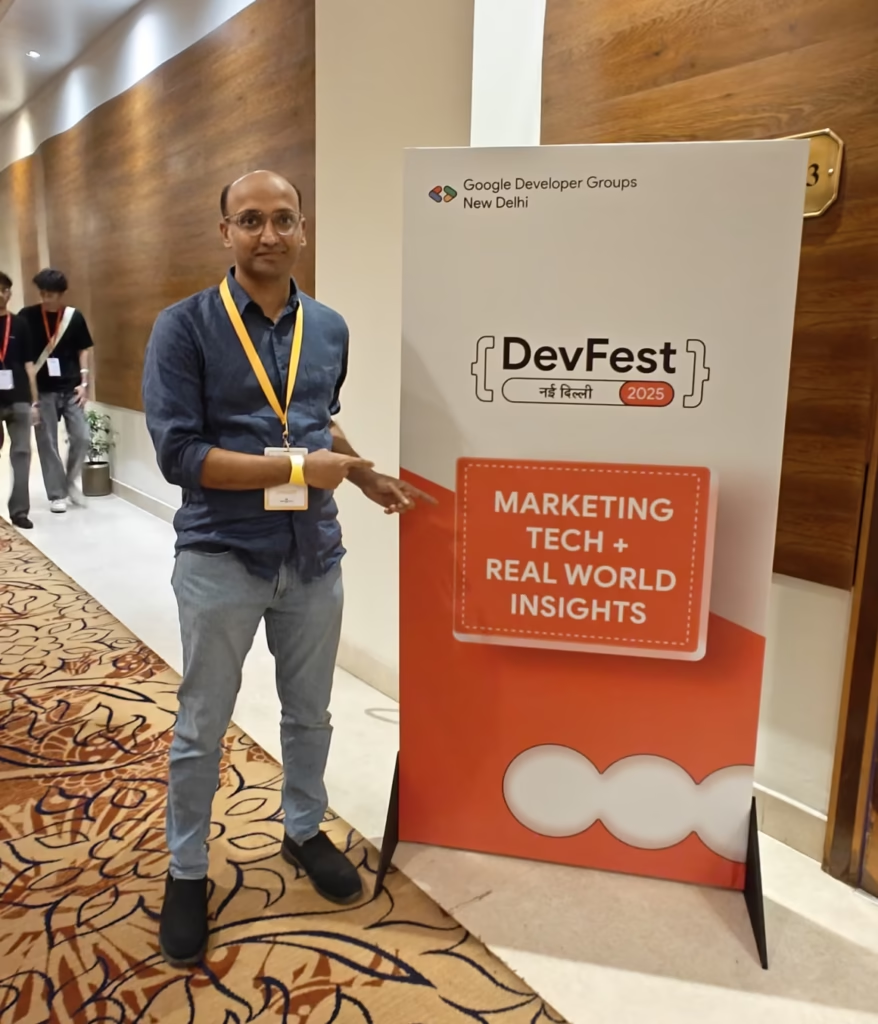
The Rise of Marketing at DevFest
DevFest has always been synonymous with code, tech, and innovation, but this year, something changed.
For the first time, marketing took center stage.
The new Marketing Track was a refreshing addition, recognizing how data, automation, and AI are now rewriting the rules of how brands connect with people.
It was incredible to see marketers and technologists in the same room, discussing how the two worlds are merging faster than ever.
Inside the Marketing Track: Talks That Stood Out
The Marketing Track featured three sessions, and each one added something unique.
- Amit opened with a powerful talk on “The Impact of AI in SEO.” He broke down how AI is changing search behavior, and why the next wave of SEO will be all about intent and intelligence.
- The second session focused on Product-Market Fit and Product Marketing, reminding everyone that knowing your customer deeply is still the most powerful marketing strategy.
- And then, it was my turn, to talk about how brands can drive omnichannel growth using Google’s data ecosystem.
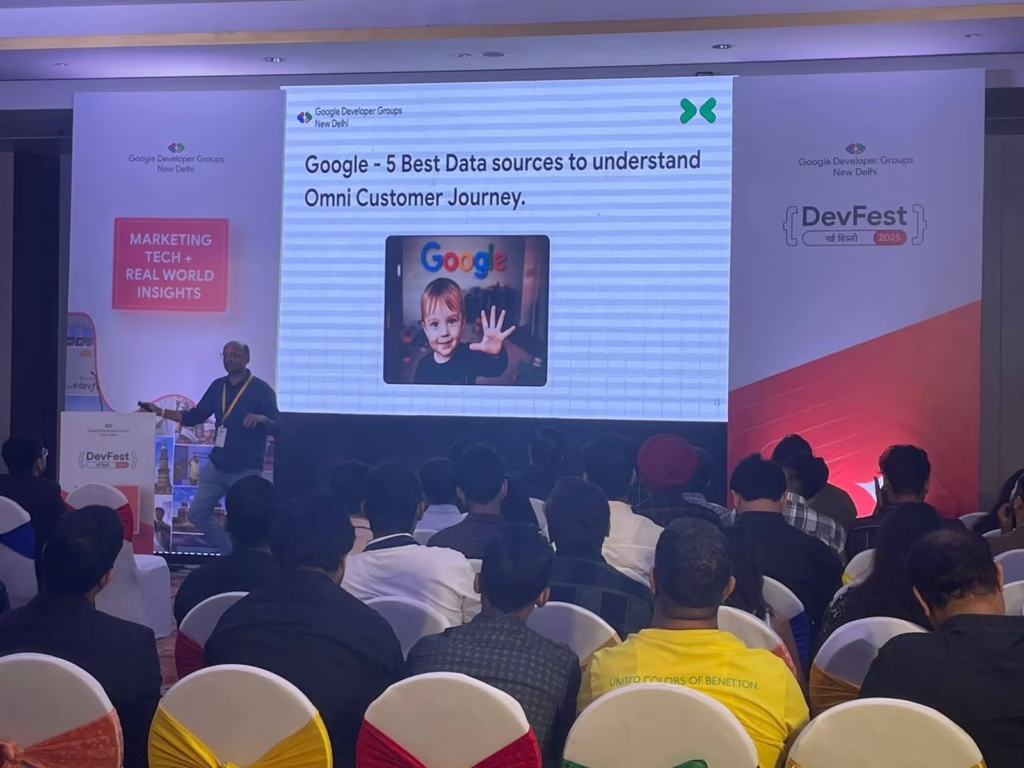
My Session: Driving Omnichannel Growth with Google’s Data Ecosystem
When we talk about omnichannel growth, most brands immediately think of ads, campaigns, or funnels. But the truth is, your customer’s journey is scattered across dozens of touchpoints, and most of it goes unseen.
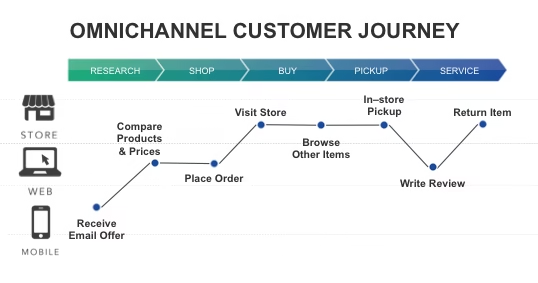
My session focused on how Google’s interconnected data ecosystem can help brands see that bigger picture, capturing up to 50% of customer interactions when connected intelligently.
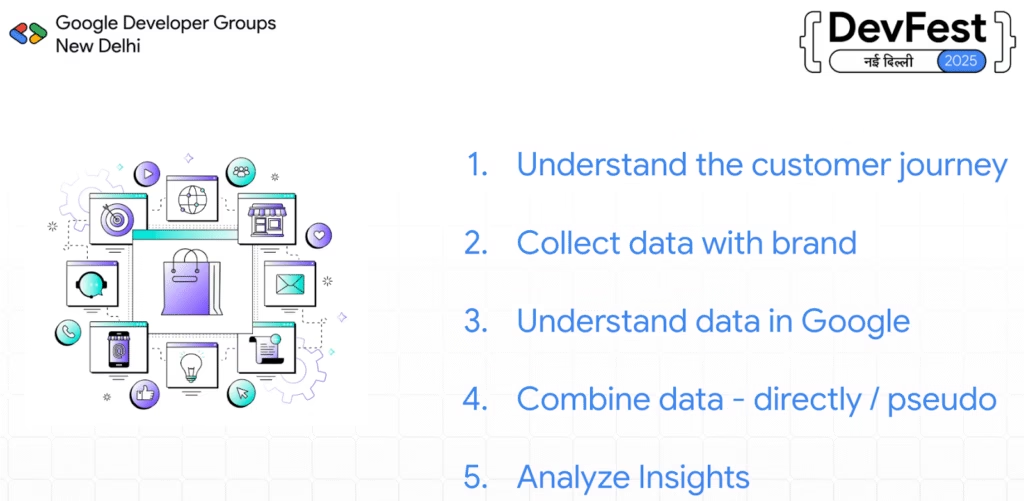
Here are the five key tools I spoke about, each unlocking a unique layer of customer insight:
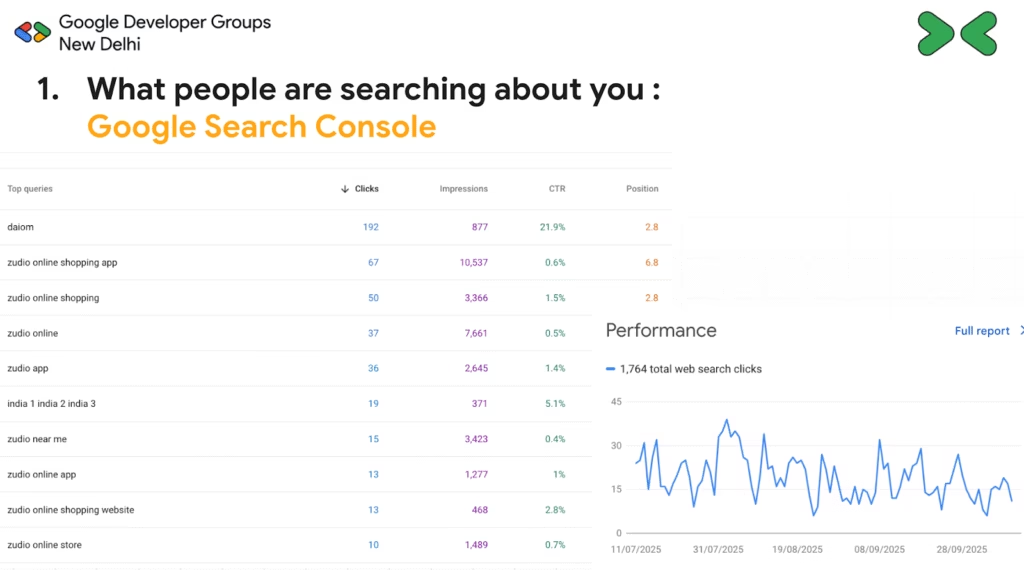
- Google Search Console – Understand what your customers are searching for and how they discover your brand.
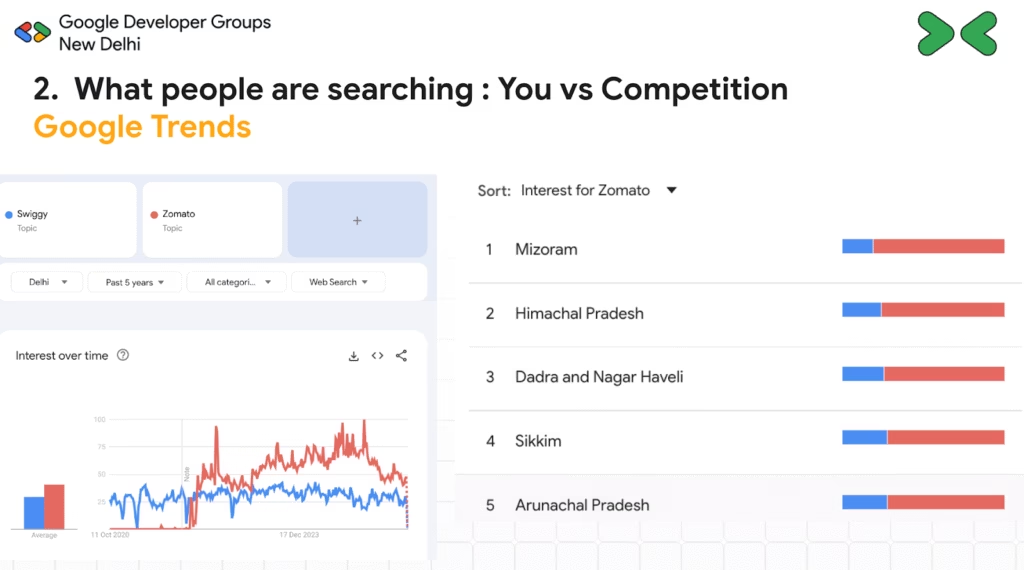
2. Google Trends – Spot what’s trending in your market and why it matters.
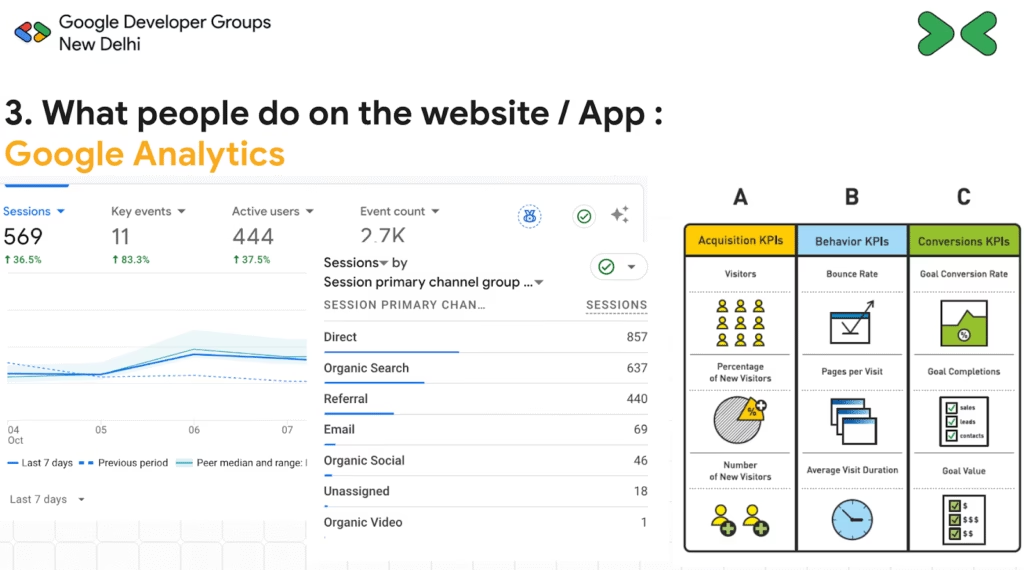
3. Google Analytics – Get deep insights into how users behave on your website and app.
4. YouTube Analytics – Measure engagement, watch patterns, and content impact.
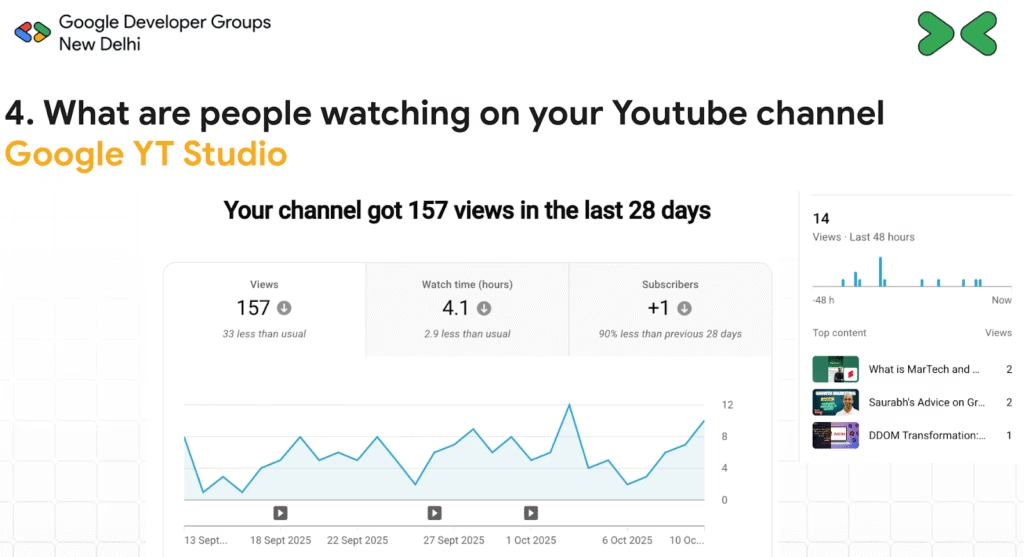
5. Google Maps / My Business – Track real-world actions like store visits, calls, and reviews.
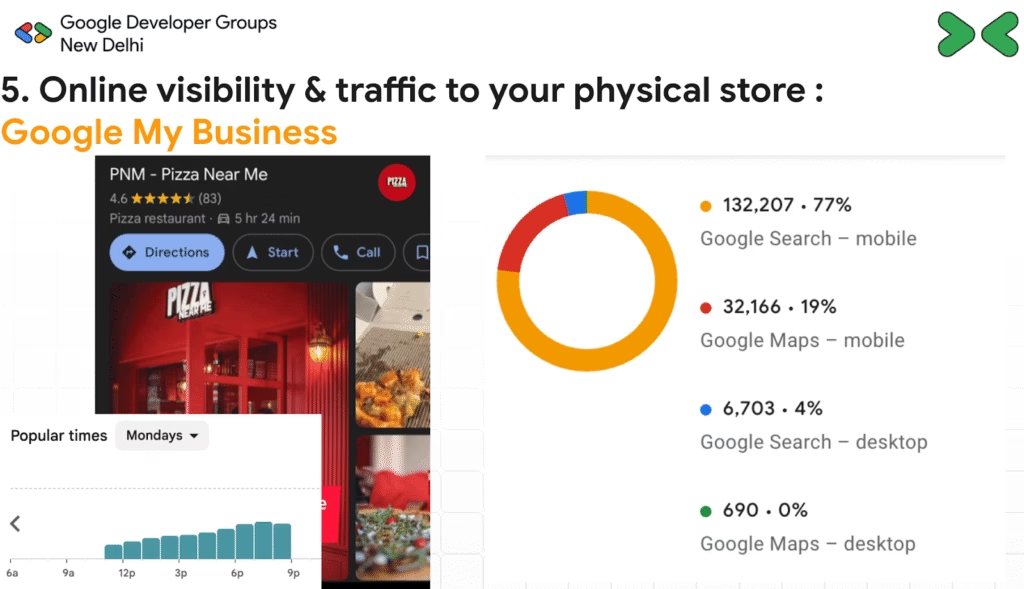
When these tools work together, you’re not just collecting data, you’re building a living, breathing map of customer behavior.
Key Takeaways for Marketers
Attending Google DevFest was an eye-opening experience that reminded me how marketing is evolving in the digital age.
With customer behavior becoming more fragmented than ever, brands need to connect the dots across channels, turning data into meaningful insights that drive smarter decisions and seamless experiences.
In my session, I explored how marketers can leverage Google’s rich ecosystem of tools to understand their audience, optimize campaigns, and truly grow omnichannel.
- Connect the dots. Don’t just use Google tools in silos, connect them to see your full customer story.
- Go beyond transactions. Measure what people search, watch, and visit, not just what they buy.
- Turn insights into action. Reports are great, but real growth comes when analytics drive better content, campaigns, and product experiences.
Final Thought
Walking out of DevFest that evening, I felt inspired, not just by the innovation, but by the curiosity in every conversation.
From students eager to learn about data to developers excited about marketing automation, the energy was real.
A huge thanks to the GDG Dwarka team for curating such a forward-thinking event and opening the door to marketers. The addition of a marketing track at DevFest wasn’t just new — it was necessary.
The future of marketing isn’t just digital — it’s data-driven and omnichannel.
As Google’s ecosystem continues to evolve, the brands that learn to connect these data points will lead the way, creating seamless, intelligent, and truly human experiences.