
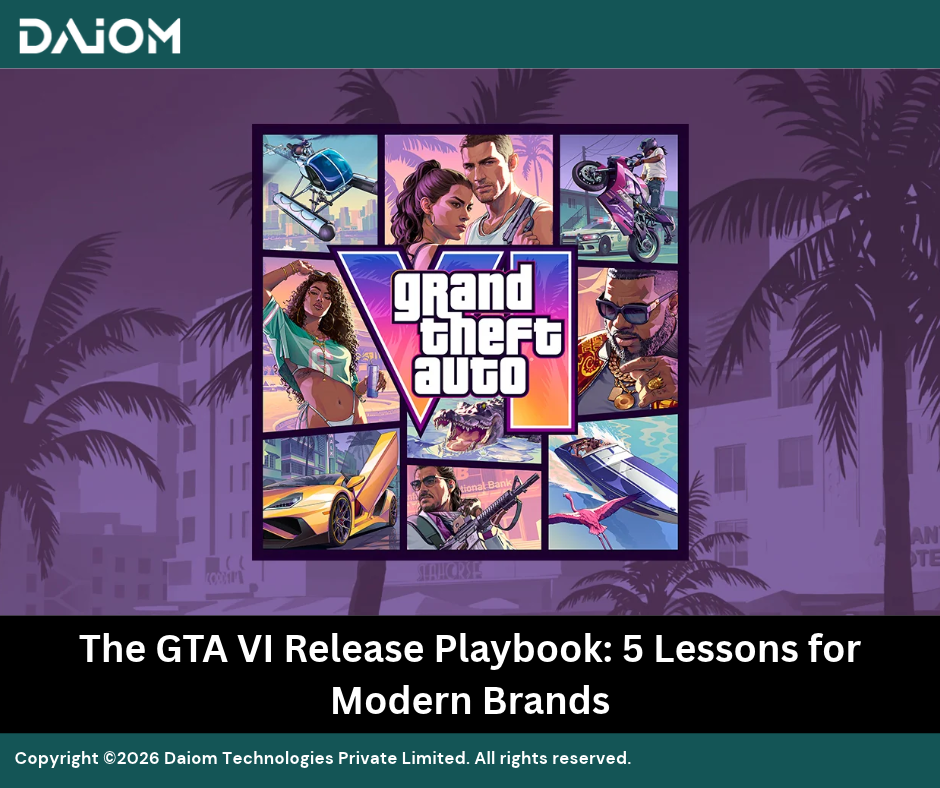



I’m not a gamer, but I couldn’t ignore GTA VI. It arrives on 19 November 2026, thirteen years after Grand Theft Auto V, and I keep thinking it’s one of the best marketing case studies I’ve seen in a while.
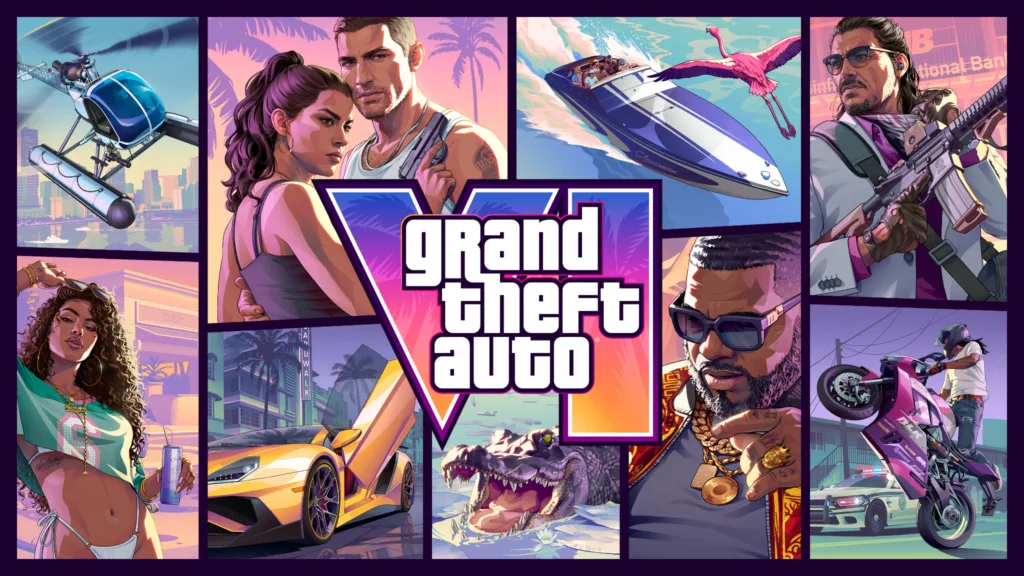
Rockstar (Rockstar Games is a video game publisher and studio group, best known for the developing of GTA) revealed it with a trailer in December 2023, followed by a second trailer in May 2025 and a sequence of official launch materials in 2026. That’s a very long runway, and it could easily have caused fatigue. Instead, the waiting became part of the product.
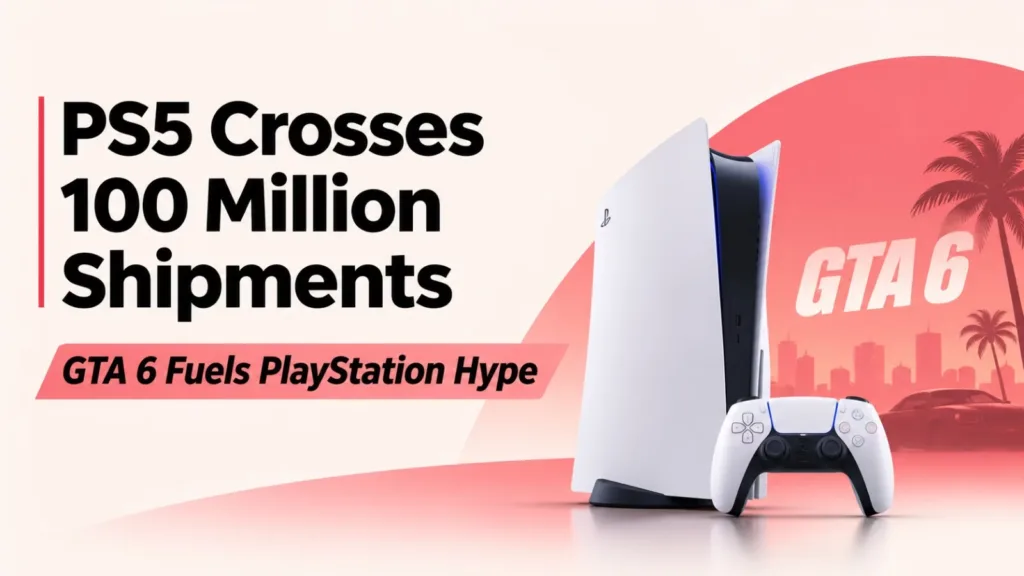
The hype has moved hardware too. In the US, PS5 unit sales jumped 22% in September as consumers prepared for the GTA VI debut, according to Circana. In the UK, one retail platform reported that daily searches for PS5s were up 50% in November compared with October.
That’s what interests me as a marketer. GTA VI built demand before it asked anyone to buy. And it did that through community, creators, culture and credibility, not by turning up the ad frequency.
Gaming is a mainstream attention economy now
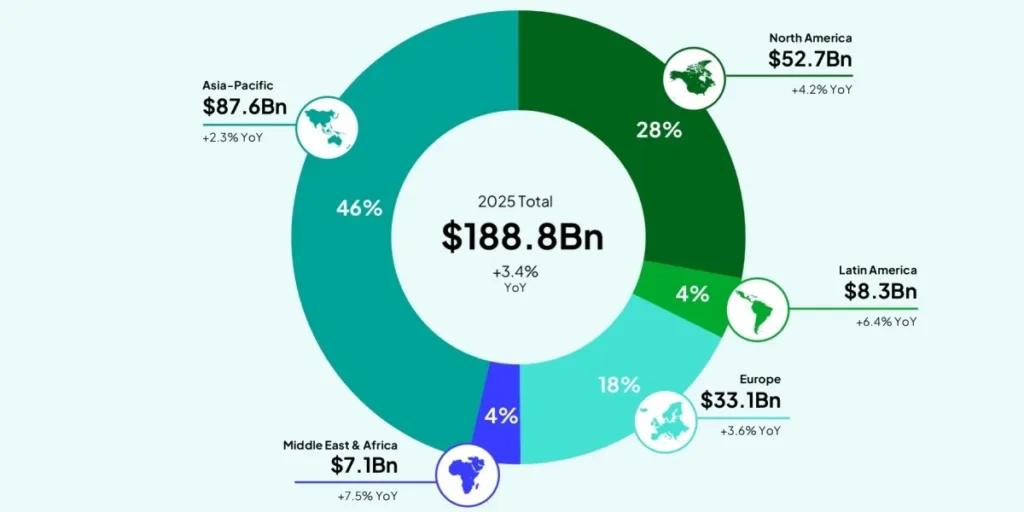
It helps to see the scale first. Newzoo estimates the global games market made $188.8 billion in 2025, with about 3.6 billion players. It expects the player base to approach 3.9 billion by 2028, and the market to reach $206.5 billion.
India is a big part of this. Lumikai’s 2025 report says India’s interactive-media economy should cross $30 billion by 2030, growing at 17% a year. It links that to cheap data, UPI-native payments and a generation that grew up interacting with screens, not just watching them.
That last point matters for us. Gaming audiences aren’t passive. They explore, compete, create, remix and stream, and they build identities around it. A game works as a product, a community, a media property and a social language all at once.
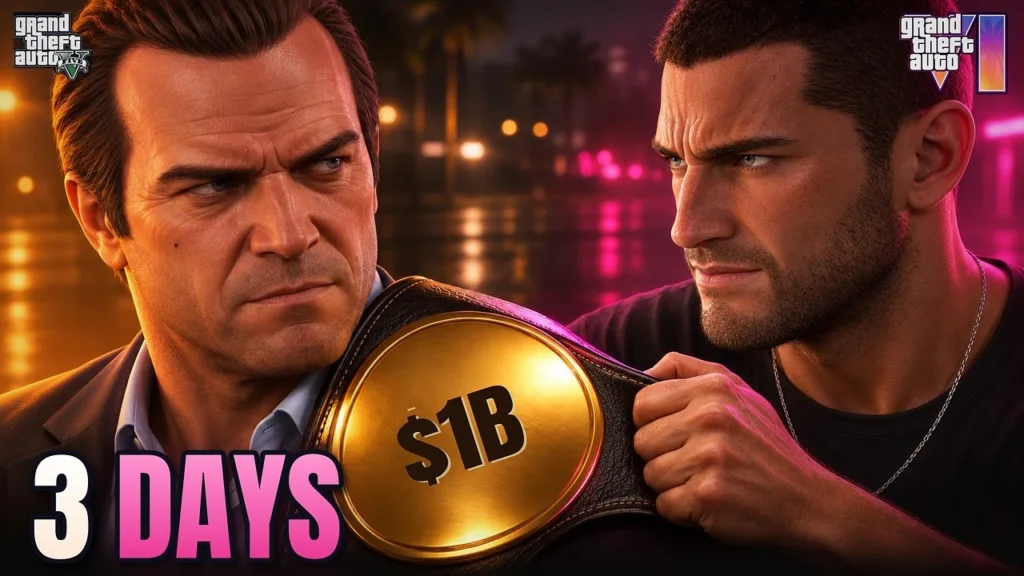
GTA has shown this before. GTA V made over $1 billion in retail sales in its first three days in 2013. In 2023, the first GTA VI trailer got more than 93 million views in 24 hours, a record for a non-music video debut on YouTube at that time.
Here are the five lessons I’d take from it.
1. Scarcity works when there’s substance behind it
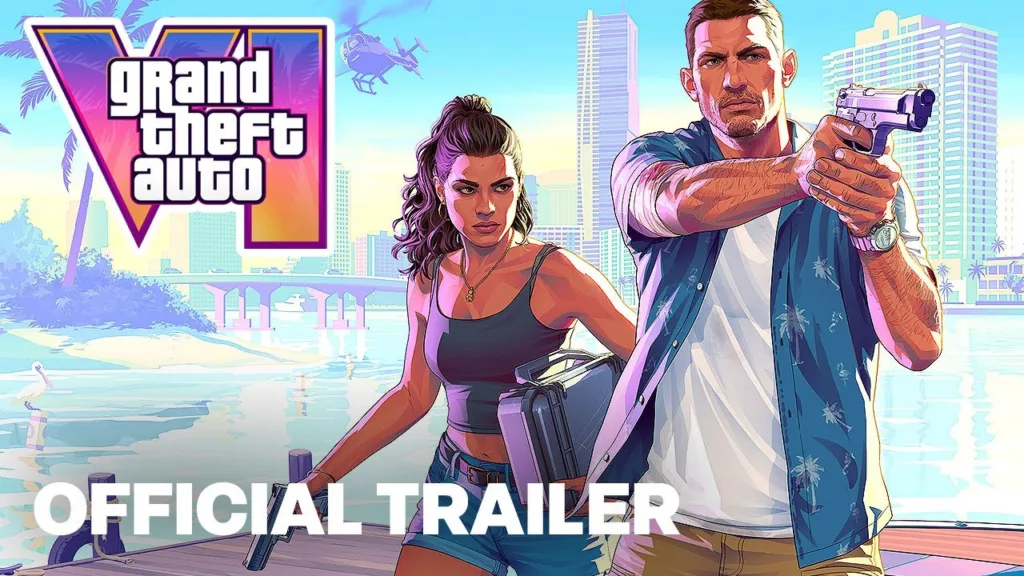
Rockstar didn’t flood us with daily updates. Each release felt like an event. The first trailer introduced Jason, Lucia, Vice City and the fictional state of Leonida, and the second added more story. The official site became the one place for trailers, launch information and pre-orders.
This only works because people believe something worth waiting for is being built. For brands, that means fewer communications, each with a stronger reason to pay attention, such as a reveal, a proof point or a behind-the-scenes detail.
- A D2C brand could reveal one design decision at a time.
- A B2B company could release a research finding or a customer outcome as a sequence.
Track returning visitors, waitlist growth, branded search, direct traffic and email engagement. Scarcity should improve the quality of attention, not just the impression count.
2. Give people a world to enter, not just a message
The trailers don’t read like normal product ads. They introduce a world, a tone, characters, music and conflict. Fans then debate the clues and details, and that debate extends the campaign.
A message tells people what to think. A world gives them something to talk about and use as part of their identity. Ask yourself what the audience can do with your brand idea after seeing the ad, whether that’s remix it, share it, compare it or tell their own story.
3. Design for creators, not only for media buyers
YouTube’s analysis shows GTA’s marketing didn’t stop at Rockstar’s videos. Creators built playthroughs, role-play stories, machinima and car meets around the game, which created a large layer of media the publisher didn’t have to produce.
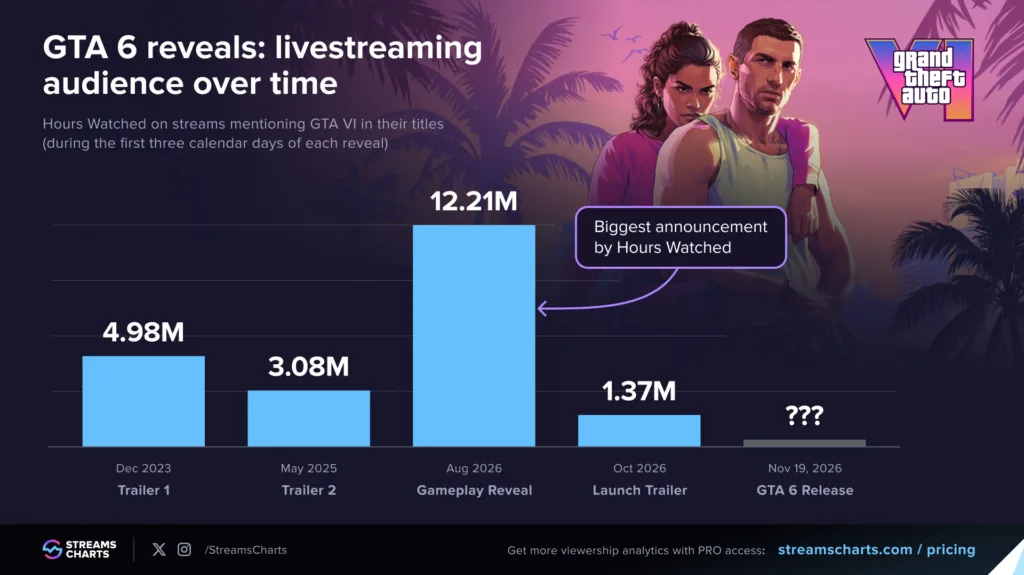
Creators aren’t only watching the game. They’re also earning from the conversation around it, and clipping is the clearest example.
Clipping works like this: a creator or brand hands over long-form footage, and independent clippers cut it into short vertical videos and post them on their own accounts, then get paid according to how many verified views their clips earn. Some campaigns pay between $1 and $4 per 1,000 views. At $2 per thousand, a clip that does 50,000 views pays $100.
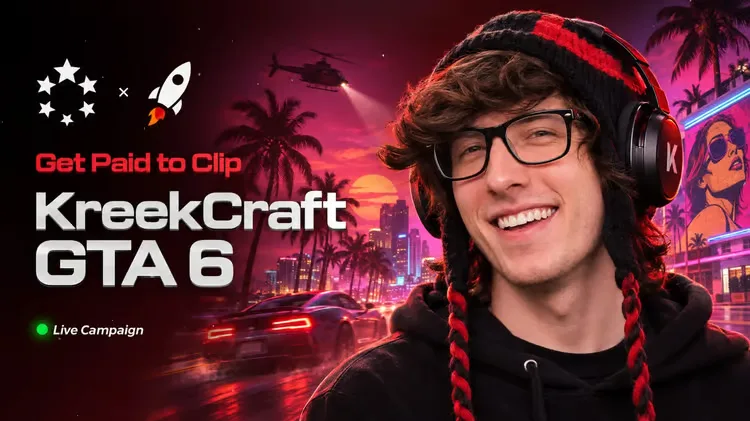
You can see the raw material for this in how Indian creators talked about GTA VI. On launch day, Ranveer Allahbadia posted that his team did a full nostalgia podcast with Mythpat on GTA, adding “13 years we waited for GTA 6”. A day later he asked where the Indian studio is, noting that one video game made close to 10 billion dollars and gave the city it was set in a tourism bump. Long conversations like these are exactly what clippers can cut into dozens of short videos, each pulling people back to the full episode.
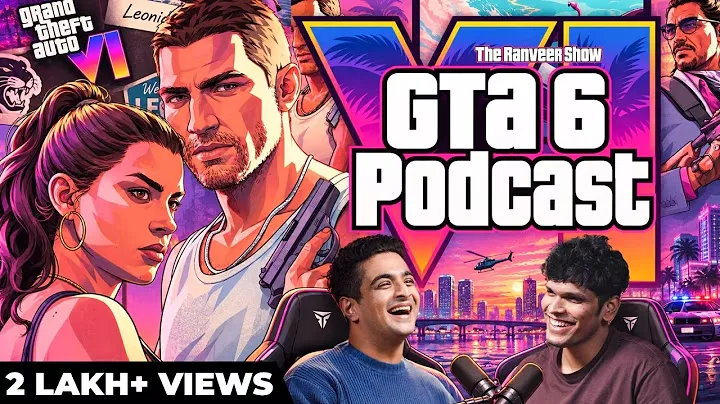
There’s a caveat. Critics point out that the people making money from clips tend to be the middlemen clippers, not the original creators. Paid clips are also advertising, so disclosure rules apply. For brands, the lesson is to make long-form content with clip-ready moments, and to decide upfront how clips will be credited, tracked and paid.
The lesson isn’t “send products to influencers and hope.” It’s to build products and campaigns that naturally produce stories. A food brand can offer recipes people adapt. A beauty brand can create a routine that invites before-and-after content. A software company can make templates and workflows easy to share. Give creators a strong experience and context, not a script to repeat.
4. Use culture carefully, and earn the right to use it
One unusual example is Narendra Modi’s GTA VI-related Instagram post on 19 November. He wrote “India is playing a whole new game!” and used the gap between GTA V and GTA VI as a frame for India’s progress. The carousel used GTA’s visual style and covered internet affordability, sanitation, solar capacity and space-tech startups.
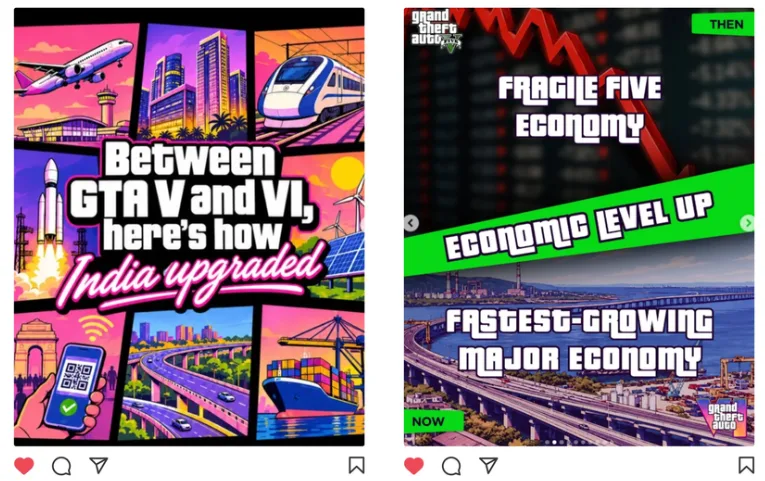
Whatever you think of politics, the communication choice is worth studying. A familiar reference can squeeze a complicated message into a format people understand instantly. It also shows that gaming culture now travels well beyond gaming.
But relevance can’t be manufactured by dropping a popular meme or logo into a campaign. Spot the cultural signal, understand what it means to people, and then earn the right to use it.
5. Make the launch a system, not a single day
GTA VI’s marketing ran as a sequence: announcement, trailers, release-date news, extended looks, pre-loading and launch. Each phase had a different job. The first reveal built awareness, the second deepened the story, the extended look reduced uncertainty, and pre-orders turned intent into readiness.
You can build a campaign the same way, in six stages: Signal, Reveal, Proof, Participation, Conversion and Continuation.
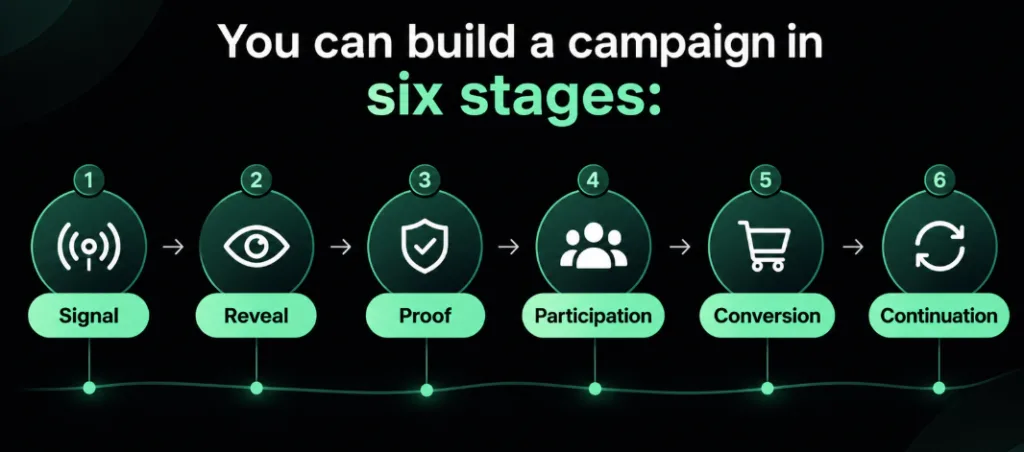
The numbers you watch should change at each stage. Early on, look at qualified attention and audience growth. During proof, look at engagement depth and demos. At launch, watch conversion, support load and sentiment. Afterwards, track retention, referrals and community contribution.
What I’d take away
GTA VI isn’t a formula to copy. It’s a reminder that modern marketing sits where product, culture, community, technology and timing meet. The better questions are whether people came back, interpreted it, shared it, and found that the product justified the promise.
Key takeaways
- For marketers: replace constant output with meaningful milestones, and measure each campaign stage differently.
- For founders: build something worth waiting for. Credibility comes from the product, and scarcity only works with substance behind it.
- For brand and content teams: give people a world and a point of view they can take part in, not just a message to read.
- For creator and community teams: design experiences that produce stories, and judge success by content that continues after paid support stops.
- For everyone: connect launch communication to the full customer journey. The goal isn’t more noise, but a managed system where every signal feels consequential.