



Many companies think through the process of launching a loyalty program, but it really starts with the right mental model and a simple 5-step framework.
If you’ve ever wondered why some loyalty programs feel like magic while others feel like a chore, you’re definitely not alone.
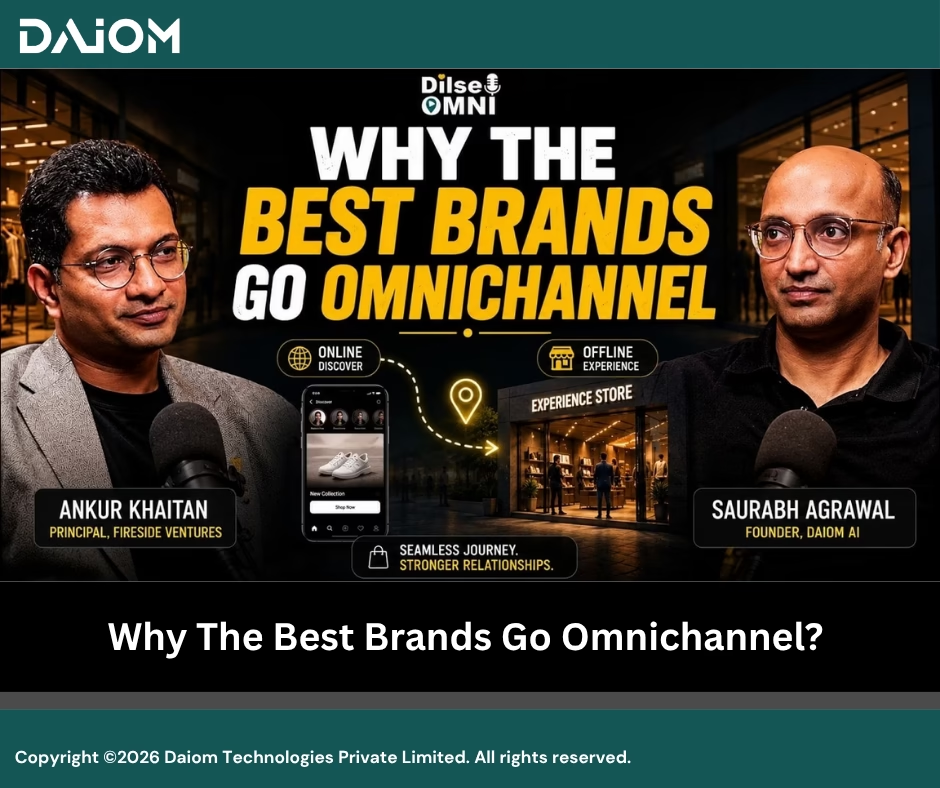
In the latest DilSe Omni Talks episode, Saurabh and Maha break down what truly makes a loyalty program work, and why even the biggest brands often get it wrong.
Whether you’re launching your first program or trying to fix one that isn’t delivering, this framework will help you cut through the noise and create something your customers actually value.
Why Loyalty Programs Matter?
Before diving into the “how,” let’s talk about the “why.”
The episode makes a powerful point that: “It’s not hard to bring customers in. The real game is making them come back, again and again.”
That’s where loyalty programs come in. A good loyalty program doesn’t just reward purchases, it builds relationships. It makes customers feel like they belong, not just like they’re being bribed with discounts.
But most loyalty programs fail because they’re built backwards. Brands jump into rewards and points without understanding their customers, their data, or what actually drives repeat behavior.
That’s why this 5-step framework is so important.
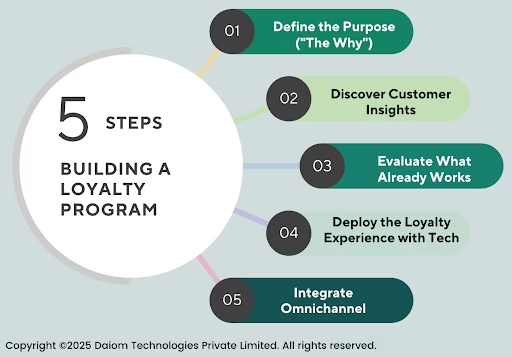
The 5-Step Framework for Building a Loyalty Program
Step 1: Start with the “Why”: Define The Purpose
Every loyalty program starts with one fundamental question: Why are we doing this?
Are you trying to increase repeat purchases? Build long-term relationships? Compete with a rival brand? Your “why” shapes everything that follows.
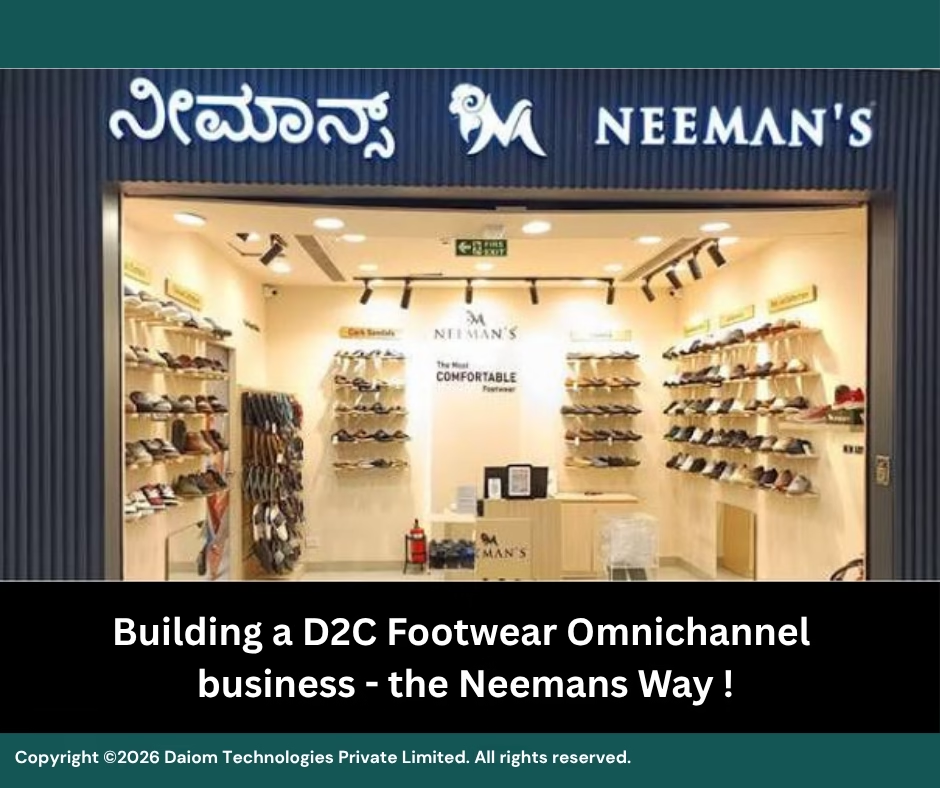
For example, in footwear, repeat purchases happen maybe once a year, unlike apparel where customers might return every two months.
So the loyalty program can’t just be about frequent buying, it has to be about staying top-of-mind, offering value through content, early access, and community engagement, not just discounts.
Note: Your loyalty program must fit your business model and customer behavior. Don’t copy what works for Starbucks if you’re selling mattresses.
Step 2: Discovery: Look at the Data and Behavior
This is where most brands skip ahead and make costly mistakes. Before designing rewards, you need to deeply understand who your valuable customers are and what drives their behavior.
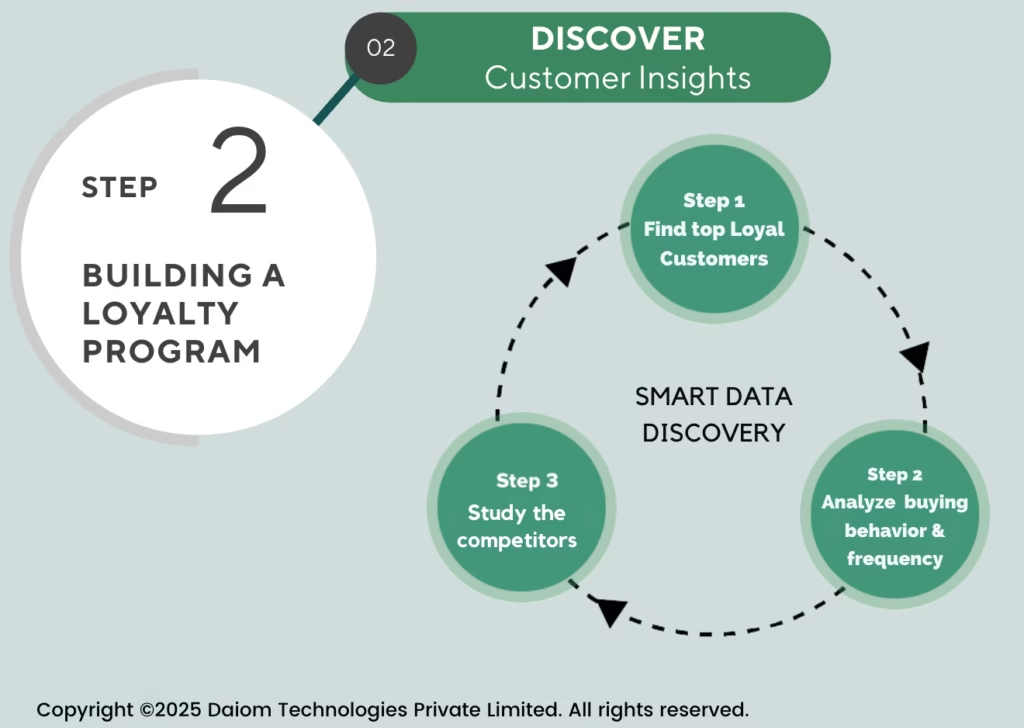
Maha emphasizes looking at:
- Store visits: Who’s coming back multiple times, even if they’re not buying every time?
- Purchase frequency: How often do they buy, and what triggers a repeat purchase?
- Valuable customer profiles: It’s not always your highest spenders. Sometimes your most valuable customers are those who buy regularly, refer friends, or engage with your brand on social media.
Competitor analysis is also crucial.
What are brands in your space doing? What’s working for them, and where are they falling short? Don’t reinvent the wheel, learn from what’s already out there.
Talk to your customers. Maha mentions how critical it is to pick up the phone and ask people why they returned, or why they didn’t. That insight is gold.
Step 3: Evaluate What Already Exists: Test with Your Top Customers
Before rolling out a loyalty program to thousands of people, start small. Maha recommends looking at your top 20 customers and understanding what already makes them loyal.
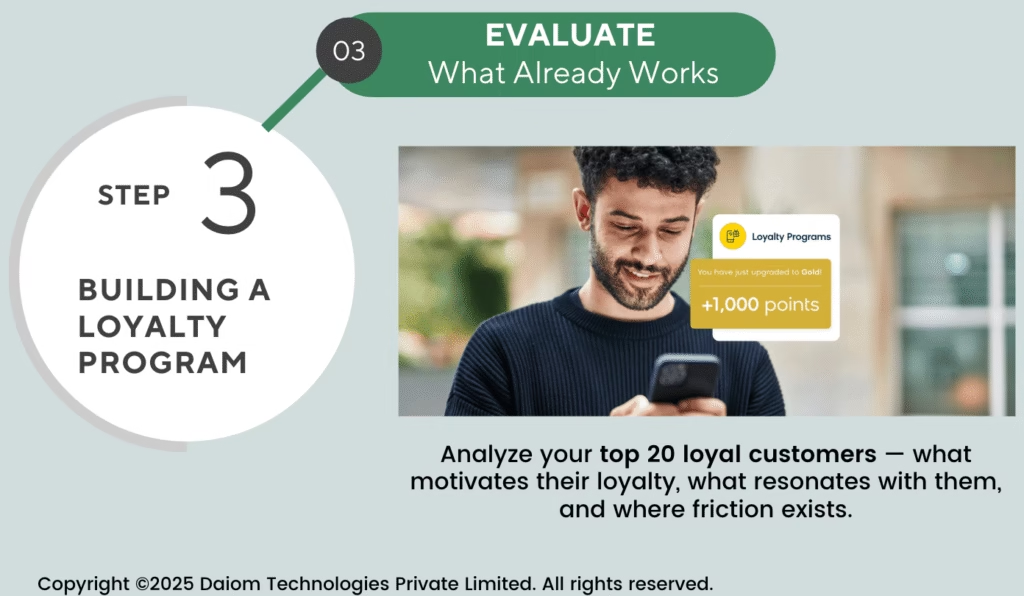
Are they coming back because of product quality? Customer service? Exclusive access? Price?
Once you understand what’s keeping them engaged, you can design a program that reinforces those behaviors and scales them to more customers.
This step is about validating your assumptions. If your top customers don’t care about points, then building a points-based system won’t work. Maybe they value early access to new products, personalized recommendations, or VIP customer experience instead.
Loyalty isn’t one-size-fits-all. Build around what your best customers already love.
Step 4: Design & Deploy: Build the Program Around Real Value
Now comes the fun part: designing the actual loyalty program. But here’s the critical rule Maha stresses: Don’t just offer discounts. Offer belonging.
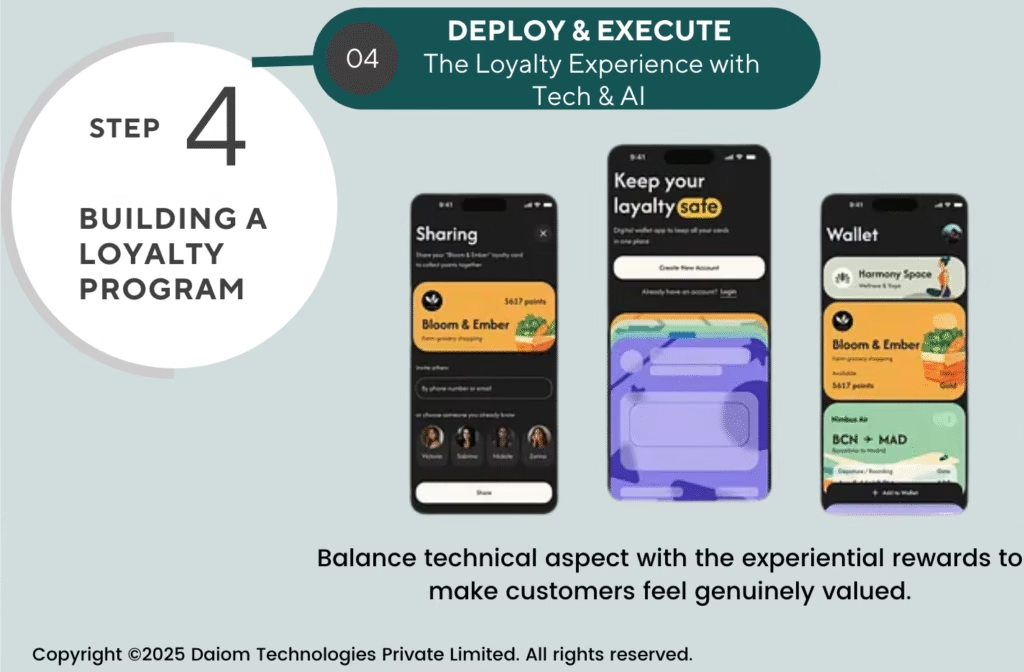
A great loyalty program layers multiple types of value:
- Transactional rewards: Points, cashback, discounts, but used sparingly.
- Experiential rewards: Early access, exclusive events, behind-the-scenes content.
- Emotional rewards: Recognition, community, personalized experiences.
In our earlier Podcast, Ganesh mentions PickYourTrail, a travel company he’s been loyal to for over many years. Their communications rarely mention sales. Instead, they share travel stories, insider tips, and destination inspiration. That’s what keeps him engaged, not 10% off codes.
Design checklist:
- Make it easy to understand: Customers should immediately know what they get.
- Make it easy to use: Points should be redeemable without hoops to jump through.
- Make it feel special: Loyalty members should feel like VIPs, not just discount hunters.
Step 5: Integrate: Digitalize and Scale
Once your loyalty program is designed, execution and integration is everything. Saurabh & Maha talk about how omnichannel integration is key, your loyalty program should work seamlessly online, in-store, on marketplaces, and even on quick commerce platforms.
Digitalization makes this possible:
- Use a single loyalty wallet that customers can access whether they shop on your website, in your store, or on Amazon.
- Automate nudges and reminders: “You have 500 points expiring soon, use them now!”
- Track engagement metrics: Are people joining the program? Are they redeeming rewards? Are they coming back more often?
The episode also stresses the importance of community building. The best loyalty programs create closed groups of top customers who get exclusive access, personalized attention, and early previews. That sense of belonging is what drives long-term retention.
Start with your own channels (website, app, stores), then move to marketplaces once everything’s running smoothly.
The Biggest Mistakes Brands Make with Loyalty Programs
Even big, established brands mess this up. Maha and Saurabh discuss two common mistakes that kill loyalty programs, often seen with companies with Group Loyalty Programs.
Mistake 1: Treating Loyalty as Separate from the Business
Too often, loyalty programs are built as standalone initiatives, managed by a separate team, disconnected from the core business strategy. This leads to programs that feel forced, irrelevant, or misaligned with what the brand actually stands for.
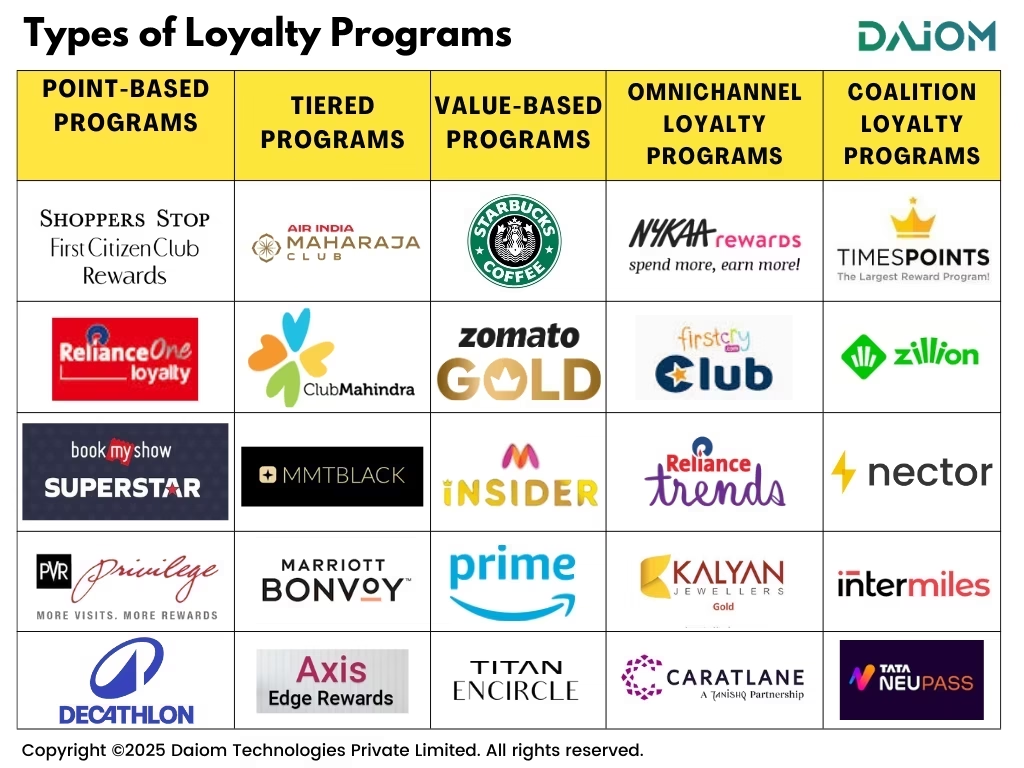
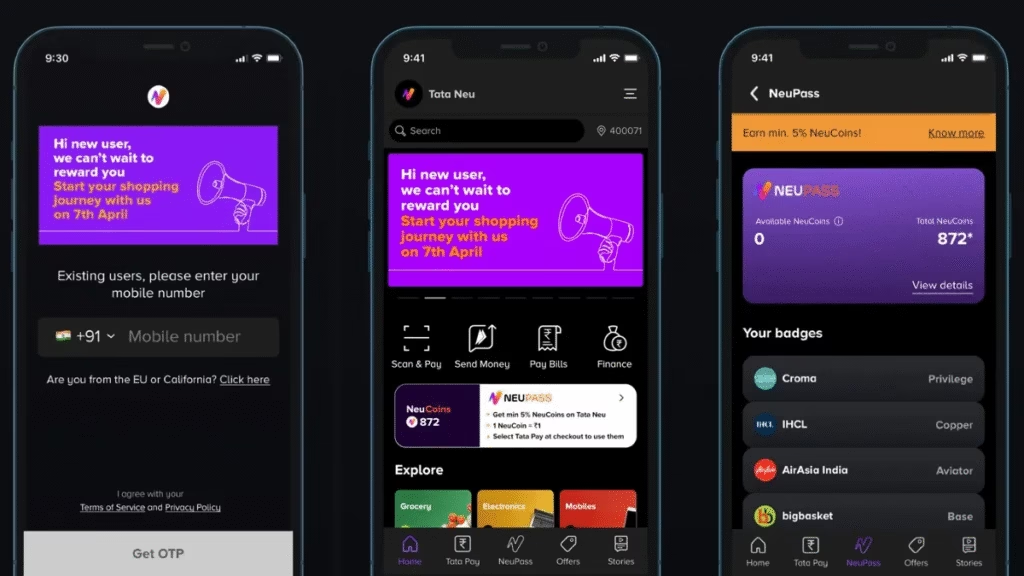
Example: Tata NeuPass
The idea behind Tata NeuPass was exciting, unite multiple Tata brands like Croma, Westside, and Titan under one points-based rewards program. However, it failed because the experience was fragmented for customers:
- You might earn points buying jewellery at a Tata-owned store but only be able to redeem those points at an electronics retailer.
- Customers didn’t see a logical, valuable connection between the rewards and where they could use them.
Customers want a loyalty experience that feels natural and adds value across their shopping journey, not one that feels forced or confusing.
Mistake 2: Customers Don’t Understand “What Am I Getting?”
Another big pitfall is customers joining a rewards program, then quickly losing interest because it’s too complicated, or because the rewards just don’t feel worthwhile or they have no idea what they’re actually getting out of it.
Example: GAP
GAP’s program allowed shoppers to earn points, but:
- The process for redeeming points wasn’t obvious.
- Rewards sounded generic, and customers didn’t feel emotionally connected to the brand through the program.
- Too many joined only to realize collecting points was slow, confusing, or didn’t lead to meaningful perks.
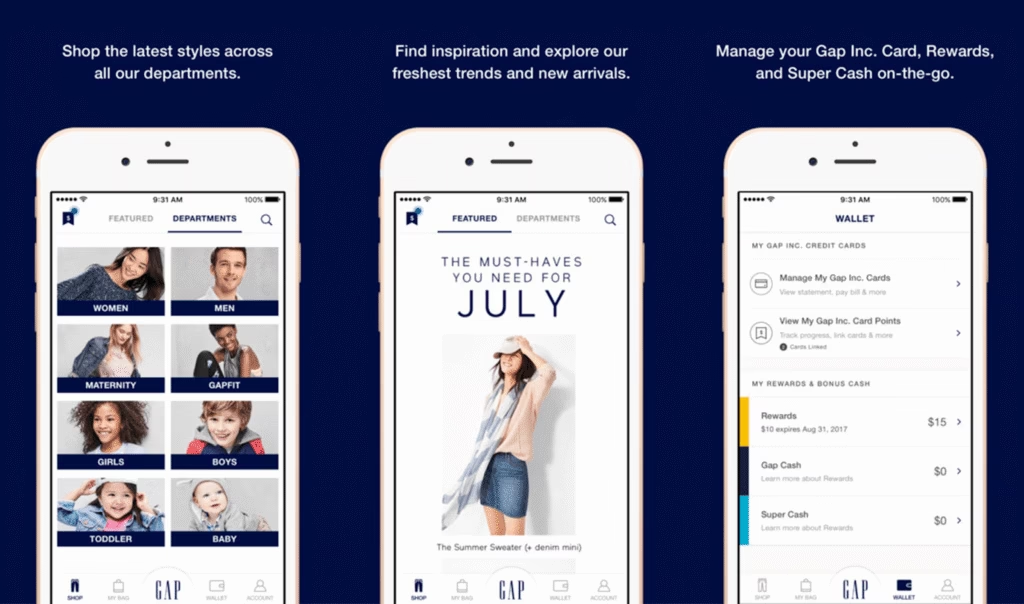
Customers need to instantly see what they get and how to get it. When loyalty feels foggy or underwhelming, shoppers disengage.
“Retention isn’t about discounts. It’s about belonging.” If your loyalty program is just a discount machine, it won’t create loyalty, it’ll create discount-seekers who leave the moment a competitor offers a better deal.
Make the value crystal clear from day one. Show customers exactly what they get, how to earn rewards, and why being part of your program makes them special. Use simple language, clear visuals, and real examples.
Final Takeaways
At the heart of Maha and Saurabh’s conversation is a simple truth:
loyalty programs work when they build relationships, not just transactions.
The 5-step framework: Why, Discovery, Examination, Design, Execution..ensures you’re building something meaningful, not just copying what everyone else is doing.
And the two big mistakes: treating loyalty as separate from the business and failing to communicate value..are easy to avoid if you stay customer-focused.
Whether you’re a founder, marketer, or growth leader, the lesson is clear: invest in understanding your customers deeply, design experiences that make them feel valued, and execute seamlessly across every touchpoint.
That’s how you build loyalty that lasts.