
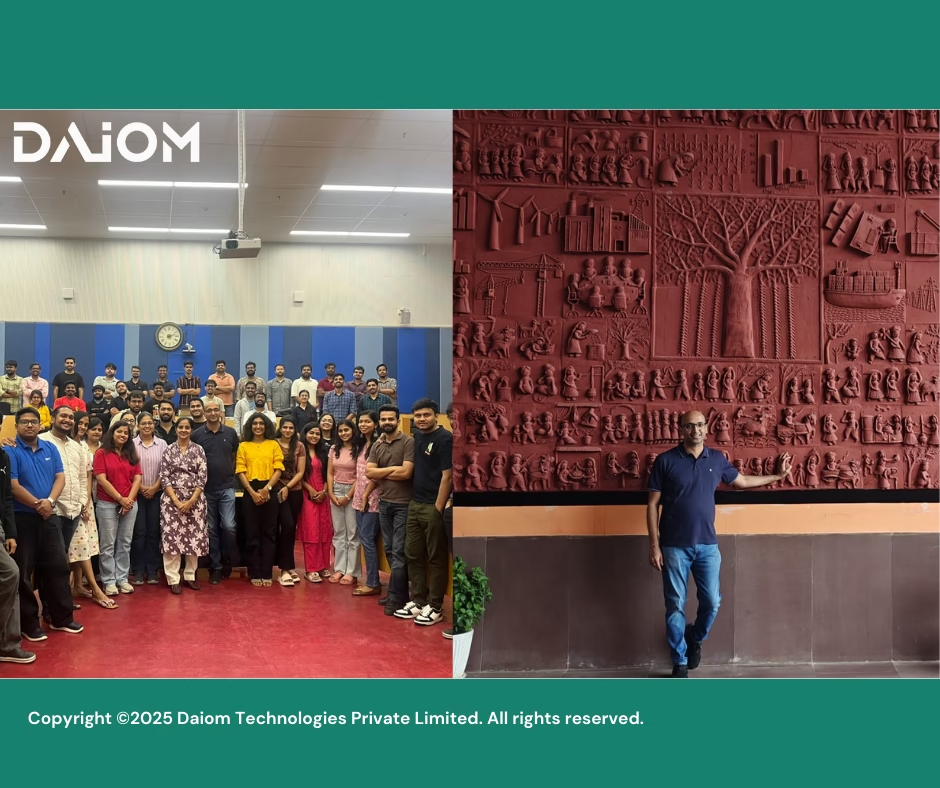



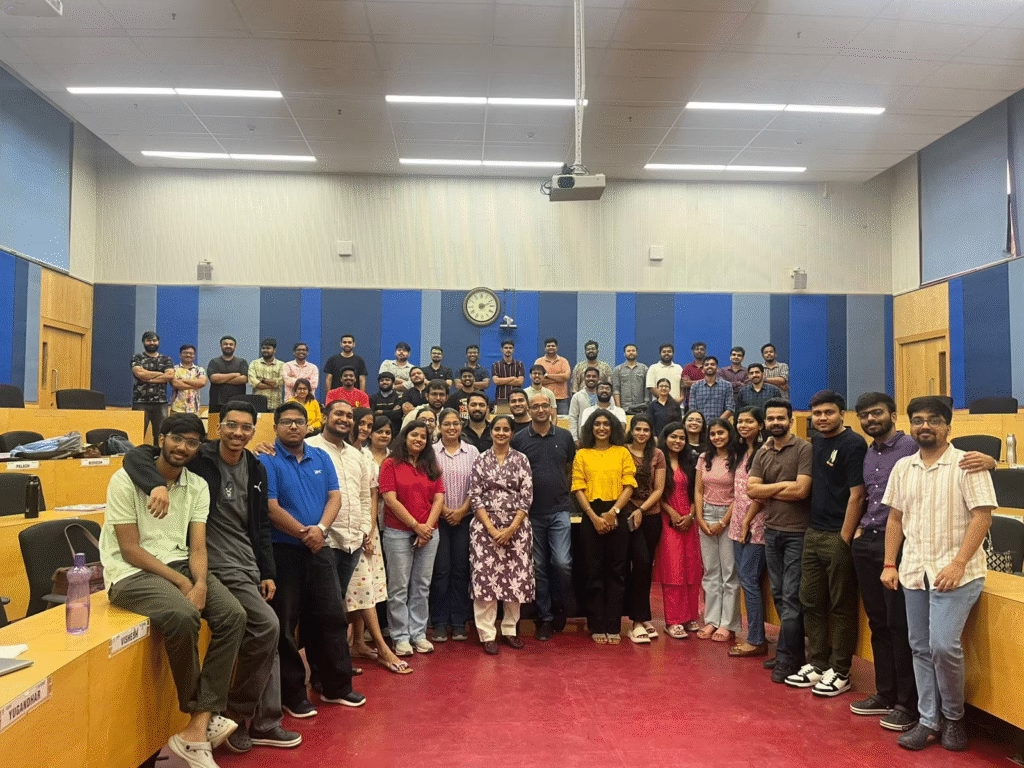
This week, I had the privilege of being invited by Malthi SS, a renowned global product leader and CEO of SparkProd, to speak to the students of IIM Udaipur.
Malthi teaches product management at the institute and also hosts the popular Product Talk with Malthi podcast.

The session was focused on two powerful themes that are shaping the future of product management:
- Why omni-channel is customer-first, not just online + offline
- How product analytics drives real growth decisions
- Mistakes brands make when chasing scale without data
- Building a personal brand matters even for students today
The class brought together bright and curious minds who were eager to explore how companies today are blending product, marketing, and technology to deliver seamless customer experiences.
What struck me most was the energy of the students. Many of them had already listened to our podcast and came prepared with questions that showed both depth and passion.
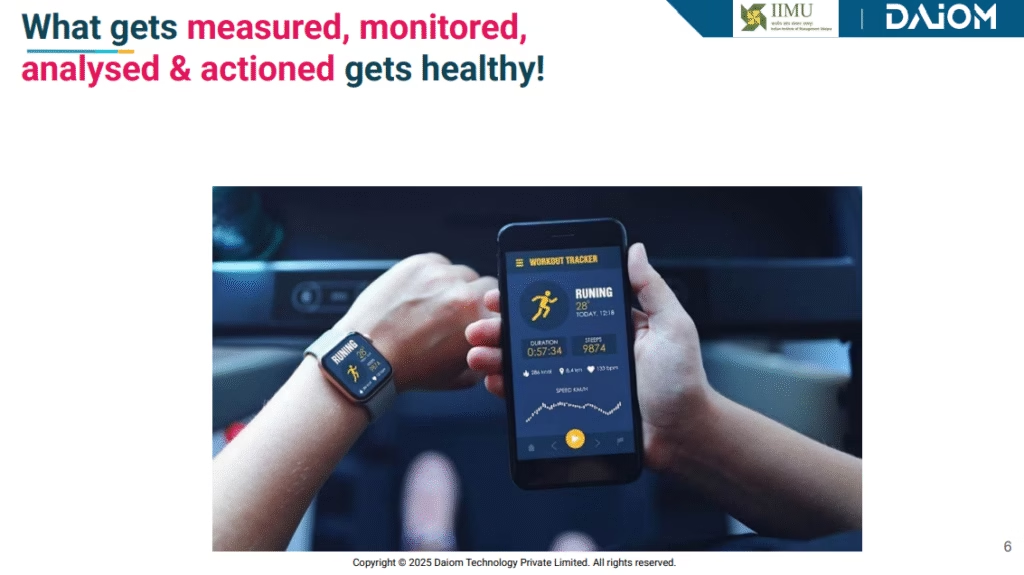
One of the most engaging discussions revolved around smartwatches. Students debated: What is the right metric to measure health?

While many KPIs came up — from steps to calorie count — we concluded that the resting heart rate is one of the most reliable health metrics. It was inspiring to see the passion with which the students engaged in these analytical conversations, connecting metrics to real-world product decisions.
I highlighted that this discussion was not just about fitness trackers but about a deeper principle of product analytics: finding the right metric that reflects true value. The students connected it back to how businesses often track vanity metrics, while the real growth comes from focusing on the North Star Metric.

It was inspiring to see the passion with which the students engaged in these analytical conversations, connecting metrics to real-world product decisions.
Why is omni-channel customer-first, not just online + offline?
From e-commerce to retail, from healthcare to fintech, industries are moving beyond the old “online vs offline” debate. Omnichannel today means creating a seamless experience across product, sales, marketing, and service.
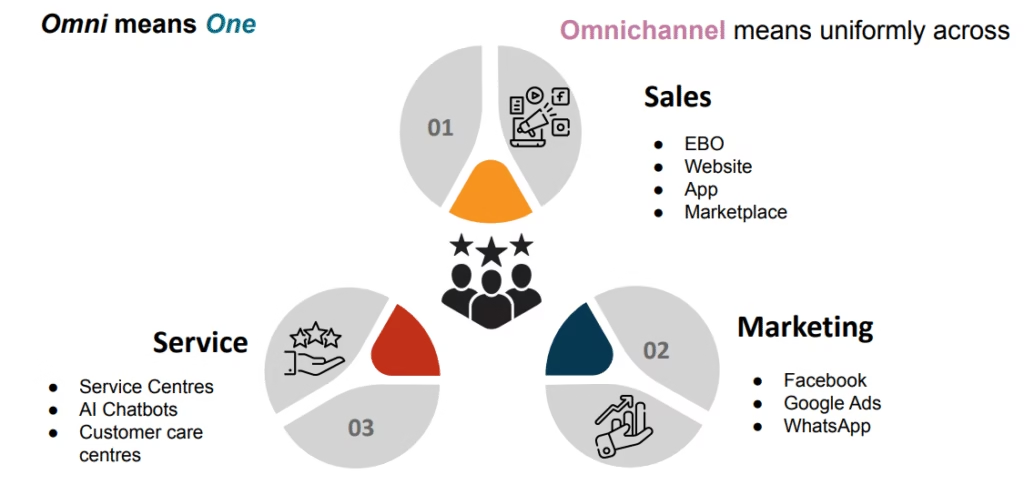
We discussed how brands like Lenskart, Decathlon, and Mamaearth have scaled by building strong omnichannel journeys — combining discovery, trust, and convenience across digital and physical touchpoints.
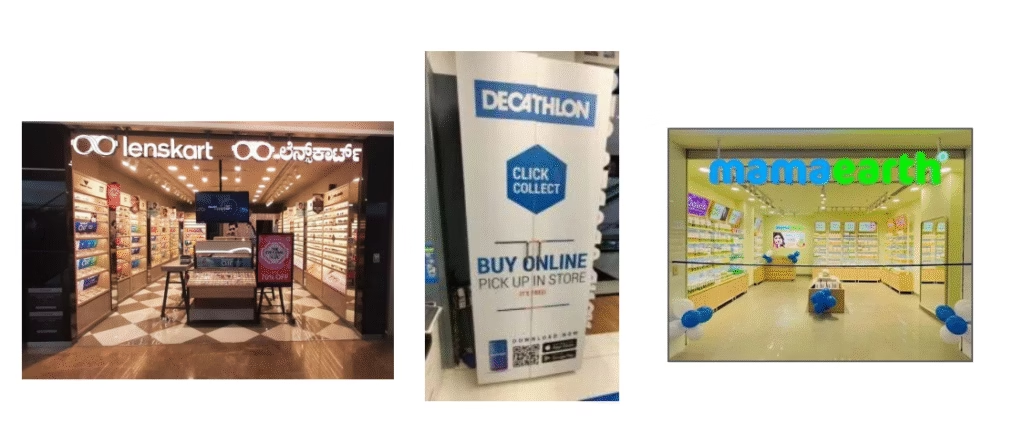
The students were quick to connect these insights to their own learning, with sharp observations on how customer journeys are changing in India’s phygital economy.
How product analytics drive real growth decisions?
As I shared during the session — “What gets measured, monitored, analysed, and actioned gets healthy.” This applies not just to health, but also to products.
Product analytics today goes far beyond dashboards.
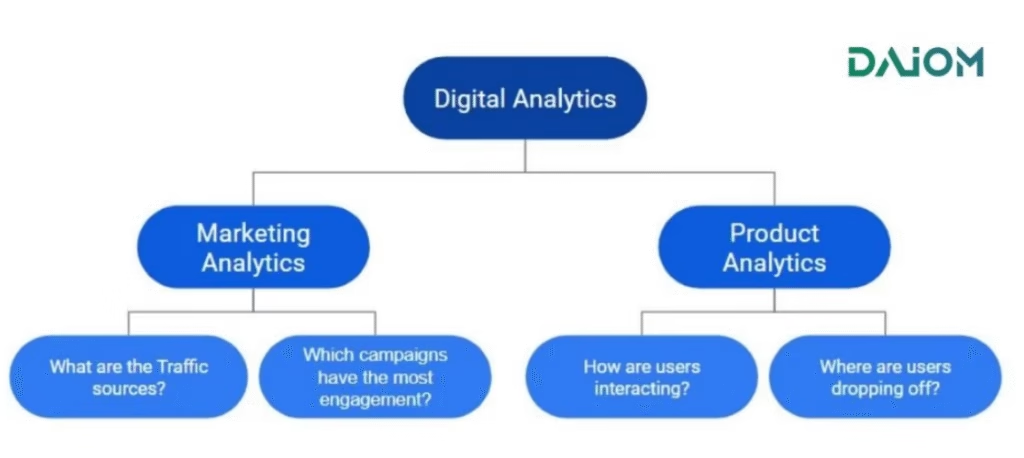
It helps product managers and teams:
- Engage users by mapping their journeys
- Identify friction points and improve experience
- Increase repeat usage and customer retention
- Focus on the North Star Metric that defines real value
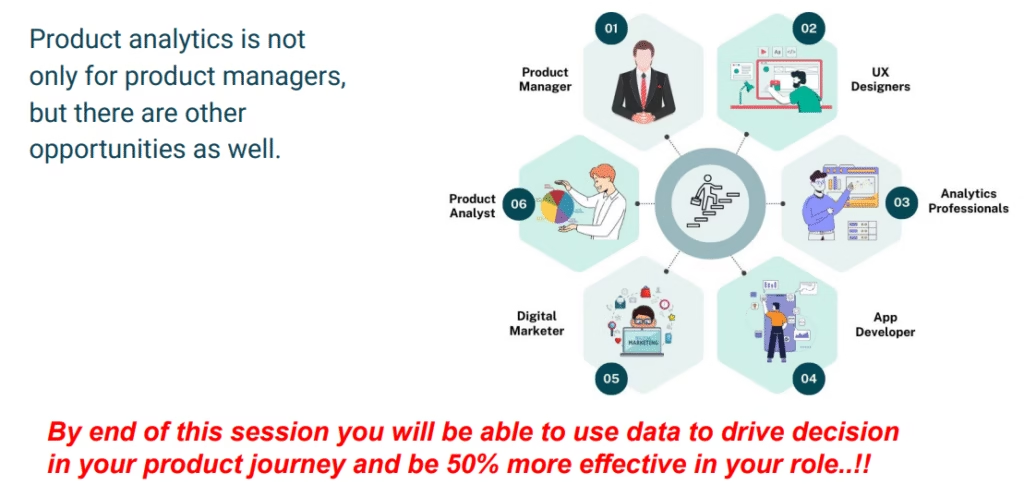
Students resonated strongly with the idea that product analytics is not just a career but a critical skill for anyone in product, strategy, or marketing.
Mistakes Brands Make When Chasing Scale Without Data
In our session, we also spoke about the challenges brands fall into when they try to scale without grounding decisions in data. Many of these came straight from real-world examples:
- Not understanding omni-product journeys: Too often, brands treat online and offline as separate tracks instead of a unified customer journey. This creates silos and a broken experience.
- Only measuring, not improving: Dashboards are full of numbers, but unless insights are analysed and acted on, nothing changes. As we discussed: what gets measured but not actioned, doesn’t get healthy.
- Chasing vanity growth: Teams obsess over app installs, clicks, or signups — but those don’t always reflect true customer value. Without a North Star Metric, brands risk scaling noise instead of impact.
- Ignoring compounding effects: Many companies underestimate the power of small, consistent improvements. Just as interest compounds, data-led decisions compound into exponential growth over time.
Wrapping Up
The session was a reminder of how hungry young minds are to learn and question. The discussions on omnichannel, KPIs, and product success metrics left me equally inspired.
My biggest takeaway is that the next generation of product leaders is not just thinking about building features — they are thinking about building impact.