

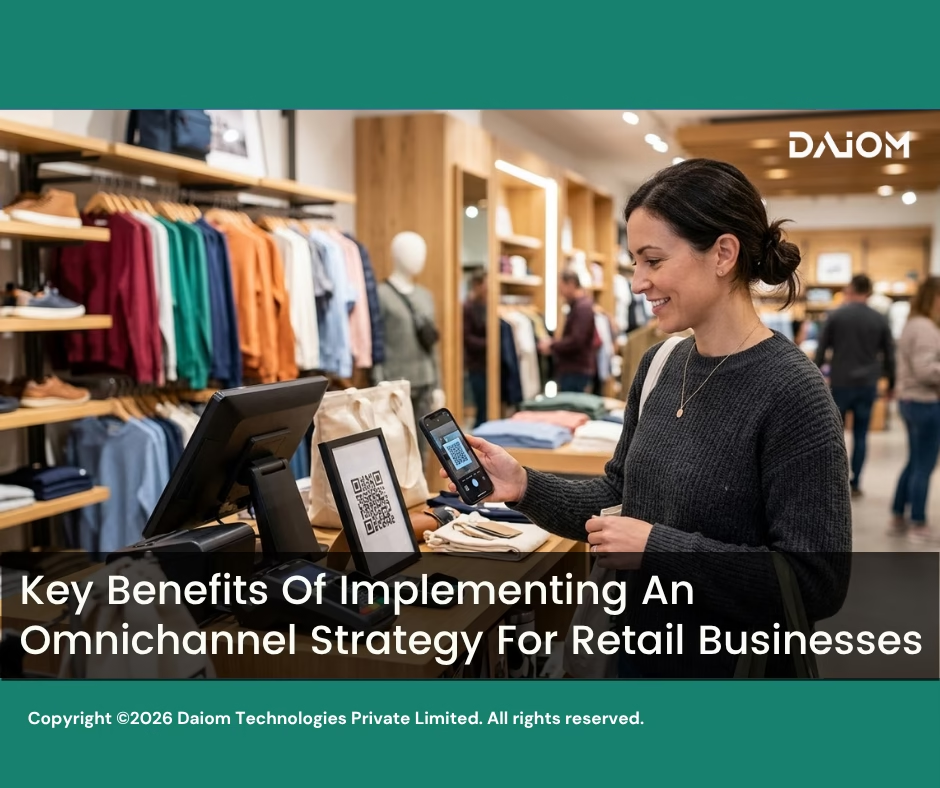
Retail without omnichannel today is like running a store where the customer walks in, but you have no idea who they are, what they browsed earlier, or what they were looking for just a few minutes ago online.
Consumers no longer move through a single, predictable buying journey.
Instead, they jump across platforms, devices, and physical stores before making a purchase. When these touchpoints are disconnected, brands lose context, personalization, and ultimately, sales.
I often notice this shift in my own shopping habits.
Sometimes I see a product on Instagram, research it on Google, check reviews on Amazon, and finally visit a nearby store before deciding to buy.
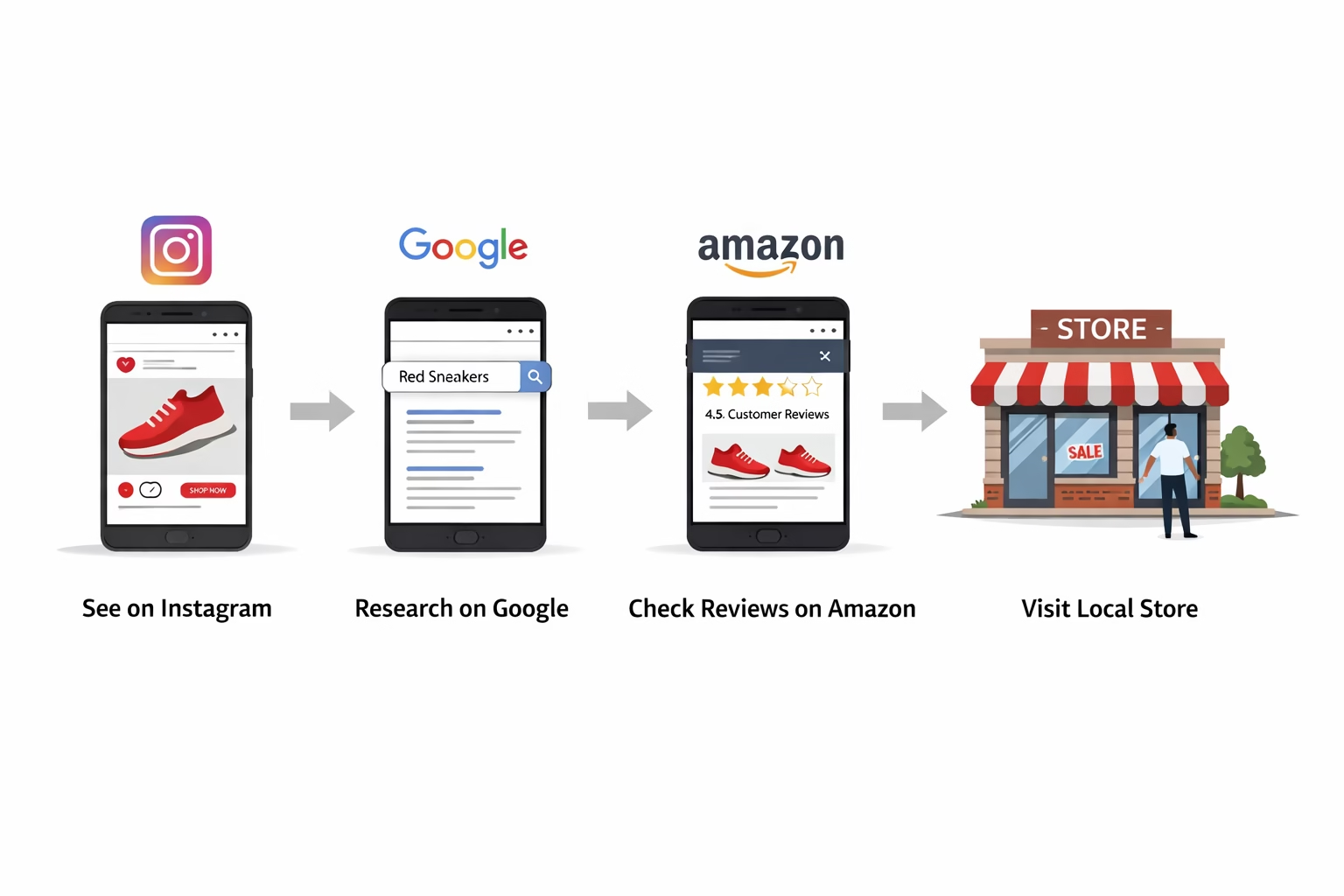
What’s fascinating is that this is no longer unusual behavior.
Today, about 73% of retail shoppers interact with multiple channels before making a purchase, often using around 6 touchpoints during the journey. This behavior has blurred the boundaries between online and offline retail.
In fact, the future of retail will not be divided into “online” and “offline” businesses anymore. Those lines are already fading.
Read more – Offline Vs Online: No More A Choice!
The omnichannel (or phygital) retail market is projected to grow from about $11 billion today to nearly $55 billion by 2027, reflecting how rapidly this model is becoming the standard.
Today’s consumers expect brands to recognize them across every touchpoint, whether they are browsing on a phone, shopping through an app, or visiting a physical store. They want the experience to feel connected, personalized, and effortless.
This is where omnichannel strategy becomes powerful for the retail industry.
Read more – Bridging Online and Offline: The Omnichannel Approach
Key Aspects of Omnichannel
The way Omnichannel is viewed can vary.
If you talk to a marketing expert, they’ll focus on marketing channels. Sales professionals might highlight sales channels.
But Omnichannel goes beyond that—it has three key aspects:
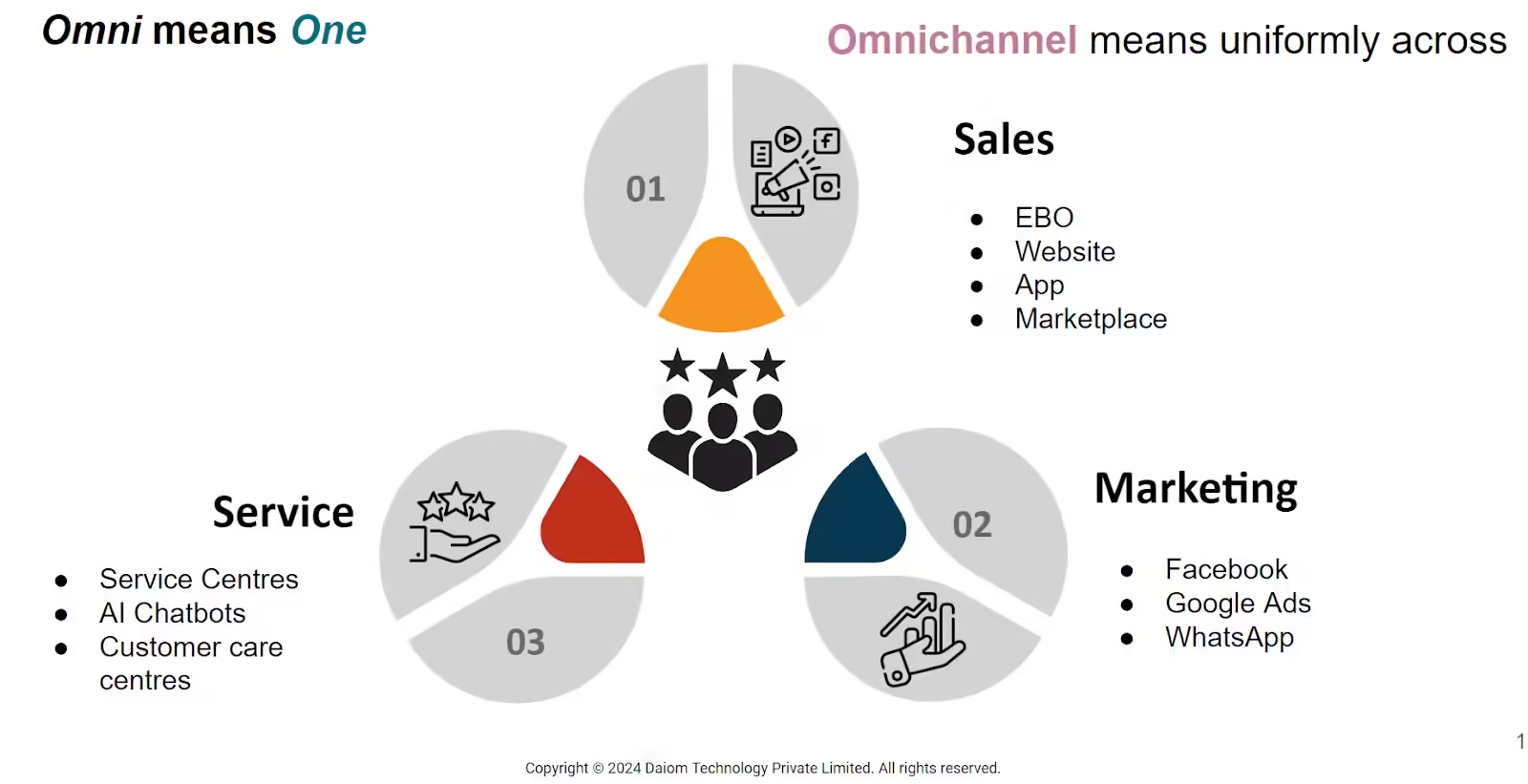
But apart from marketing, sales, and service, there’s one more important layer to consider, tech and analytics.
It is important in tracking customer behavior across all channels to understand what’s working, what’s not, and how each touchpoint is contributing to sales.
The Role of Tech & Analytics in Omnichannel
Tech & Analytics are a big enabler of Omnichannel strategies. It helps track customer behavior, analyze data, and deliver personalized experiences. Here’s how it plays a part:
- Retail POS Systems: Technology ensures smooth transactions at the point of sale, making in-store purchases fast and efficient.
- Footfall Measurement: Track store visits to understand customer traffic patterns and improve store layouts.
- Location Insights: Gain a better understanding of customer behavior and preferences based on where they shop and move within the store.
- Lead Capture and Management Tools: Streamline the process of converting visitors into loyal customers, capturing valuable data that helps with follow-ups.
- Inventory Analytics and Security: Use store inventory analytics to manage stock levels efficiently and deploy tracking to reduce loss.
In this blog, we will explore why omnichannel strategies matter for retailers and how they can transform the modern retail experience.
“We see our customers as invited guests to a party, and we are the hosts. It’s our job every day to make every important aspect of the customer experience a little bit better.”
Jeff Bezos
Table of Contents
1. What Happens When Retail Businesses Operate Without Omnichannel?
When retail channels operate in isolation, the customer experience becomes fragmented.
Consumers move seamlessly between digital and physical touchpoints today and operating without omnichannel can lead to lost sales and weaker customer loyalty.
A customer may browse products online, compare prices on a marketplace, and then walk into a physical store, but the brand has no visibility into that journey.
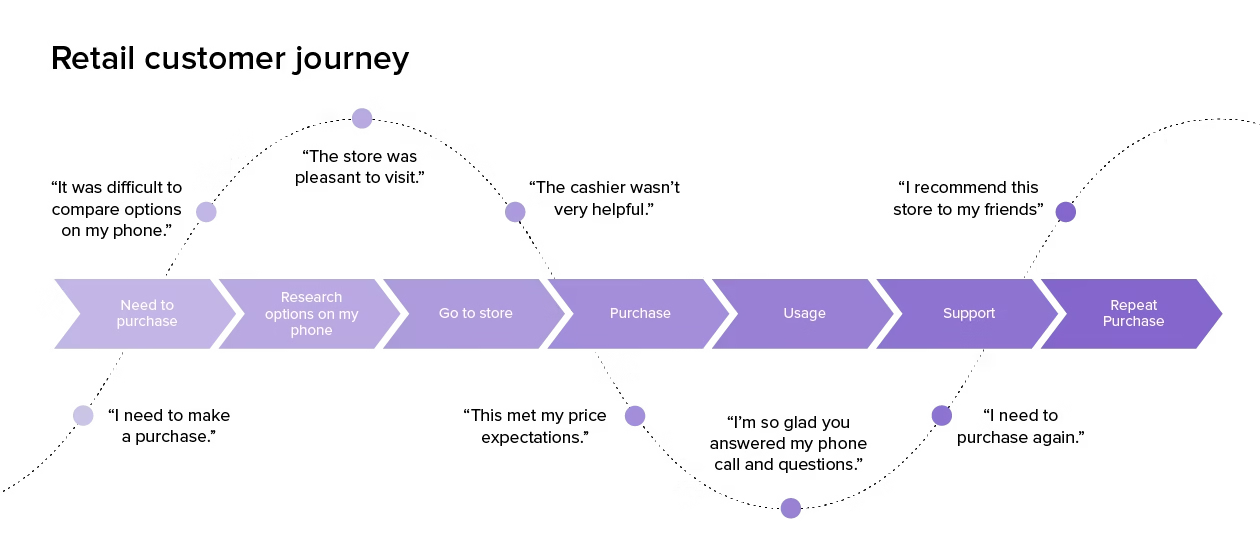
This lack of integration creates several challenges for retailers like:
- Businesses lose valuable customer context: Without a unified view of the customer, it becomes difficult to personalize recommendations, assist buyers effectively, or understand purchase intent.
- Inconsistent experiences across channels can frustrate customers: A product available online may not appear in store inventory, promotions may differ between platforms, or customer support may not have access to past interactions.
- Disconnected systems make it harder for brands to build long-term relationships: When every channel works independently, brands miss opportunities to engage customers across the full lifecycle, from discovery to purchase to loyalty.
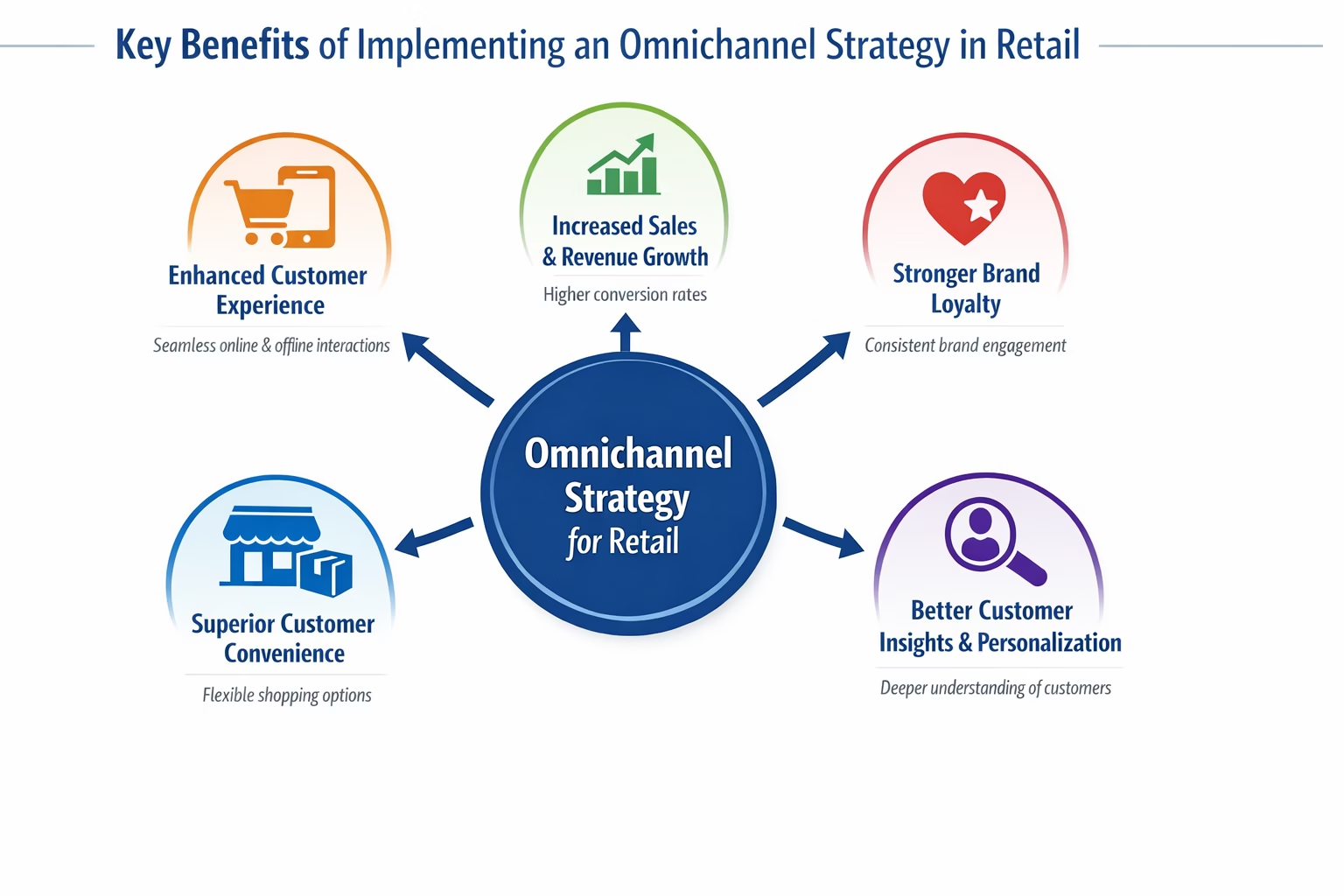
2. Key Benefits of Implementing an Omnichannel Strategy for Retail Businesses
When implemented well, omnichannel strategies help transform how retailers engage with customers, streamline internal operations, and create opportunities for long-term growth. Here are some of the key benefits that make omnichannel strategies so powerful.
2.1 Enhanced Customer Experience
One of the biggest advantages of omnichannel retail is the ability to deliver a seamless customer experience.
When customers feel that a brand understands their needs and adapts to their preferences, satisfaction naturally increases.
Customers today want the freedom to shop in the way that suits them best. Some prefer browsing online before visiting a store. Others might explore products in a physical store but complete the purchase online later.
An omnichannel strategy allows customers to move smoothly between these experiences.
For example, customers can:
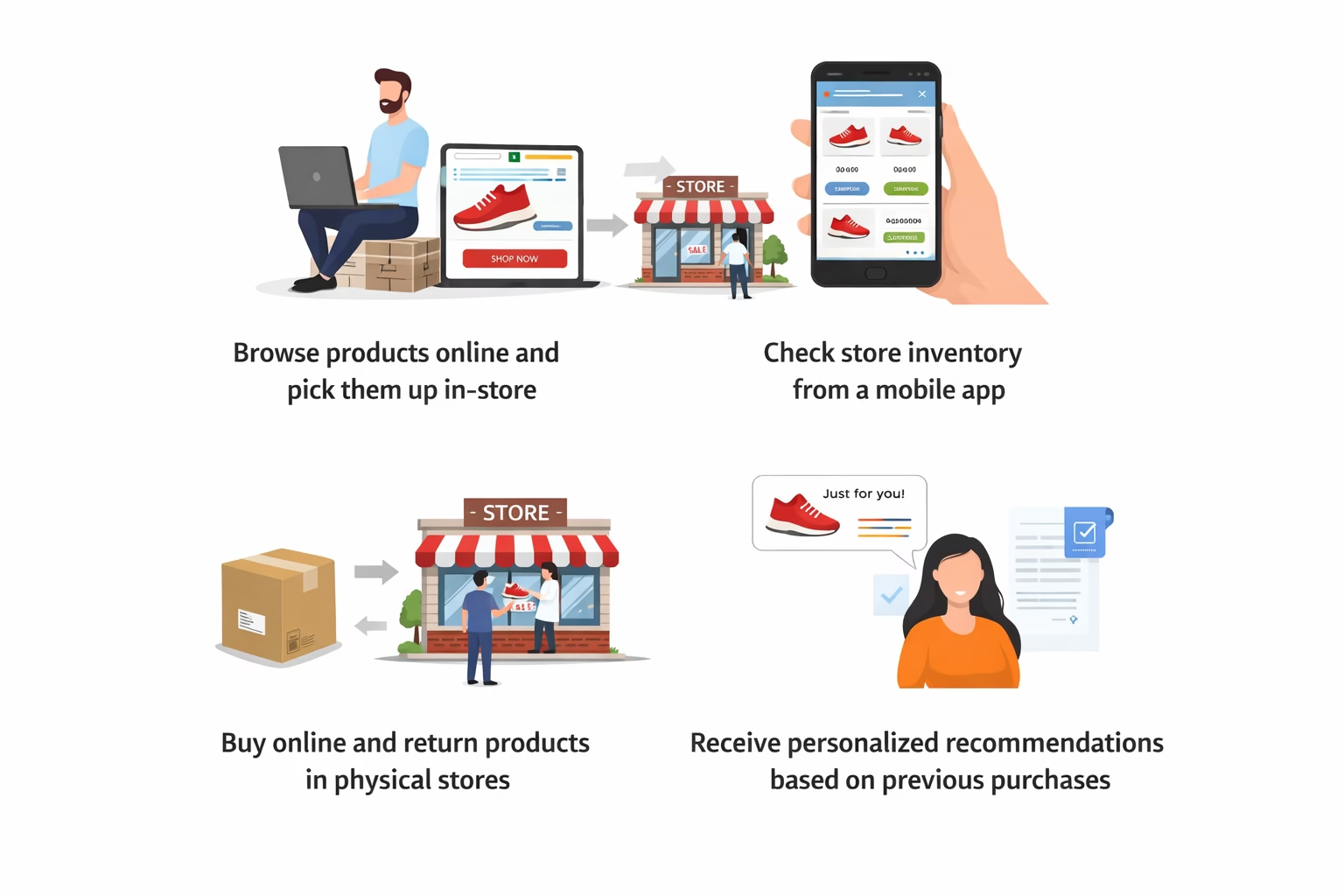
- Browse products online and pick them up in-store
- Check store inventory from a mobile app
- Buy online and return products in physical stores
- Receive personalized recommendations based on previous purchases
This flexibility removes friction from the shopping journey and makes the overall experience more convenient.
2.2 Increased Sales and Revenue Growth
Another major benefit of omnichannel retail is the potential to increase sales.
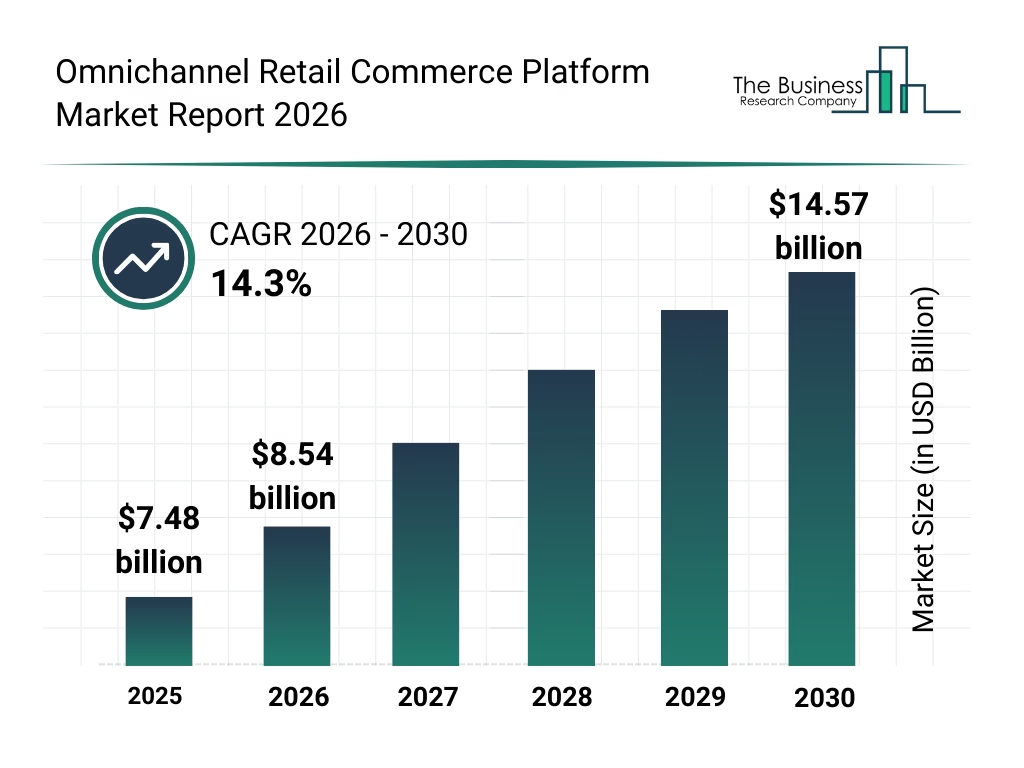
In fact, the omnichannel retail market is projected to grow from $7.48 billion in 2025 to $8.54 billion in 2026, and is expected to reach $14.57 billion by 2030, reflecting a strong compound annual growth rate (CAGR) of 14.3% between 2026 and 2030.
When retailers provide multiple ways for customers to shop, they open up more opportunities for purchases. A customer who discovers a product through social media may eventually buy it from the website, a marketplace, or a nearby store.
The more connected these channels are, the easier it becomes for customers to complete their purchase.
Apart from that, omnichannel strategies also enable retailers to introduce cross-selling and upselling opportunities.
For instance, when customers browse products online, they can receive personalized recommendations based on their browsing history or past purchases.
Similarly, store associates can access customer profiles and suggest products that align with their preferences. These personalized interactions significantly improve conversion rates and increase average order value.
Read more – Driving Store Sales: An Analytical Approach to Boost Conversion!
2.3 Stronger Brand Loyalty
Consistency plays a crucial role in building trust.
When customers experience the same branding, messaging, and quality of service across all channels, they begin to see the brand as reliable and dependable.
Omnichannel strategies ensure that customers encounter a unified brand experience regardless of where they interact, whether it’s a website, an app, a social media page, or a physical store.
This consistency strengthens brand identity and makes customers feel more connected to the brand.
Over time, these consistent experiences lead to stronger brand loyalty. Customers who trust a brand are more likely to return for future purchases and recommend it to others.
In many cases, satisfied customers become brand advocates who share their positive experiences with friends and on social media.
2.4 Better Customer Insights and Personalization
Omnichannel strategies allow retailers to collect and analyze customer data from multiple touchpoints.
Read more – Importance of 1st Party Data and Organic Ways to Build it
Every interaction ranging from website visits, mobile app usage, store purchases, and customer service inquiries provides valuable insights into customer behavior.
When this data is integrated into a unified customer profile, retailers gain a deeper understanding of:
- customer preferences
- purchase patterns
- product interests
- engagement behavior
These insights enable retailers to personalize marketing campaigns and recommendations more effectively.
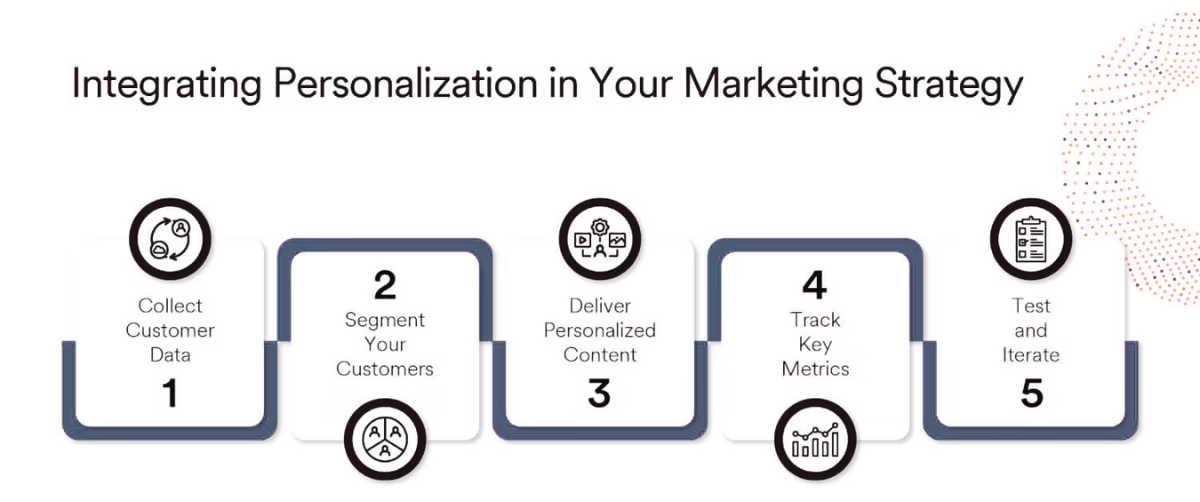
Instead of sending generic promotions, brands can deliver targeted offers that align with individual customer needs. Personalization makes customers feel understood and valued, which significantly improves engagement and loyalty.
2.5 Superior Customer Experience
Delivering a superior customer experience can be the biggest differentiator in today’s retail environment.
Brands that successfully implement omnichannel strategies stand out because they offer convenience, consistency, and personalization.
Customers naturally gravitate toward brands that make their lives easier.
By embracing omnichannel retail, businesses can position themselves as innovative and customer-focused, gaining an advantage over competitors who still operate in disconnected silos.
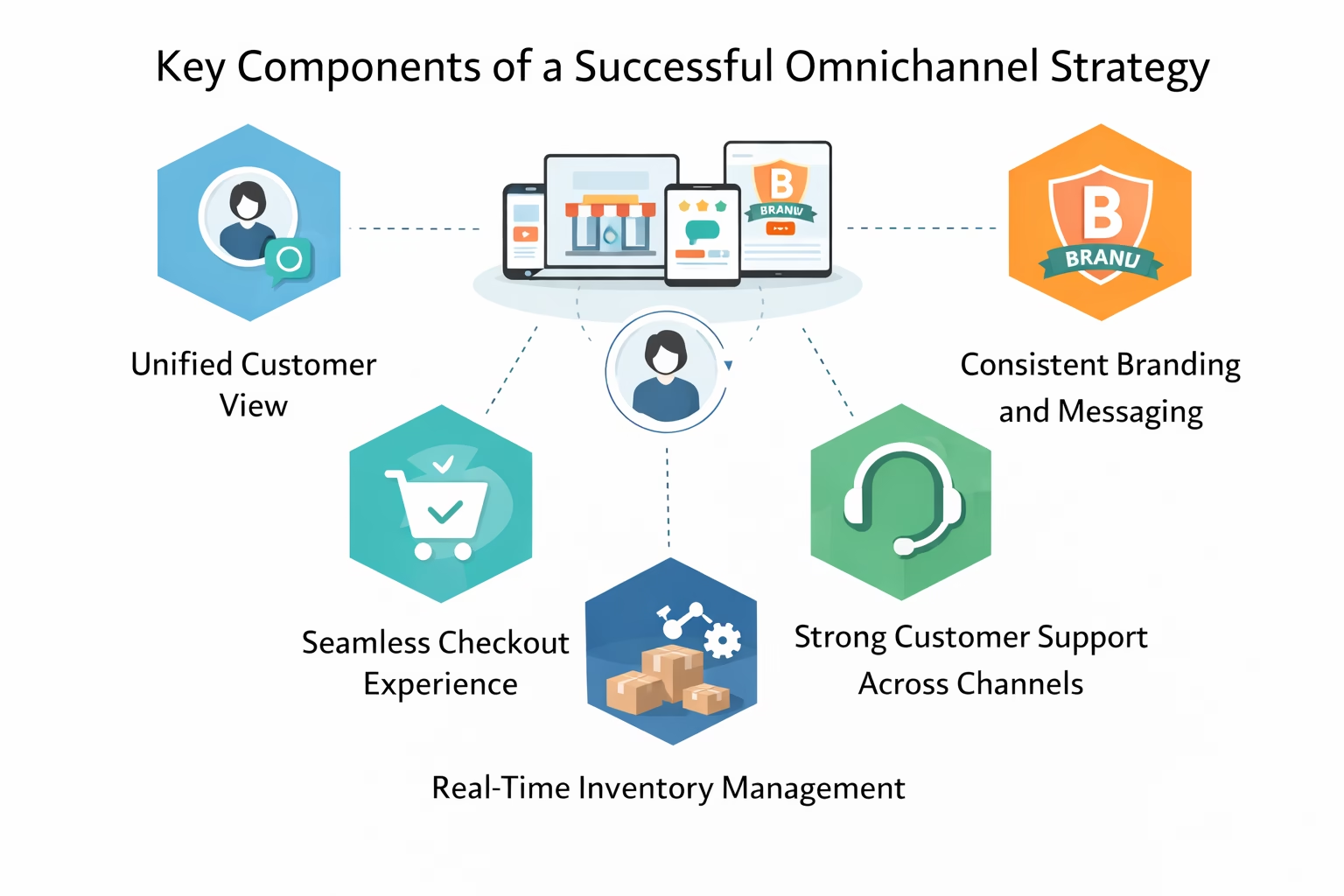
3. Key Components of a Successful Omnichannel Strategy
While the benefits of omnichannel retail are clear, implementing it successfully requires careful planning and execution.
Several core components form the foundation of an effective omnichannel strategy such as:
3.1 Unified Customer View
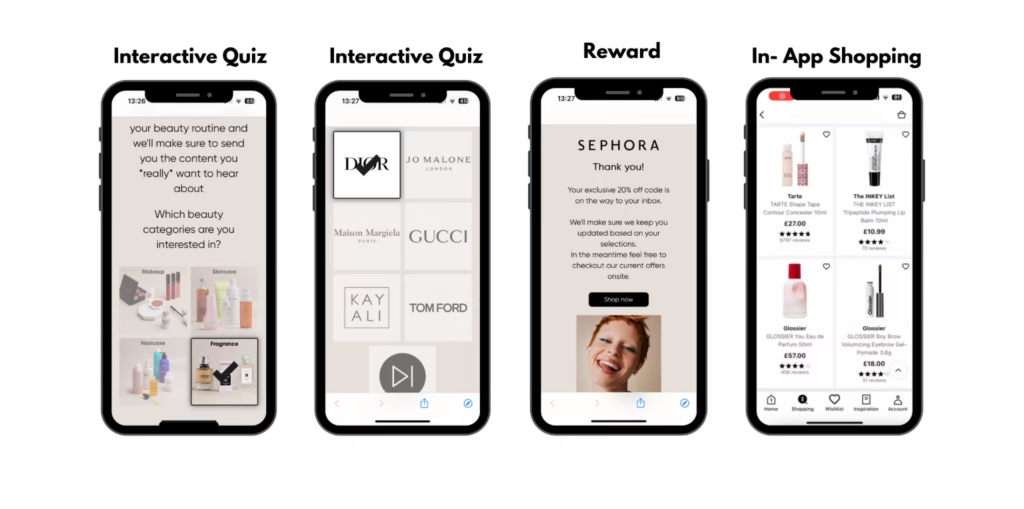
A unified customer view is essential for delivering personalized experiences.
This involves integrating customer data from all channels into a single system, allowing retailers to see a complete picture of each customer’s journey.
With this unified view, businesses can track browsing behavior, purchase history, and engagement across platforms, enabling more relevant interactions and recommendations.
For example, beauty retailer Sephora has built a powerful omnichannel system that connects customer data across its website, mobile app, and physical stores.
3.2 Consistent Branding and Messaging
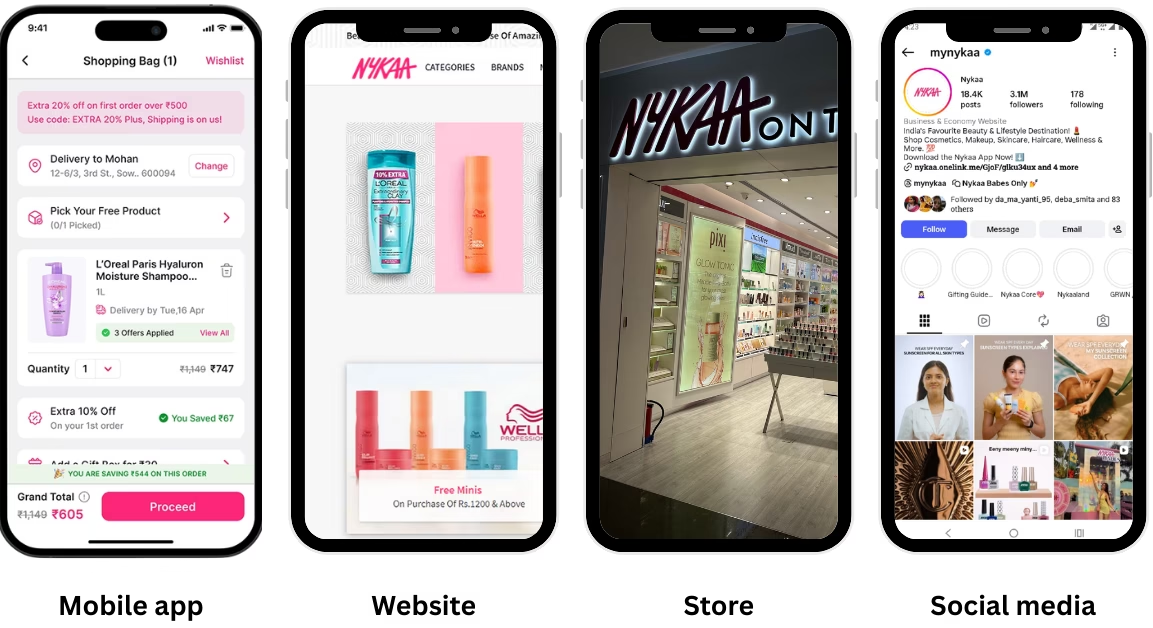
Consistency across channels builds trust and recognition.
Whether a customer encounters the brand through social media, email marketing, or a physical store, the messaging, tone, and visual identity should remain aligned.
This consistency helps with better brand identity and ensures that customers have a familiar and reliable experience.
Whether customers interact with the brand through its website, mobile app, physical stores, social media, or advertising campaigns, the messaging and visual identity remain the same.
Nykaa has successfully maintained consistent branding and messaging across all its customer touchpoints, its website, mobile app, social media platforms, and physical retail stores.
3.3 Seamless Checkout Experience
Checkout is one of the most critical moments in the customer journey.
A complicated or slow checkout process can lead to cart abandonment and lost sales.
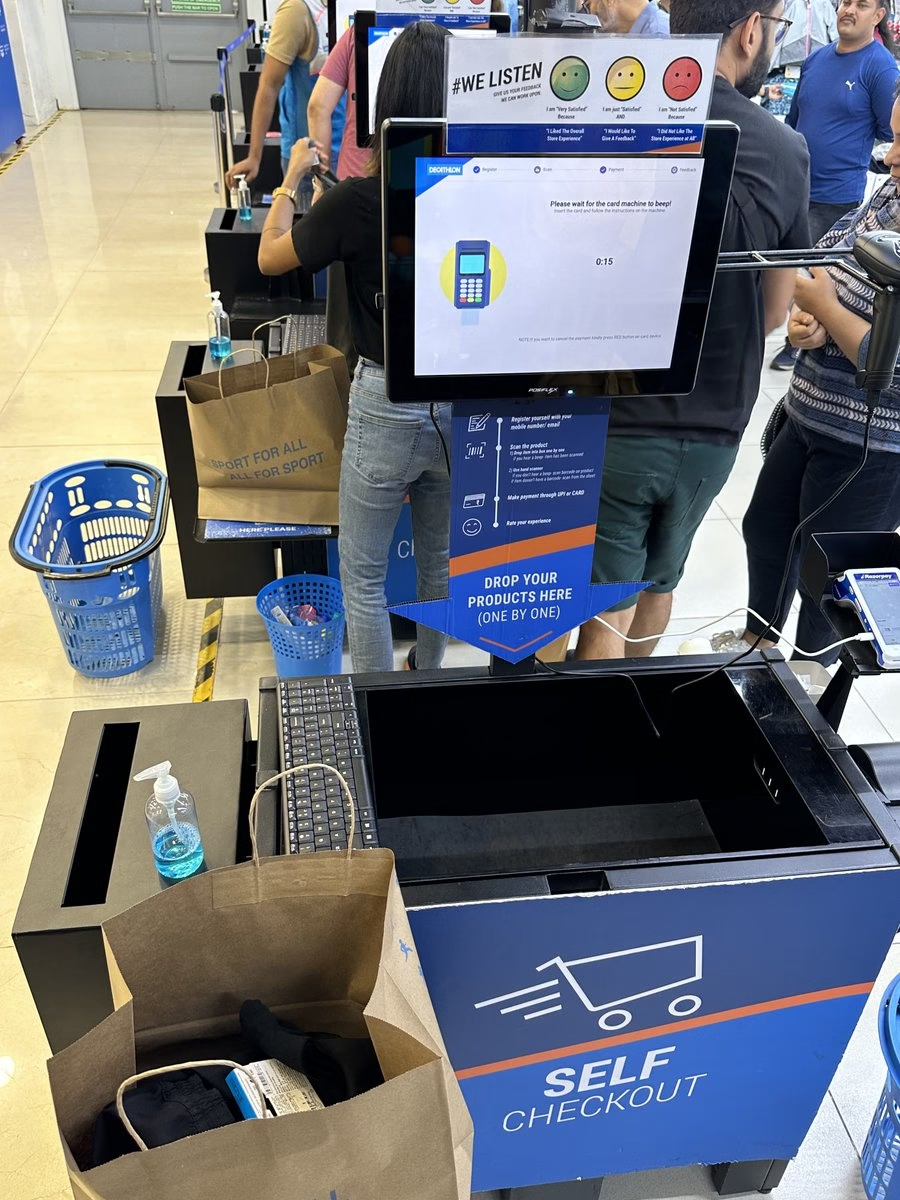
For example, self-service checkout is becoming an important part of modern retail experiences. It allows customers to scan and pay for their purchases on their own using kiosks, mobile apps, or smart checkout systems without needing assistance from store staff.
It reduces friction at one of the most critical moments of the customer journey, helping retailers improve customer satisfaction while minimizing lost sales due to checkout delays. A good example of self-service checkout is used by Decathlon stores.
Also Read: Decathlon’s Omni Channel with Endless Aisle powered by QR
3.4 Real-Time Inventory Management
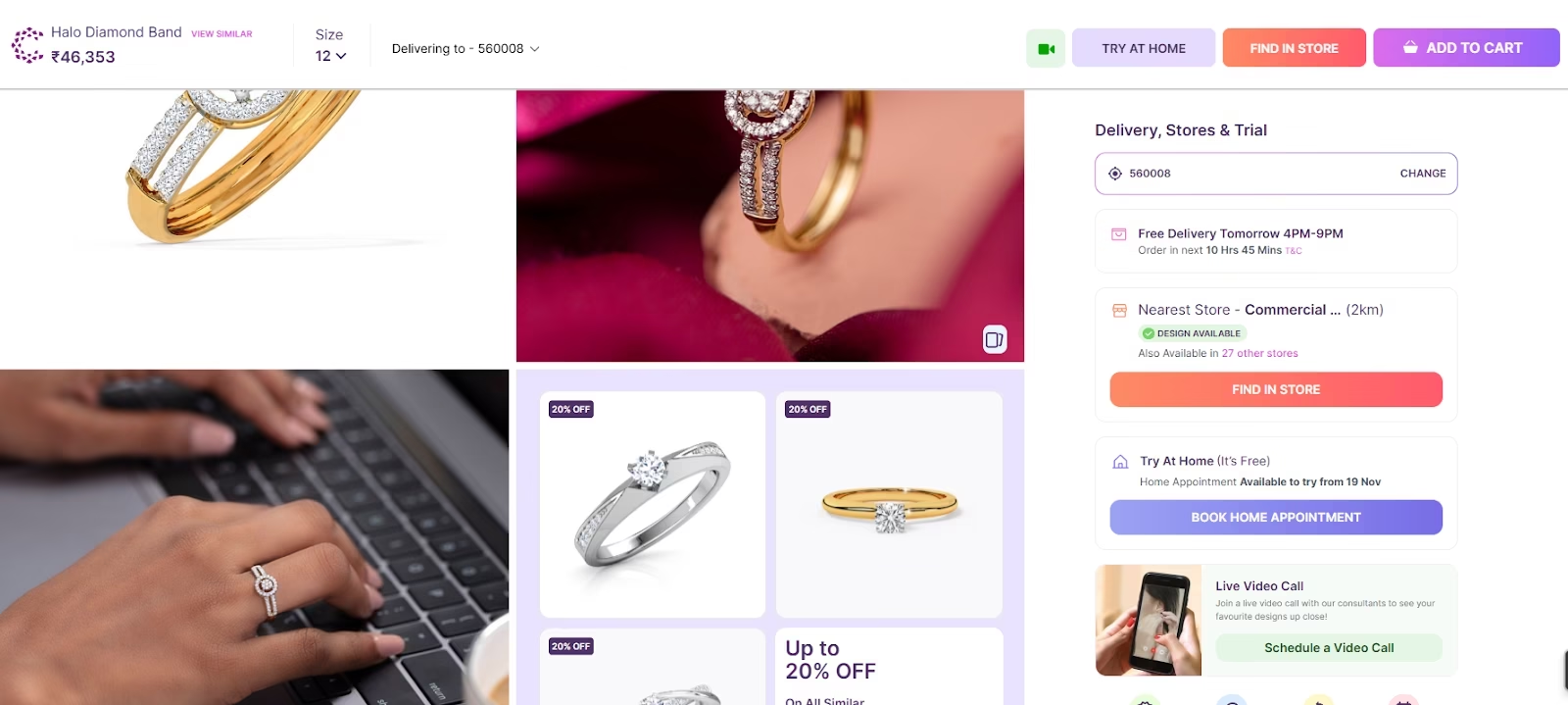
Multiple stores face big challenges when it comes to managing inventory, there are so many designs, materials, and price points to keep track of. Plus, when it comes to high-value items, security and accuracy are a must.
Real-time inventory updates let customers see what’s available at nearby stores. They can reserve items online and complete their purchase in-store.
CaratLane solved this with smart inventory management, making it easy for customers to find what they want:
3.5 Strong Customer Support Across Channels
Customer support plays a crucial role in maintaining satisfaction.
Retail brands need to make sure that customers can easily reach support through multiple channels, including chat, email, phone, and social media.
More importantly, support teams have access to customer history, enabling them to resolve issues quickly and efficiently.
For example, Tata CLiQ provides customer support across multiple channels, ensuring shoppers can get help wherever they are in their buying journey.
Customers can reach support through the website, mobile app, email, social media, and customer care helplines.
4. Indian Retail Brands Winning With Omnichannel
Several Indian brands are already demonstrating how powerful omnichannel strategies can be when implemented effectively.
4.1 Nykaa
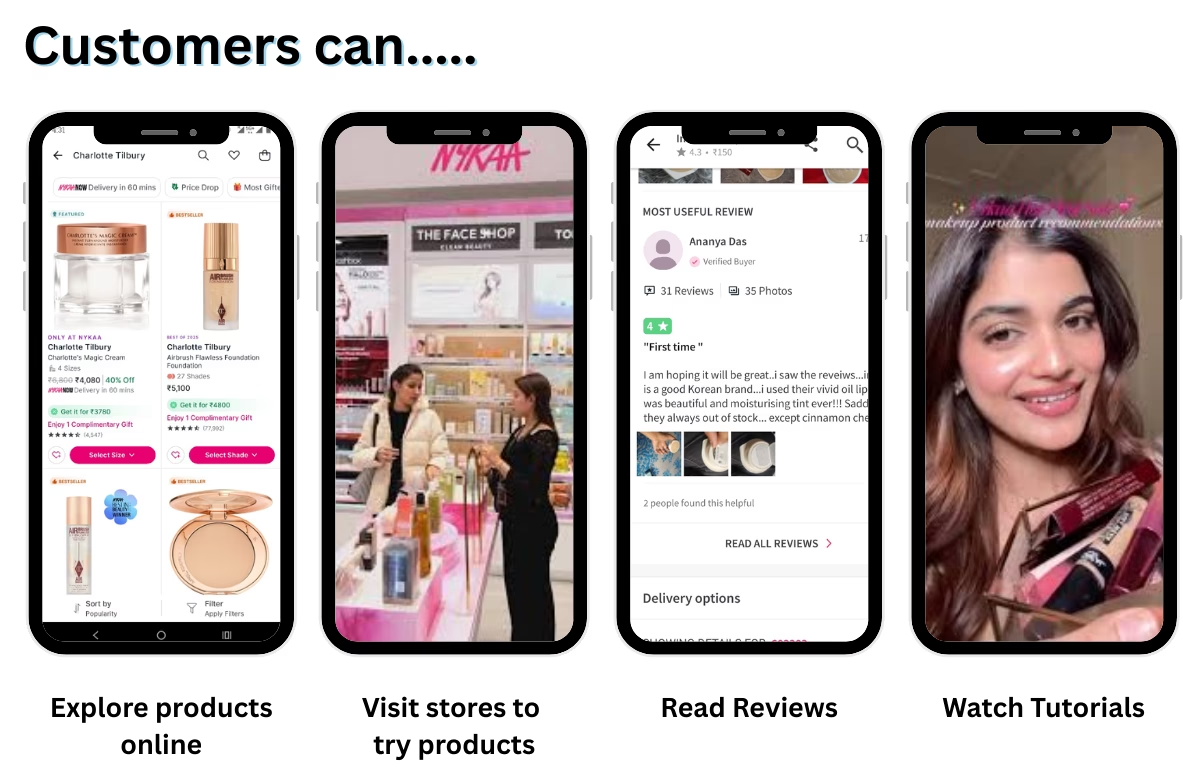
One notable example is Nykaa. The beauty retailer has successfully combined its strong e-commerce platform with a growing network of offline stores.
Customers can explore products online, read reviews, watch tutorials, and then visit stores to try products before making a purchase.
4.2 Reliance Retail
Another strong omnichannel player is Reliance Retail, which operates across digital platforms and physical outlets.
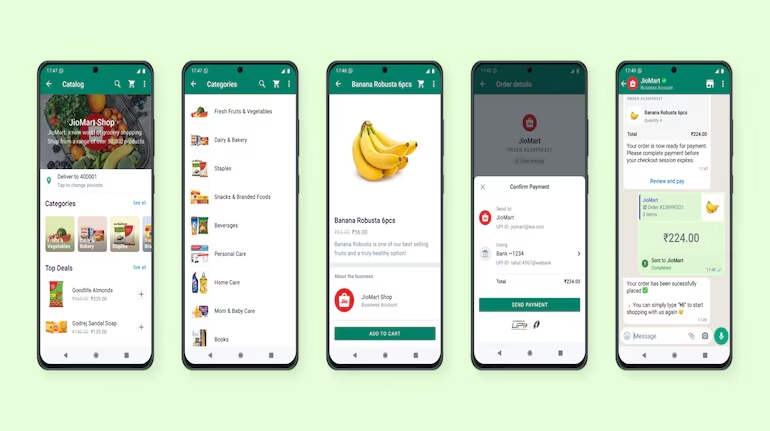
With initiatives like integrated inventory systems and digital ordering options in stores, the brand has created a seamless shopping experience for millions of customers.
5. Conclusion
Consumers no longer see online and offline channels as separate experiences. They simply expect brands to be present wherever they choose to shop.
An omnichannel strategy helps businesses meet these expectations by integrating every touchpoint into a unified customer journey. From enhancing customer experience and increasing sales to building brand loyalty and gaining valuable insights, the benefits of omnichannel retail are substantial.
Brands that embrace this approach today will be better prepared to compete in the future of retail.
At DAiOM, we help businesses simplify this entire process. By combining smart automation with a clear understanding of omnichannel customer behavior, brands can deliver more relevant, seamless experiences, without the complexity.
If you’d like to discuss how we can help optimize your Omnichannel Marketing strategies, feel free to reach out to us at alibha@daiom.in
For more insights and updates on the latest trends, follow DAiOM!
Subscribe to our Newsletter!