
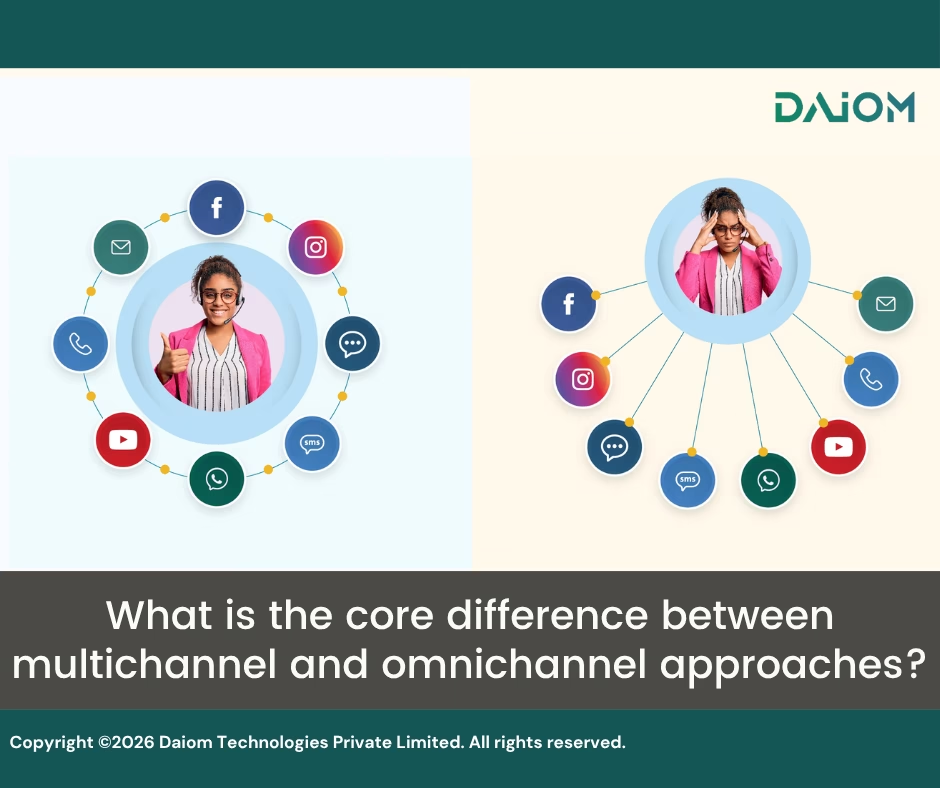
People use “omnichannel” and “multichannel” interchangeably, and that is something I once used to do too, until I learned the meaning of both. If I want to explain simply, I will say multichannel means showing up everywhere and omnichannel means connecting everywhere. Read the full blog to dive deeper into understanding each!
Table of Contents:
1. Introduction
Many marketers often use the terms multichannel marketing and omnichannel marketing as if they mean the same thing. Well, they do sound similar on the surface because both involve reaching customers through multiple platforms like websites, stores, apps, and social media. But, the way these two approaches work is quite different.
Today’s customers don’t stick to just one channel.
In fact, around 73% of customers interact with brands across multiple channels, they might browse online, check products on their phone, and then visit a store before buying. This makes it very important for businesses to understand how these channels should be managed.
In a multichannel approach, a brand is present on different platforms, but each one works separately. The experience a customer gets on the website may be completely different from what they see in-store or on an app. There is no strong connection between these channels.
In an omnichannel approach, all these platforms are connected. The customer gets a smooth and consistent experience everywhere, and their journey continues across channels instead of starting over each time.
Understanding this difference helps businesses not just reach customers, but engage them better, no matter where they are.
This blog helps you understand the difference clearly so you can reach your customers in the right places.
“We see our customers as invited guests to a party, and we are the hosts. It’s our job to make the customer experience better every day.”
Jeff Bezos
2. What is Multichannel Marketing?
Multichannel marketing is a strategy where a brand connects with customers through multiple platforms. These platforms can include websites, mobile apps, social media, emails, and even physical stores.
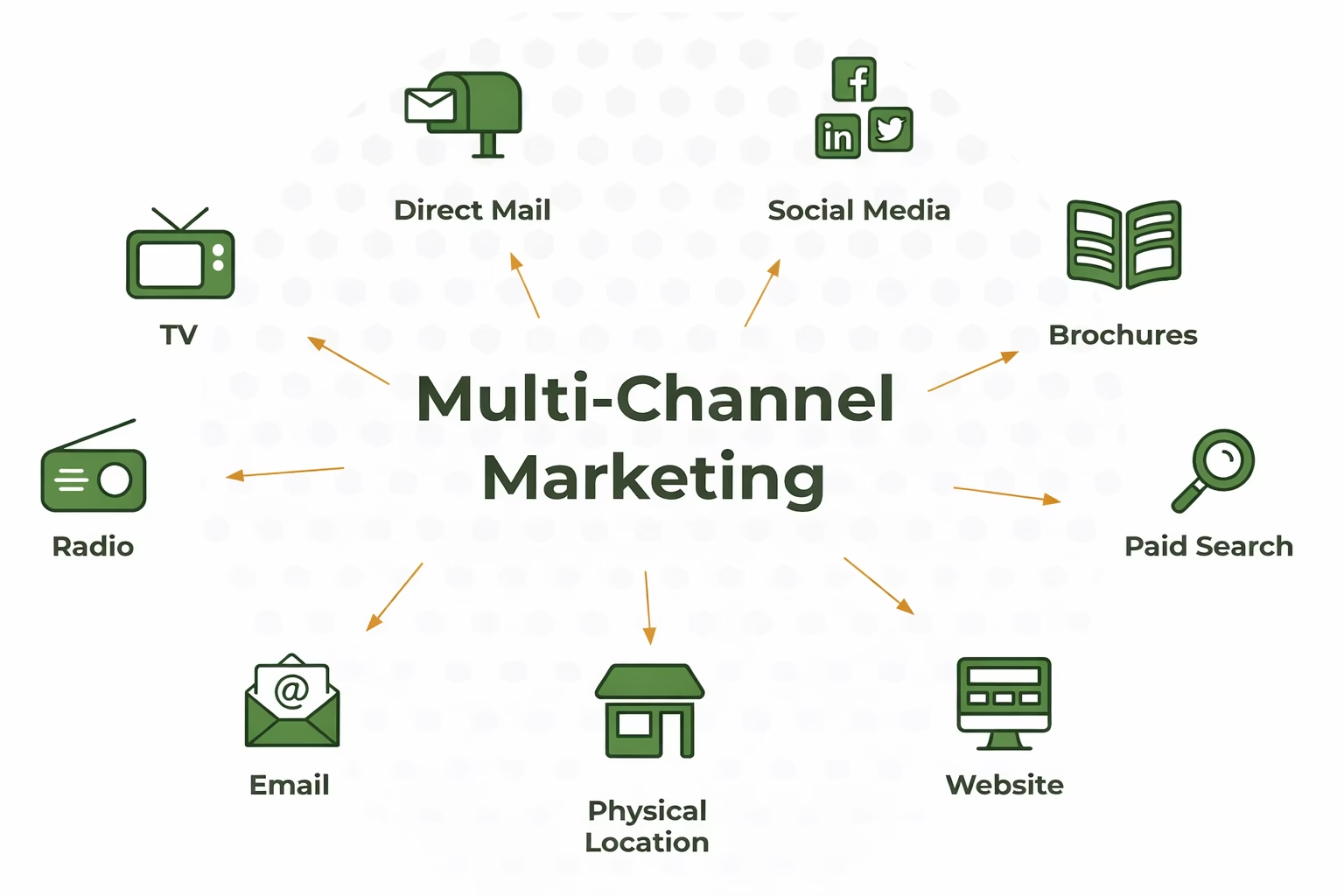
It means to be present wherever your customers are.
However, each channel works separately in this approach. Here, the messaging, offers, and experience can be different across platforms because they are not connected to each other.
Multichannel marketing works by selecting the most relevant platforms for your business and using them to reach different types of customers. Instead of trying to be everywhere, brands focus on channels that align with their goals and audience behavior.
For instance, a brand may:
- Send emails to nurture existing customers
- Use ads or social media to reach new audiences
- Use a mobile app to engage loyal users
Each channel serves a specific purpose, and communication is tailored accordingly.
3. What is Omnichannel Marketing?
Instead of just being present on multiple platforms, Omnichannel marketing focuses on creating one connected and consistent experience across all of them.
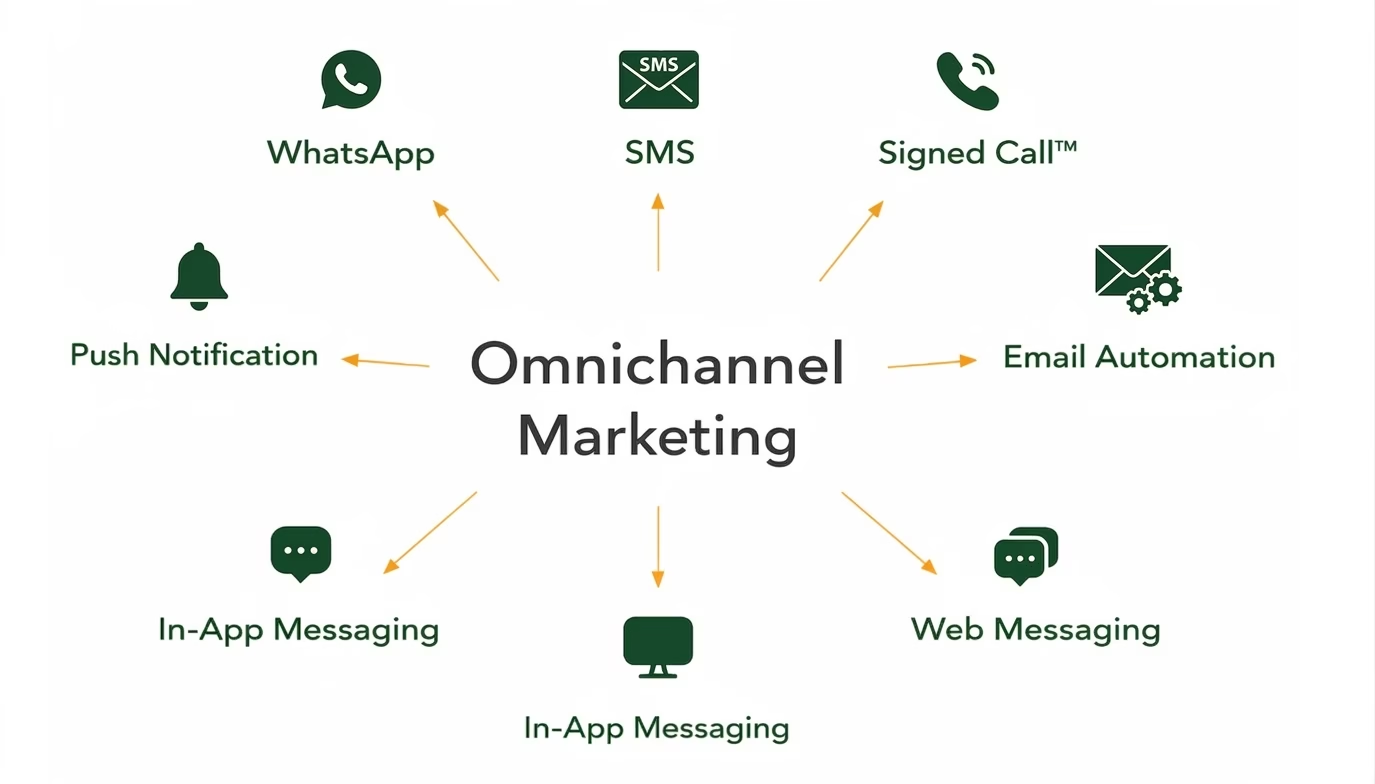
In this approach, all channels work together. The messaging stays consistent, and the customer journey continues smoothly, no matter where the interaction happens.
For the customer, it feels like they are interacting with one single brand, not different systems.
Read more – The Power of Omni Channel: Helping Businesses Connect with Customers
Omnichannel marketing works by connecting all customer touchpoints, online and offline, so that the experience feels seamless.
For example, a customer might visit a store and make a purchase, and instantly receive the invoice on their phone via an app or SMS. If they browse products online, those preferences can be remembered and used to show relevant recommendations later.
This integration allows brands to:
- Maintain consistent messaging
- Offer personalized experiences
- Track the full customer journey
As a result, customers feel understood and valued, because the brand remembers their actions and preferences across platforms.
4. Basic Difference Between Omnichannel & Multichannel
At first glance, multichannel and omnichannel may look very similar because both involve selling and engaging with customers across multiple platforms.
A brand might be present on its website, mobile app, social media, marketplaces, and physical stores in both cases. However, the difference lies not in where the brand is present, but in how those channels work together.
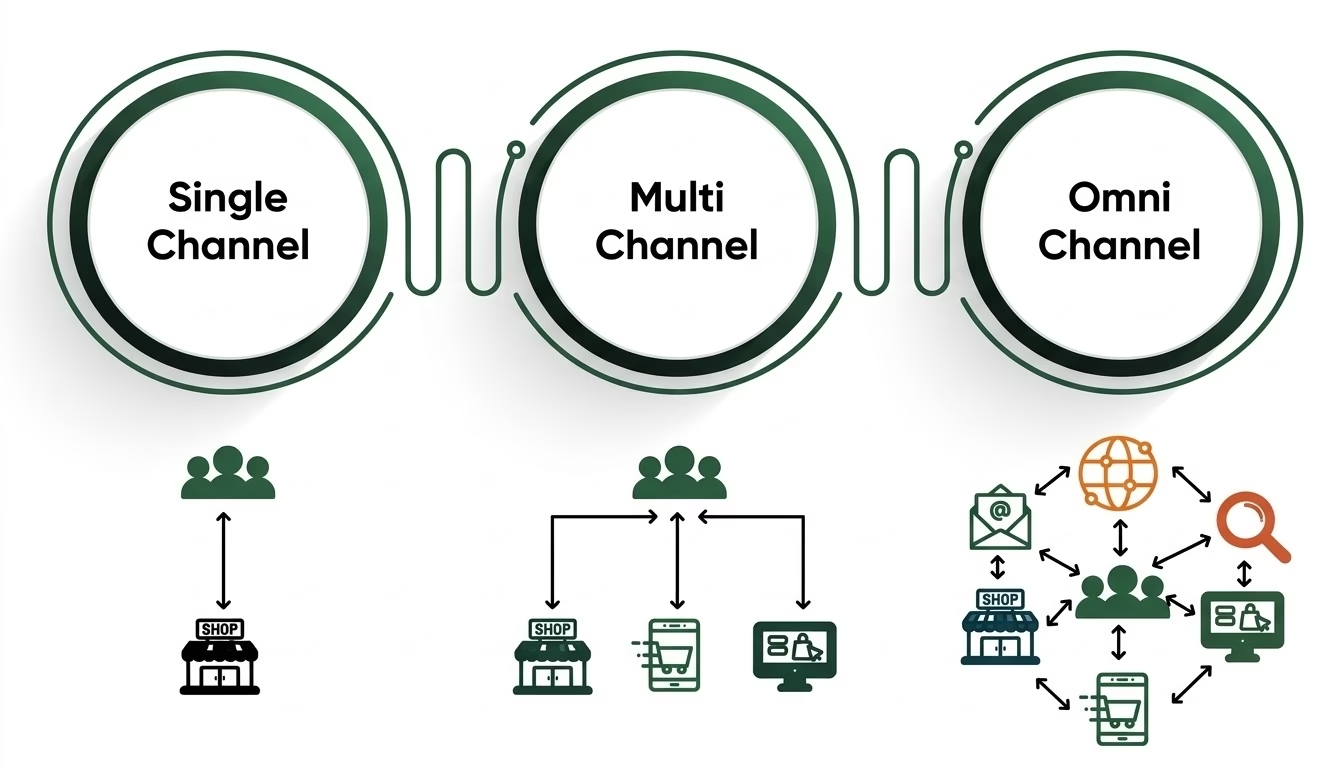
In a multichannel approach, each channel operates independently. This means the online store, physical store, and mobile app may all function separately, often managed by different teams with different systems. As a result, the customer experience can vary from one channel to another.
A customer browsing products online may not find the same information, pricing, or even product availability when they switch to another platform. Their journey feels disconnected, as if they are interacting with different versions of the same brand.
Omnichannel, on the other hand, is built around integration. All channels are connected, and they share data in real time.
This ensures that the customer gets a consistent and continuous experience, no matter where they interact with ONE brand.
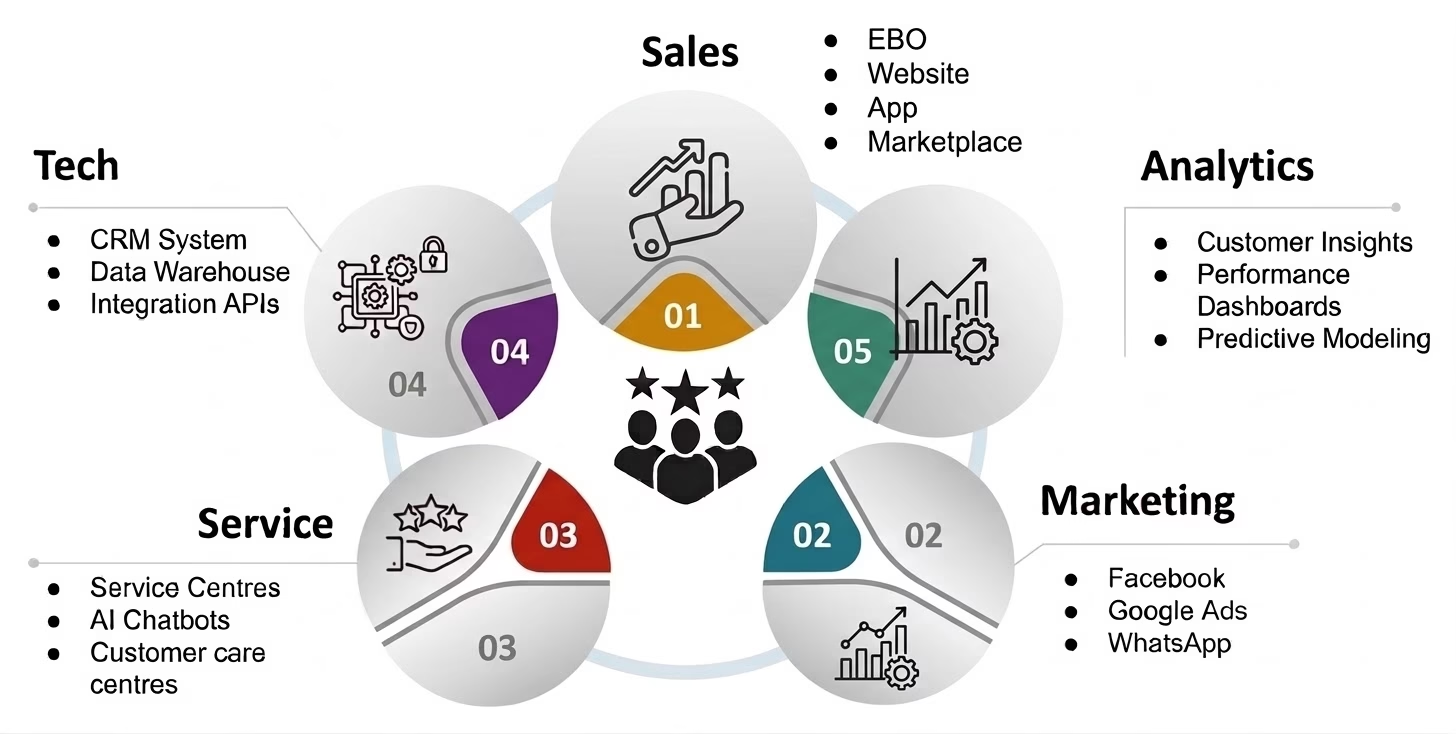
By integrating all channels, businesses can collect unified customer data. Over time, this leads to more personalized experiences.
Learn more – Bridging Online and Offline: The Omnichannel Approach
5. Key Differences Between Omnichannel and Multichannel Marketing
We already understand the basic difference between multichannel and omnichannel marketing. Now let’s look at the key differences in a simple and practical way.
5.1. Messaging and Communication
The biggest difference is how brands use different channels to communicate.
In multichannel marketing, brands use many platforms like email, social media, apps, and ads, but each one works separately. The messaging can be different on each platform depending on the audience and purpose. This helps brands target specific groups in different ways.
In omnichannel marketing, all these channels are connected. The messaging stays consistent, and the experience feels the same everywhere. No matter where the customer interacts, it feels like one single brand conversation.
5.2. Personalization
Personalization also works differently in both approaches.
In multichannel marketing, personalization is done at the channel level. For example, a brand might send one type of message on email and a completely different campaign on social media. Each platform is treated separately.
In omnichannel marketing, personalization is based on the customer, not the channel. Since all data is connected, brands can understand customer behavior better and respond accordingly. For example, if someone leaves a product in their cart, they might get a reminder through email or a notification on their phone.
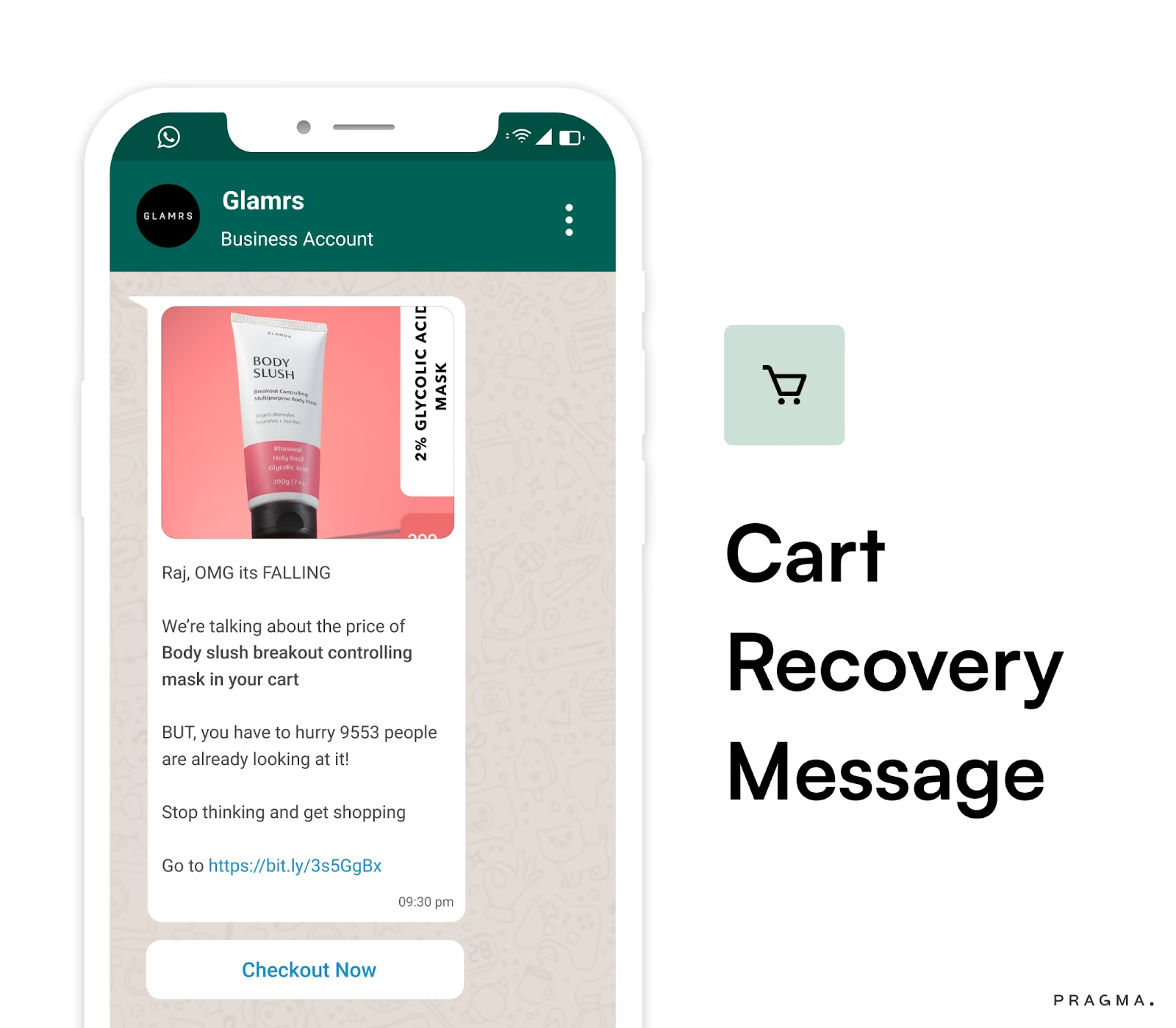
So, multichannel focuses on channel-based personalization, while omnichannel focuses on customer-based personalization.
5.3. Focus
Multichannel marketing is more business-focused.
Brands choose specific channels based on their goals, such as increasing reach or sales. The focus is on being present in multiple places to attract more customers.
Omnichannel marketing is more customer-focused.
Here, the goal is to improve the overall customer experience. The brand focuses on how customers move across channels and ensures their journey is smooth and connected.
5.4. Customer Experience
Customer experience is where the difference becomes very clear.
In multichannel marketing, the experience can feel disconnected. Customers may receive repeated or unrelated messages on different platforms. Switching from one channel to another is not always smooth.
In omnichannel marketing, the experience is seamless. Customers can move from one platform to another without any confusion. Their journey continues instead of restarting, which makes the interaction easier and more enjoyable.
5.5. Execution Effort
The effort required to implement these strategies is also different.
Multichannel marketing is easier to set up. Brands can simply choose a few platforms and start using them independently. It requires less coordination and fewer systems.
Omnichannel marketing is more complex. It needs proper integration of systems, data, and teams. Brands must connect all channels and manage customer data carefully to deliver a smooth experience.
However, even though it requires more effort, omnichannel often delivers better long-term results because of the improved customer experience.
6. Which brands are winning with omnichannel?
Even though there are many differences between omnichannel and multichannel, there is no single right approach. The best strategy depends on your business goals.
Here are some examples to understand this better:
6.1 Apple’s Omnichannel Experience for Customers
A good example of omnichannel marketing is how Apple creates a smooth experience across all its devices and services. Customers can use services like Apple Fitness+ and Apple Music on different devices such as smartphones, tablets, and smartwatches.
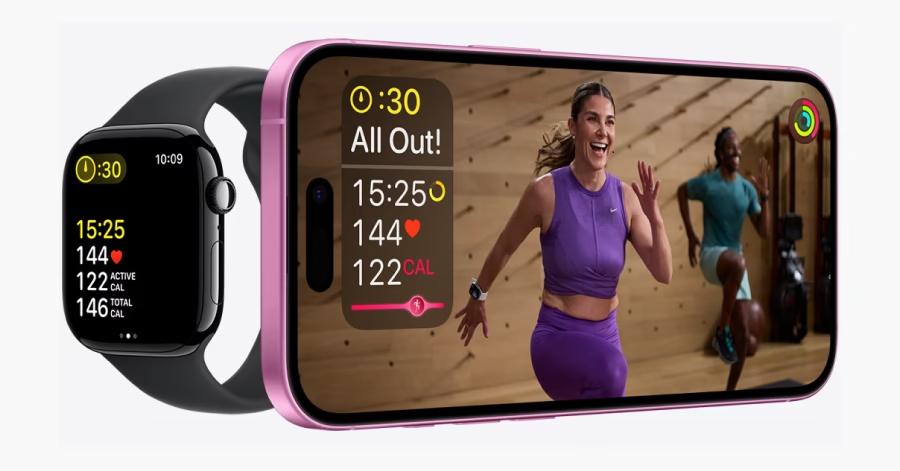
What makes this experience strong is how everything is connected. Whether someone is using an iPhone, iPad, or MacBook, their data and activity stay in sync. They can start something on one device and continue it on another without any interruption.
This is a great example of omnichannel in action, where all platforms work together to create one smooth and connected experience for the customer.
6.2. H&M’s Omnichannel Strategy for Limited-time Offers
A great example of omnichannel marketing can be seen in how H&M promotes its limited-time sales.
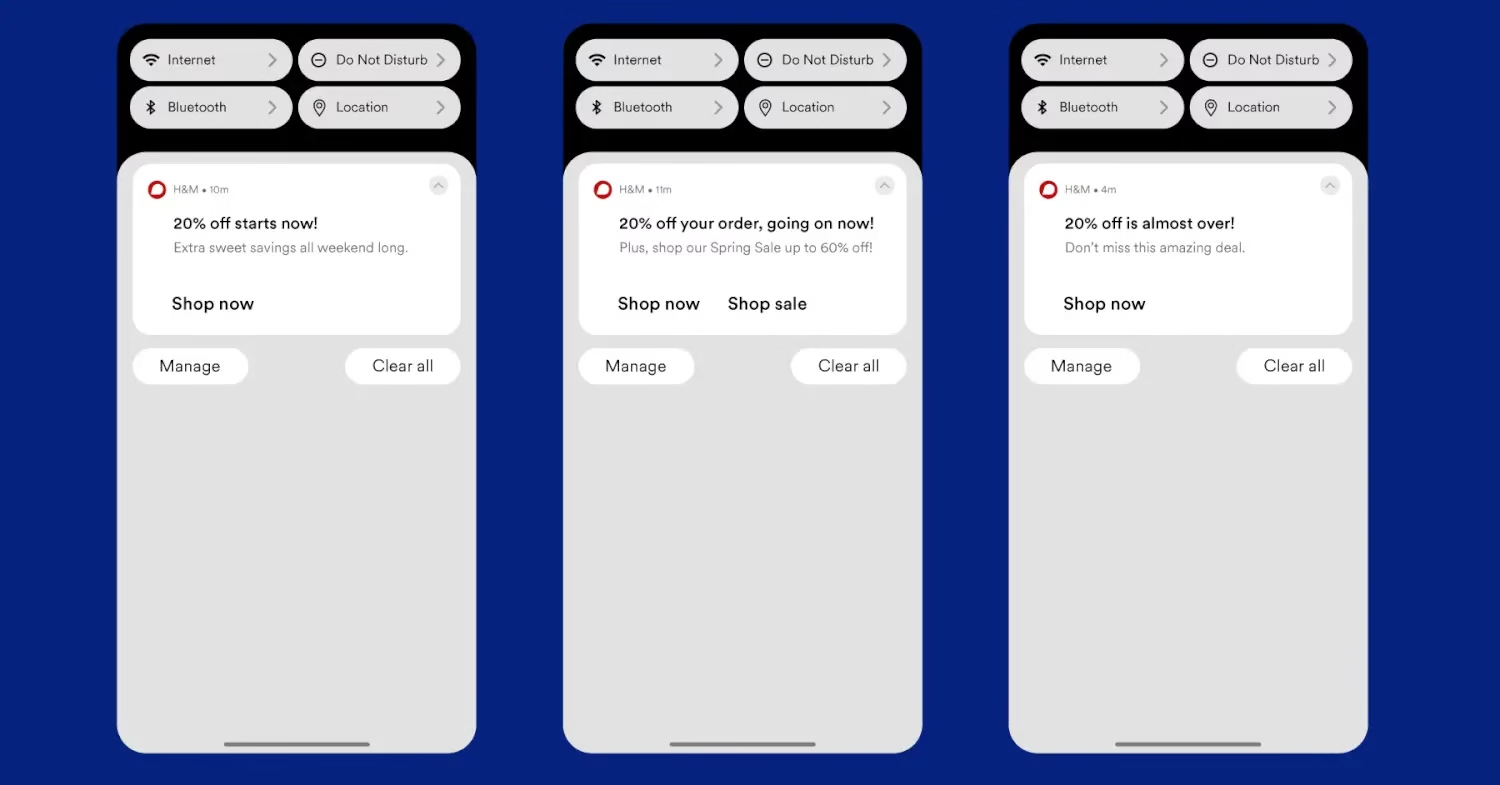
The brand uses different channels like email and mobile notifications, but everything is connected and planned together. First, customers receive emails informing them about upcoming sales, helping create awareness early on. Then, as the sale gets closer or goes live, they receive push notifications on their phones, reminding them to check out the offers.
This approach ensures that customers are guided step by step, from awareness to action.
Whether customers choose to shop online or visit a store, the experience feels smooth and connected. All the messaging works together at the right time, making it easier for customers to engage with the brand.
This is a strong example of omnichannel marketing, where multiple touchpoints are used in a coordinated way to drive better engagement and sales.
6.3. Pantaloons’s Omnichannel In-Store Experience
Pantaloons is a great example of how brands are blending digital and physical shopping to make the customer journey smoother.
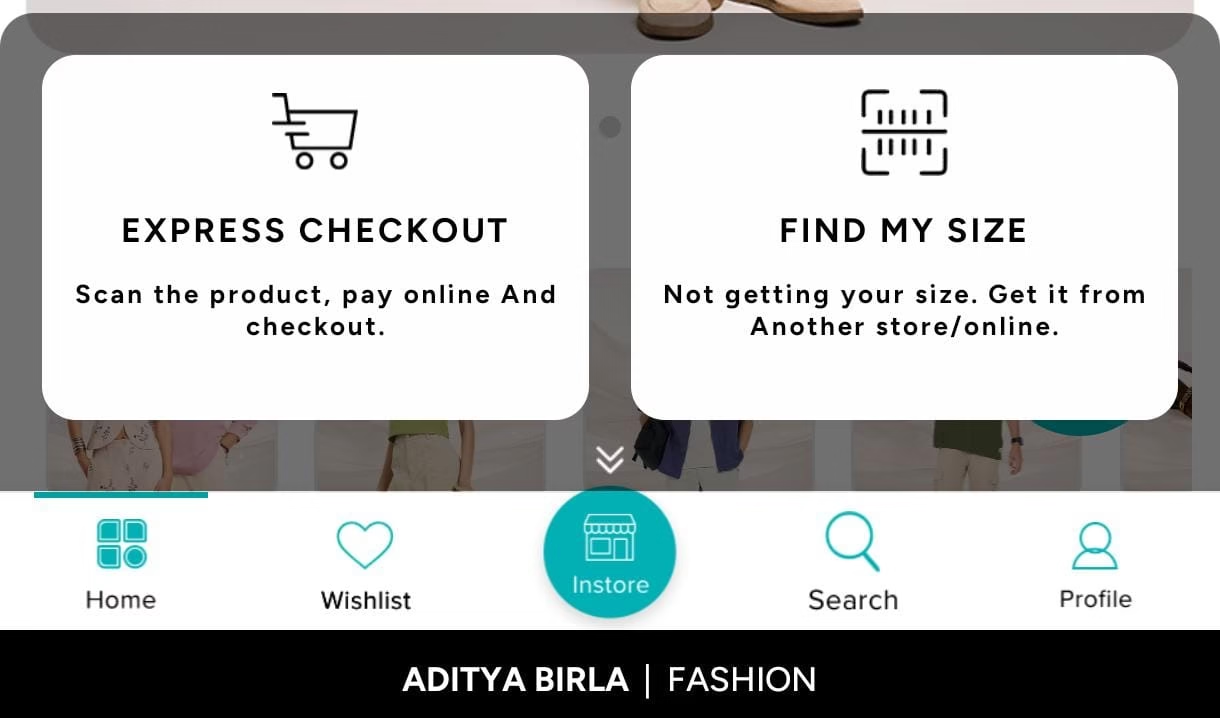
One of the key features they offer is “Find My Size” If a customer is browsing in-store and cannot find their size, the staff can quickly check availability across other stores or warehouses using digital systems. This saves time and reduces the chances of losing a sale.
They also offer express checkout options, where customers can skip long billing queues. In some stores, staff use handheld devices to assist customers and complete purchases faster, making the shopping experience more convenient.
These features show how Pantaloons connects its in-store experience with digital support systems. Instead of treating offline and online separately, they work together to solve customer problems in real time.
This creates a smoother, faster, and more helpful shopping experience—exactly what omnichannel is meant to deliver.
“The best customer experiences are built when brands remove friction and make every interaction feel connected.”
— Satya Nadella
7. Conclusion
As the market evolves, customers expect brands to adapt to their needs. Omnichannel isn’t just a trend, it’s a necessity for modern businesses. Whether through online platforms, physical stores, or customer service, creating a unified experience across all channels is what will keep customers coming back.
By focusing on Omnichannel sales, marketing, and service, brands can ensure that every customer has a smooth, satisfying experience, no matter where they choose to engage. As more brands embrace this approach, it’s clear that Omnichannel is the way forward for businesses looking to grow and thrive in today’s competitive landscape.
At DAiOM, we help businesses simplify this entire process. By combining smart automation with a clear understanding of omnichannel customer behavior, brands can deliver more relevant, seamless experiences, without the complexity.
If you’d like to discuss how we can help optimize your Omnichannel Marketing strategies, feel free to reach out to us at alibha@daiom.in
For more insights and updates on the latest trends, follow DAiOM!
Subscribe to our Newsletter!