
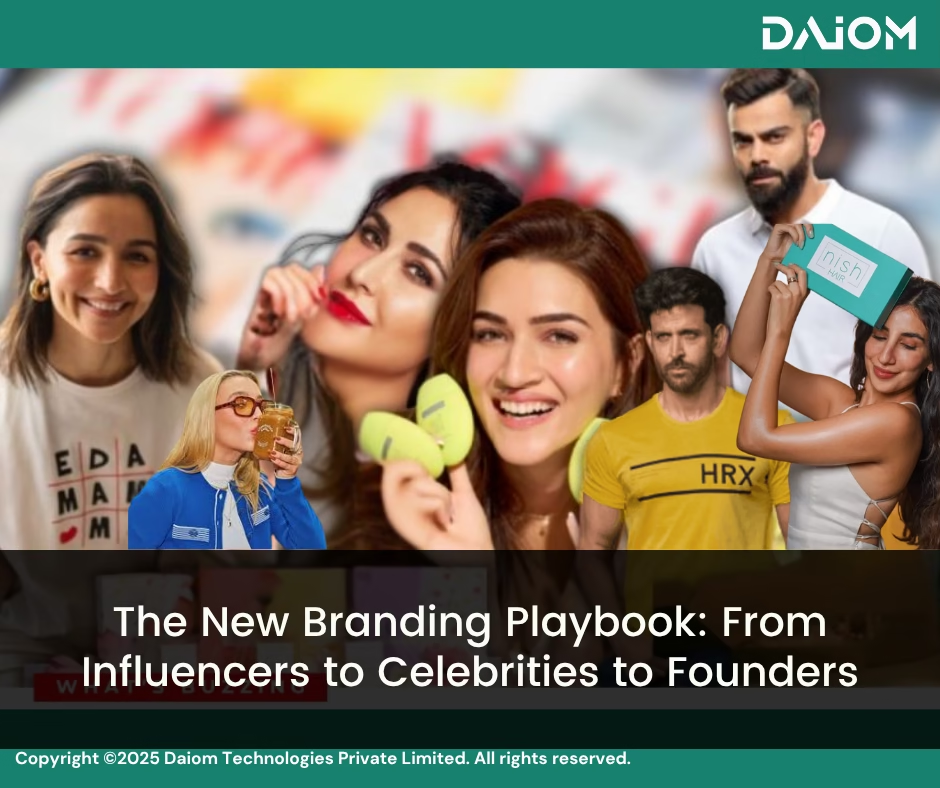
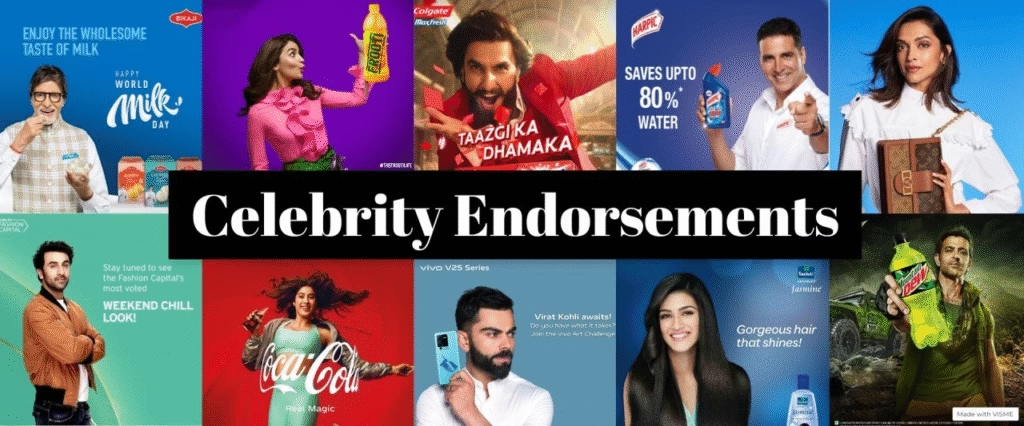
Not too long ago, branding used to be about popular faces and even bigger budgets. Put Shah Rukh Khan in a Pepsi ad, give him a cool line, and the nation would buy. Then, a few years later, he switched to Thums Up, and suddenly the same star was shouting the opposite message.
This was the old playbook: logos, jingles, and celebrity endorsements. It worked because consumers didn’t ask, “Who really stands behind this?”
But times have changed. Today, consumers scroll feeds, not just watch TV. They are live on Instagram, YouTube, and LinkedIn. They want authenticity, they want stories, and most importantly, they want to trust the person behind the product.
They want to know the stories behind products—who made them, what values they stand for, and whether the face on the ad is actually invested in the product. Authenticity is currency. Branding has shifted from polished campaigns to relatable stories, faces, and voices.
That’s why branding today is less about the logo and more about the face, the voice, and the story.
In this blog, we’ll dive into how branding has evolved over time.
Table of Contents:
1. The 3 Waves of Modern Brand Building
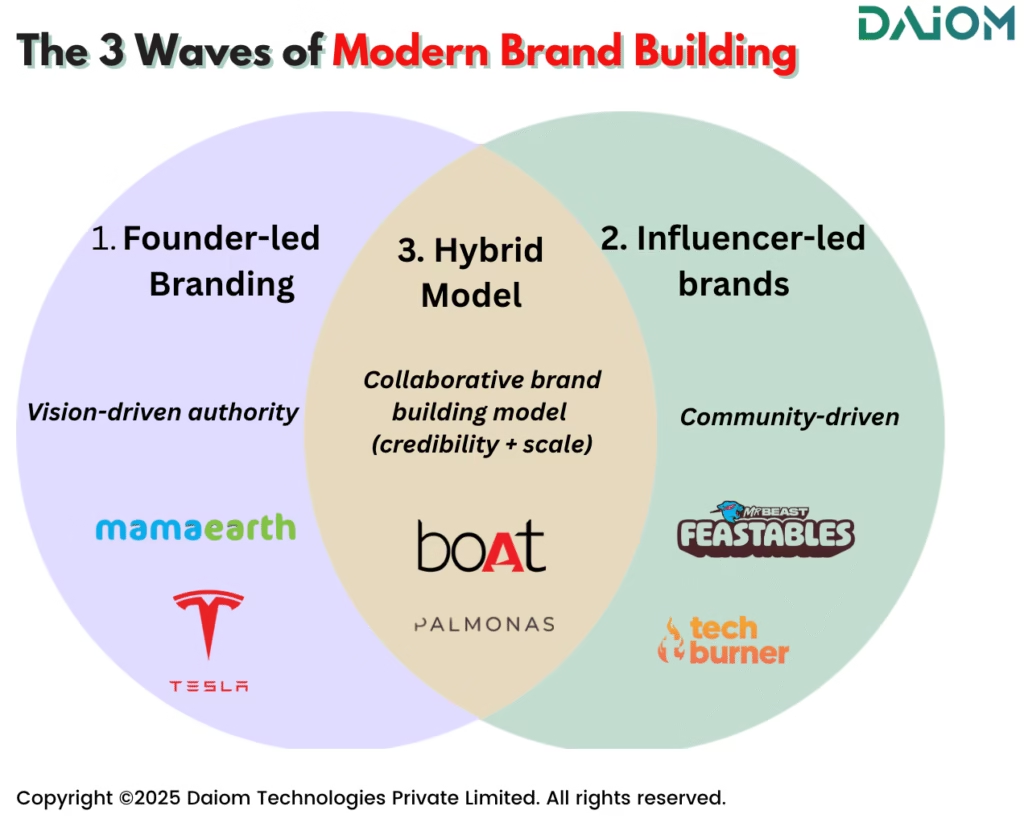
Lately, I’ve been noticing how the way brands are built has completely changed. It’s no longer just founders telling their own stories or influencers building hype online, it’s something in between.
First came the founder-led brands like Mamaearth or Tesla, where the story started with a vision. Then came the influencer-led brands, with creators like MrBeast turning audiences into communities. And now, we’re seeing this exciting hybrid model, where founders team up with celebrities to bring authenticity and scale together.
It’s fascinating to see how these worlds are overlapping to shape the next era of brand building.
2. Founder as the Brand: From Musk to Mamaearth
The first wave of this change was founder-led branding. These aren’t just business leaders, they’re the embodiment of the brand, shaping every message and product with their personal stories.
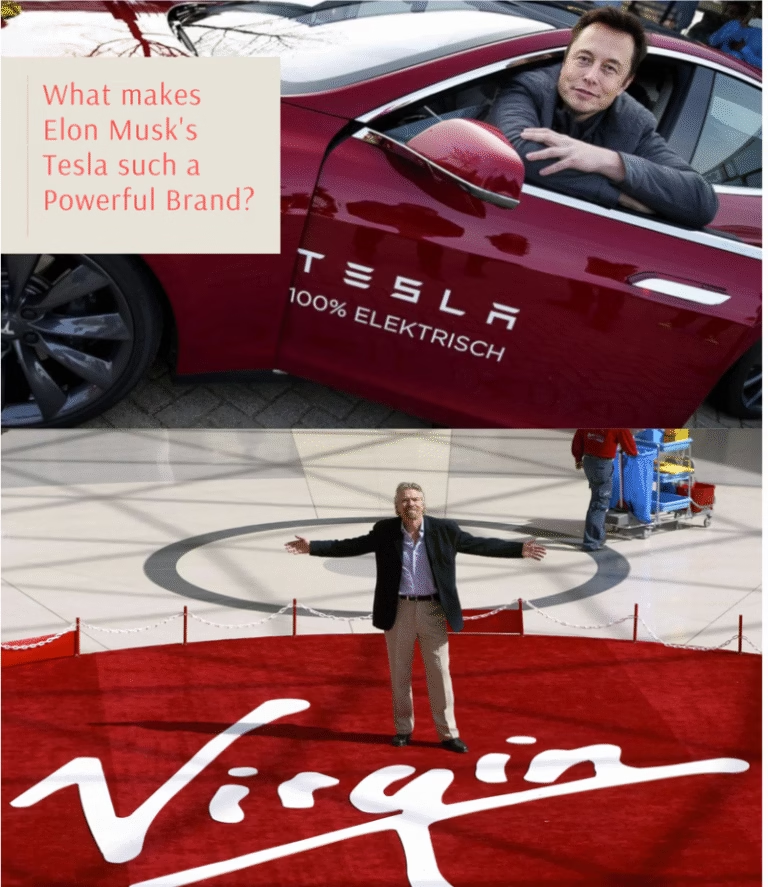
Elon Musk is perhaps the best-known example. Tesla isn’t just an EV company; it’s Elon’s vision of the future. His personality, tweets, and risks are inseparable from the brand. Similarly, Richard Branson’s Virgin wasn’t about planes or telecom, it was about Branson himself, the daredevil entrepreneur who made risk-taking look fun.
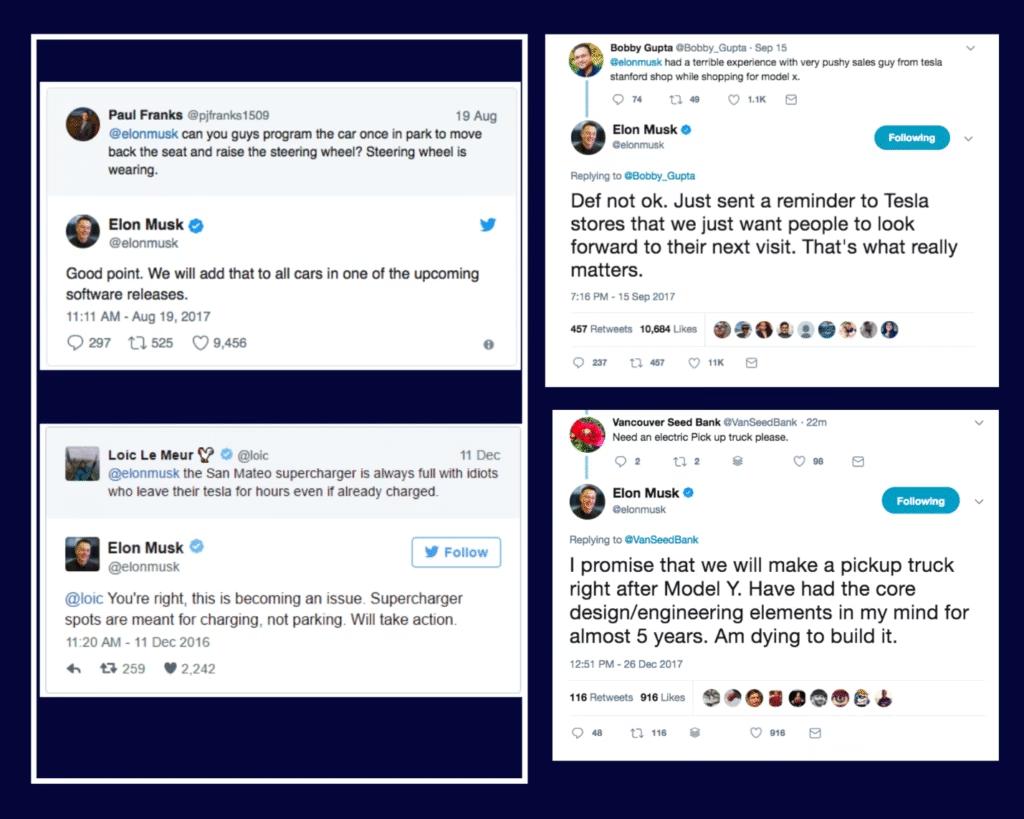
Below are some examples of Elon Musk’s distinctive Twitter engagement with Tesla customers, creating a more personal and connected experience for both existing and potential buyers. This approach strengthens Tesla’s image as a true ‘brand for the people.
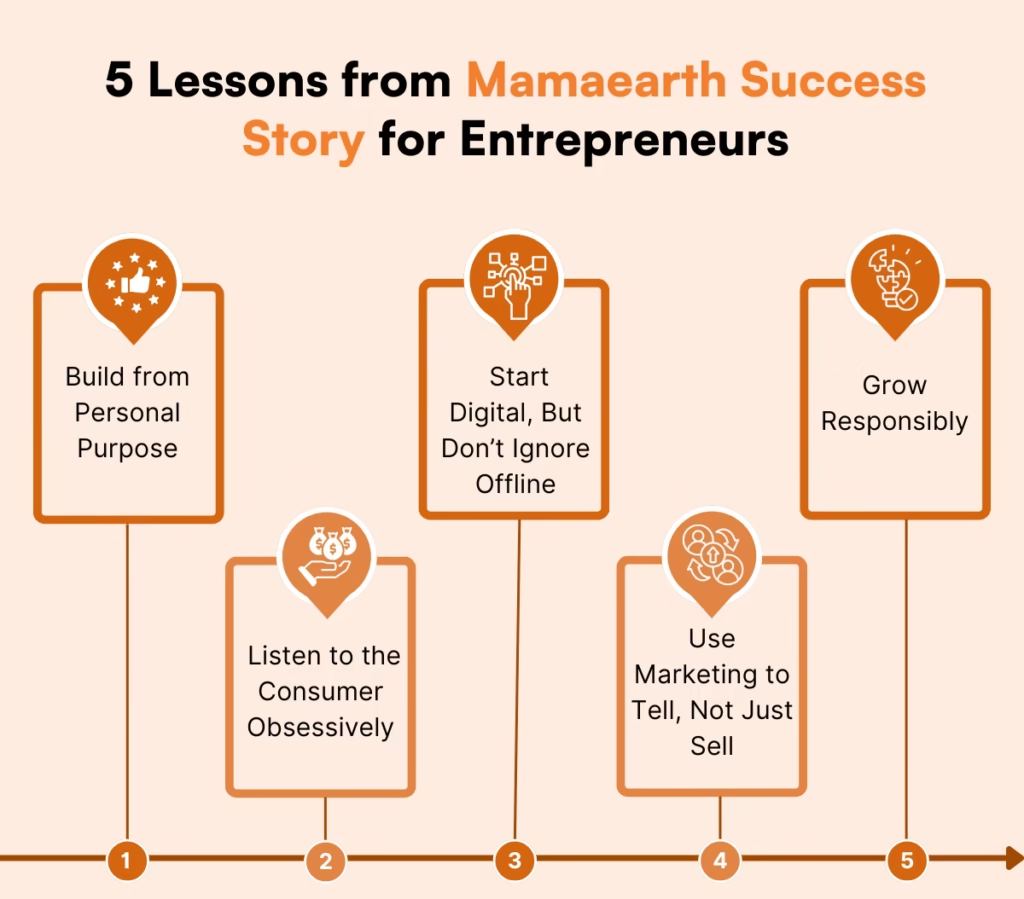
India’s D2C revolution has produced some seriously inspiring success stories, brands that started small, stayed authentic, and redefined their industries. From toxin-free skincare to honest food marketing, these homegrown brands have one thing in common: they deeply understand their consumers.
Let’s take a look at some of the biggest game-changers and what every entrepreneur or marketer can learn from them:
- Mamaearth (Ghazal Alagh): Her story as a mom looking for safe products for her baby became the brand’s story. Parents didn’t just buy lotion; they bought her trust.
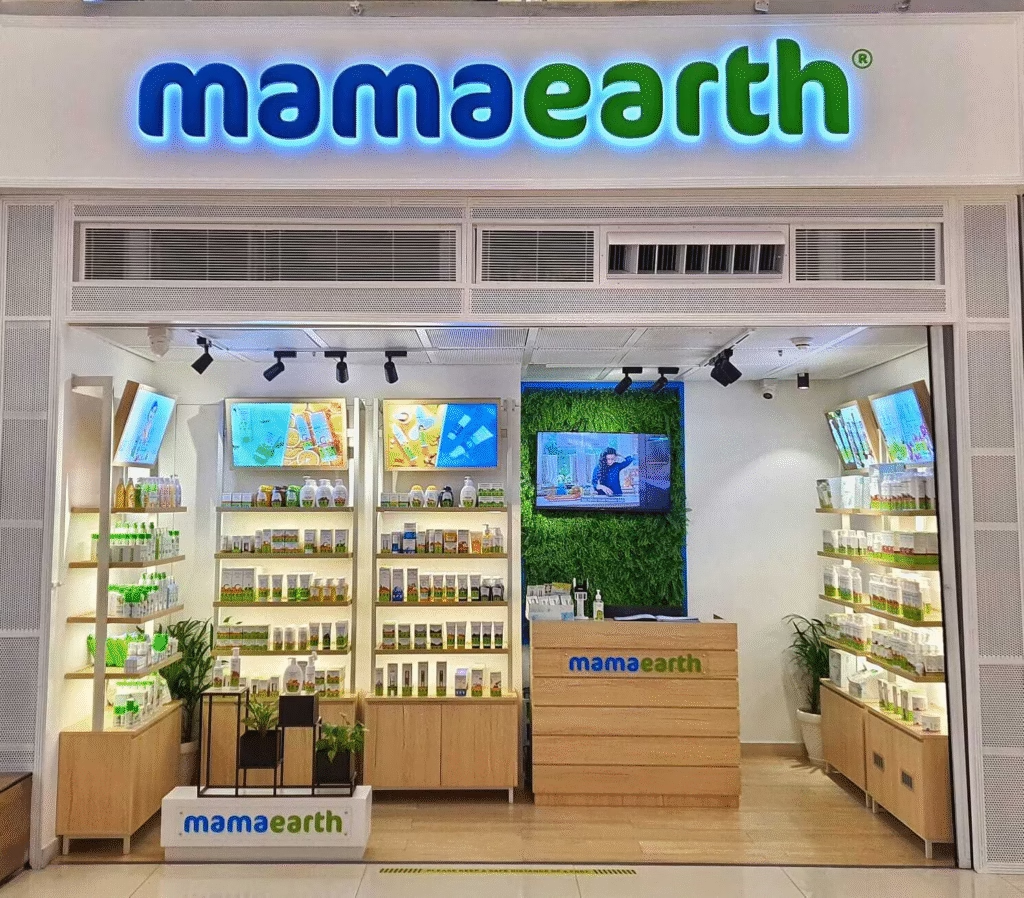
Mamaearth isn’t just another skincare brand, it’s a story of purpose turned into profit. Starting with a simple idea rooted in “safe for babies and moms,” Mamaearth built an entire ecosystem of toxin-free, natural products spanning baby care, hair care, and skincare.
When your brand purpose aligns with real consumer pain points, marketing becomes a conversation, not a campaign.
- Patanjali (Baba Ramdev): Patanjali’s rise is nothing short of explosive. From a modest start to clocking ₹2,000 crore in revenue, Ramdev’s yoga following became instant distribution. Millions trusted him before the first product hit shelves.
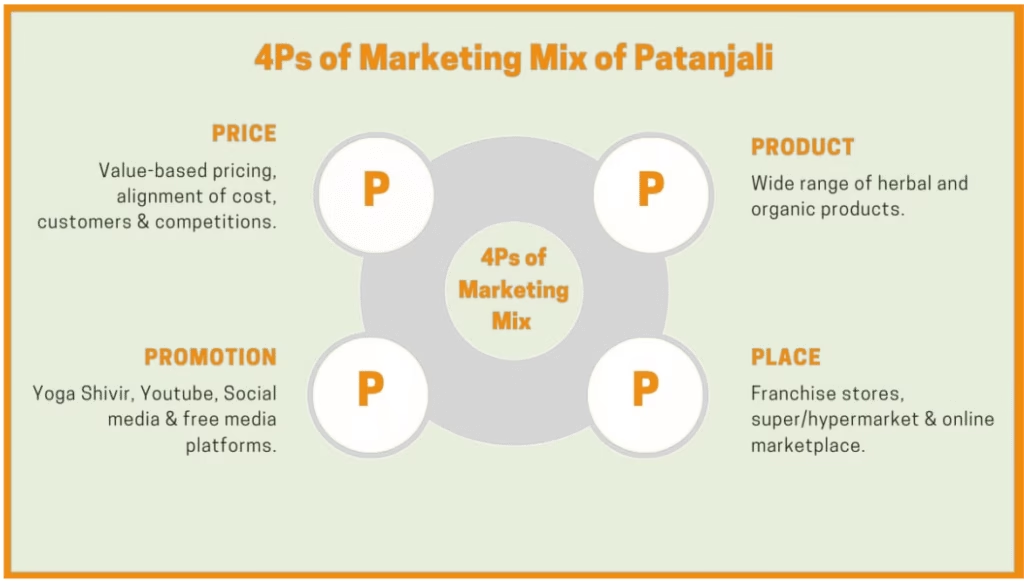
What powered this growth? A strong “Made in India” or “Swadeshi” positioning that connected with national pride, supported by Ayurveda, health-driven products, and mass accessibility.
- The Whole Truth (Shashank Mehta): In a world full of “healthy” snacks with fine-print lies, The Whole Truth took a bold stand: no half-truths, no misleading claims, just honesty.
Instead of hiding behind advertising, Shashank shared his personal food journey. His honesty became the product’s biggest selling point.
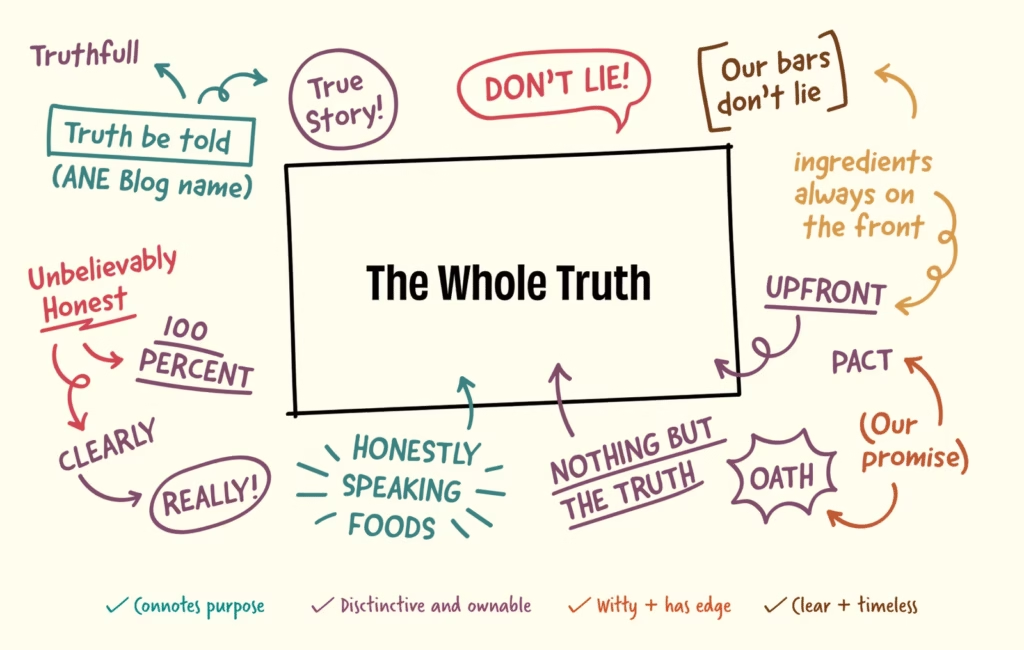
The brand chose transparency over trends. Every label says exactly what’s inside, no sugarcoating, literally. And that struck a deep chord with India’s new-age, health-conscious consumers.
From their clean branding to their witty, content-driven marketing, The Whole Truth proves that trust is the new currency in D2C.
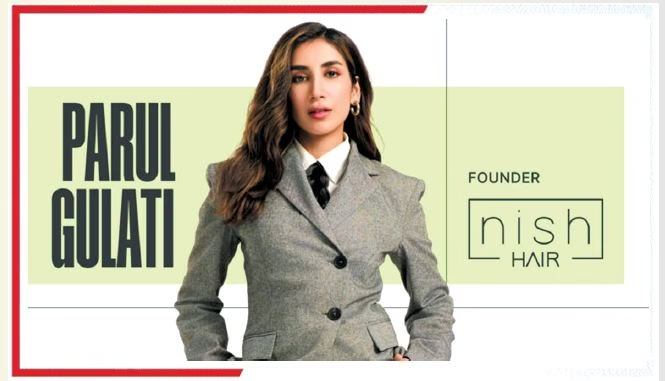
- Nish Hair (Parul Gulati): When Parul Gulati pitched Nish Hair on Shark Tank India, she didn’t just sell hair extensions, she sold confidence.
Born from her own experiences, Nish Hair focuses on high-quality, human hair extensions that are both accessible and authentic. Competing in a tough market, the brand stood out by blending product excellence with community-driven marketing.
Each brand understood their audience, owned their niche, and stayed consistent in purpose and storytelling. Whether it’s toxin-free skincare, transparent food, or confidence-boosting hair solutions, they didn’t just sell products; they built trust.
And in the world of D2C, trust is the ultimate growth hack.
But founder-led branding isn’t always smooth. Adam Neumann’s personality built WeWork into a $47 billion darling, then his excesses nearly killed it. Elizabeth Holmes built Theranos around her charisma, until the deception was revealed. Even Uber had to reset its brand after Travis Kalanick’s controversies.
The power of founder-led branding is also its risk: when the founder stumbles, the brand stumbles with them.
3. The Rise of Influencers as Brand Builders
While founders were becoming mini-celebrities, another wave was rising: influencer-led brands.
Unlike founders, influencers start with distribution. They already have communities who watch, listen, and trust them. That makes the leap to products much shorter.
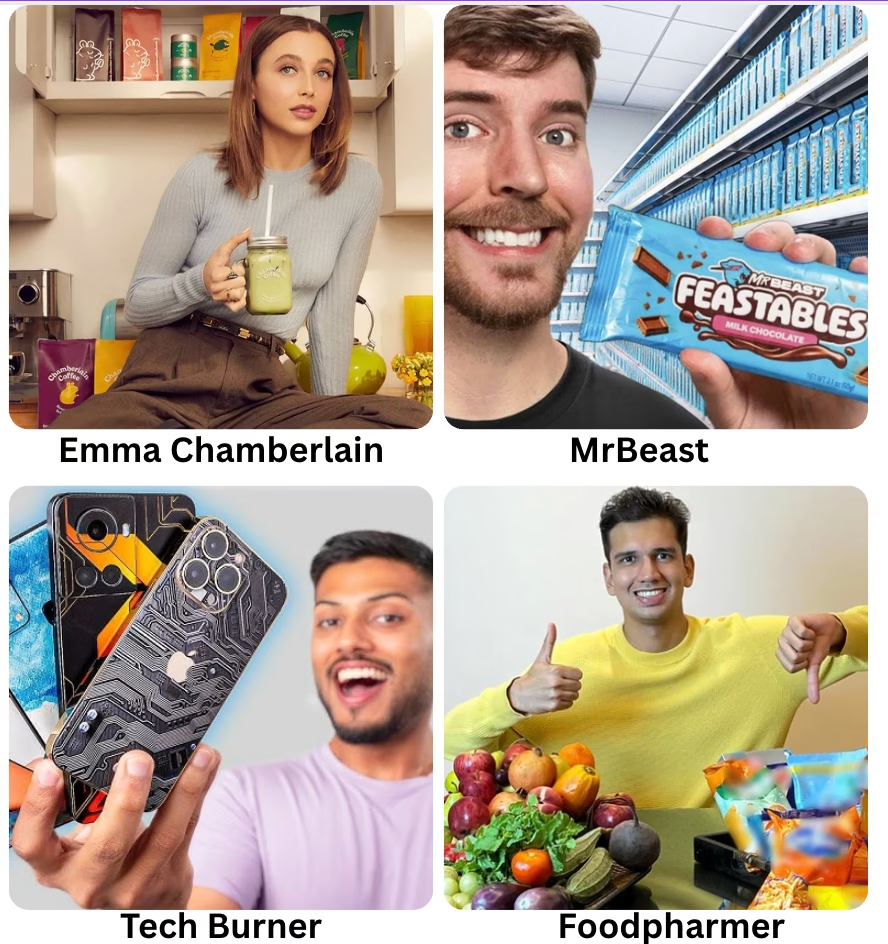
- MrBeast: With 200M+ YouTube followers, his chocolate brand Feastables and Beast Burger scaled overnight. Fans weren’t buying candy; they were buying into his world.
Feastables, his chocolate brand, raked in $250 million in revenue in 2024 and is poised to surpass his channel’s own earnings as his direct-to-consumer empire expands globally.
His fans weren’t just buying burgers or chocolate—they were buying into his world, his story, and the experience of being a part of his creative empire.
- Emma Chamberlain: Her audience was already accustomed to her love for coffee—so when she launched her own product, it felt like a natural extension, not a forced endorsement.
The branding matched her authentic persona, and her existing fans became instant customers who wanted to “drink coffee like Emma,” proving that fitting with influencer identity is crucial for success.
- Tech Burner (Shlok Srivastava): Tech Burner first built a community of tech enthusiasts through honest, entertaining gadget reviews. When he launched his own line of phone accessories, followers flocked to buy because his credibility in the tech space was already unmatched.
Fans trusted that if Tech Burner put his name on it, the products would be genuinely valuable and thoughtfully designed.
- Foodpharmer (Revant Himatsingka): Foodpharmer (Revant Himatsingka) gathered hundreds of thousands of followers by exposing food industry myths and advocating for healthy choices on Instagram.
When he launched his own nutritious food products, the transition was seamless. His audience already believed in his mission for better health and saw his products as logical, trustworthy next steps—rooted in the same transparency and evidence he built his platform upon.
But here too, authenticity is everything. Many influencers have launched merch lines (t-shirts, mugs) that quickly failed, because they felt like cash grabs. Once fans sense the disconnect, trust collapses.
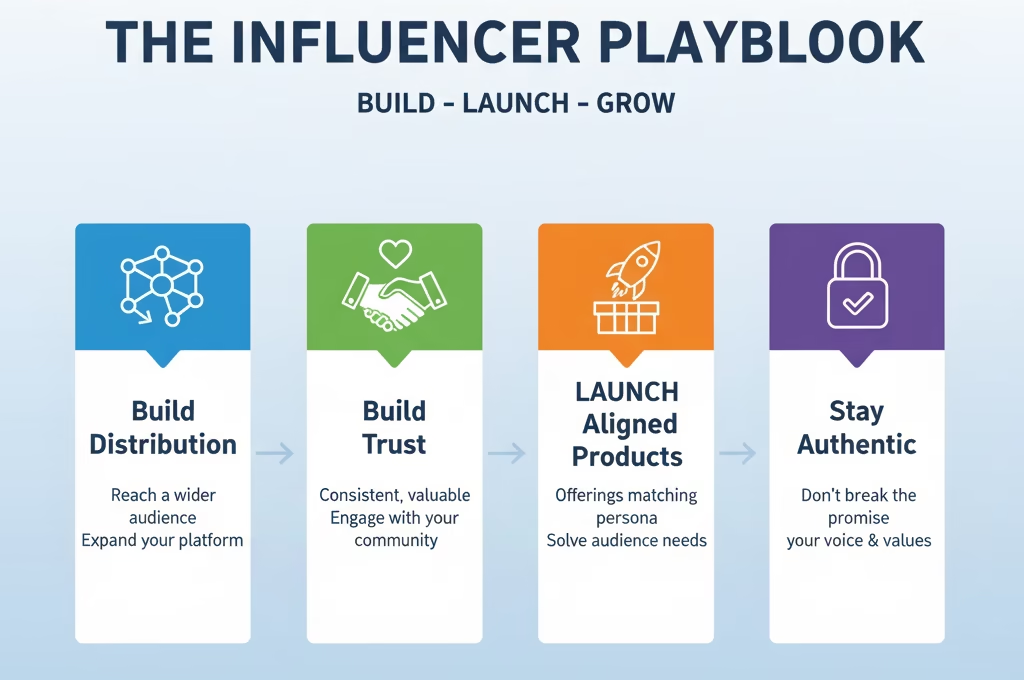
The influencer playbook is clear:
This model is thriving because fans want to buy into the world and values their favorite creators represent, not just the products themselves.
- Build distribution.
- Build trust.
- Launch products aligned with your persona.
- Stay authentic—don’t break the promise.
4. The Hybrid: When Founders Partner with Celebrities
The third model is a hybrid: founders bring the product, celebrities bring the amplification.
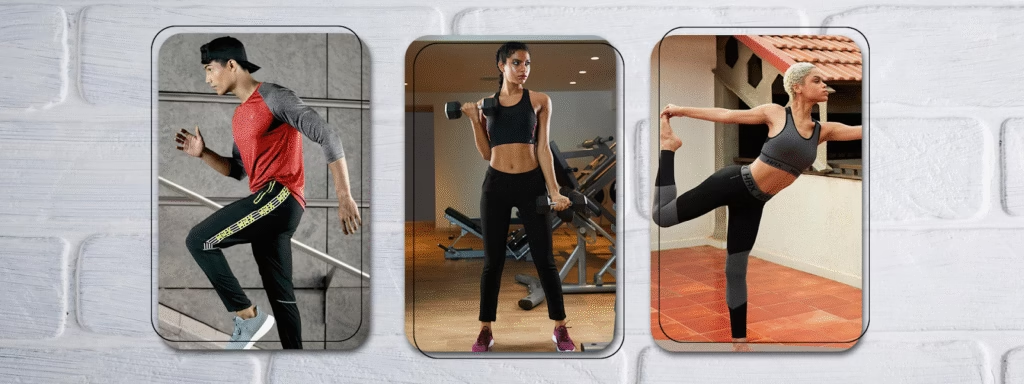
- HRX (Hrithik Roshan + Myntra): Hrithik Roshan’s personal fitness philosophy became the soul of the brand, centered around strength, discipline, and perseverance. But what truly fueled its scale was Myntra’s distribution power and digital ecosystem.
Together, they transformed HRX from a celebrity label into a serious athleisure brand.Lorem ipsum dolor sit amet, consectetur adipiscing elit. Ut elit tellus, luctus nec ullamcorper mattis, pulvinar dapibus leo.
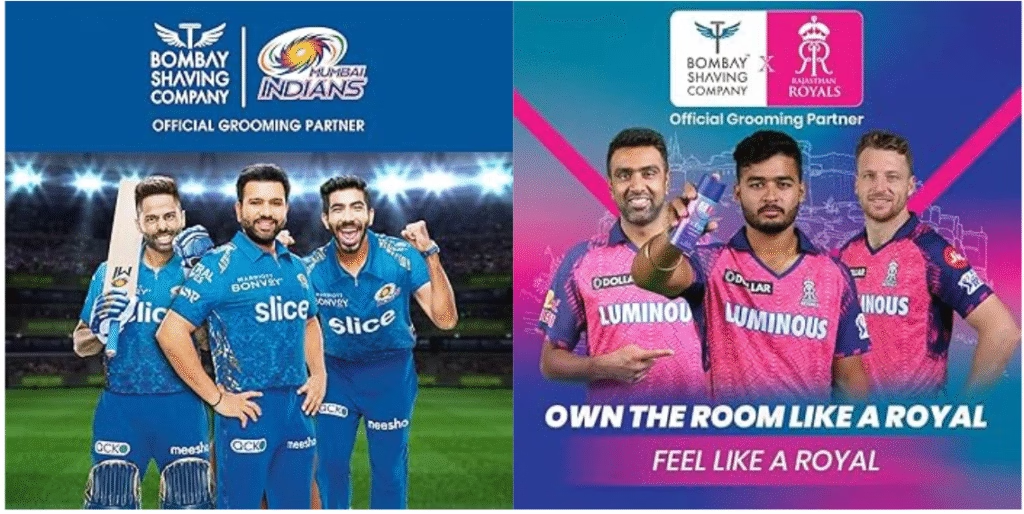
- Bombay Shaving Company(Shantanu Deshpande + IPL teams): Bombay Shaving Company combines founder-led authenticity with influencer and celebrity amplification to scale their reach. They’ve partnered with influencers, cricketers, and content creators, blending credibility with mass visibility, exactly what the hybrid model is about.
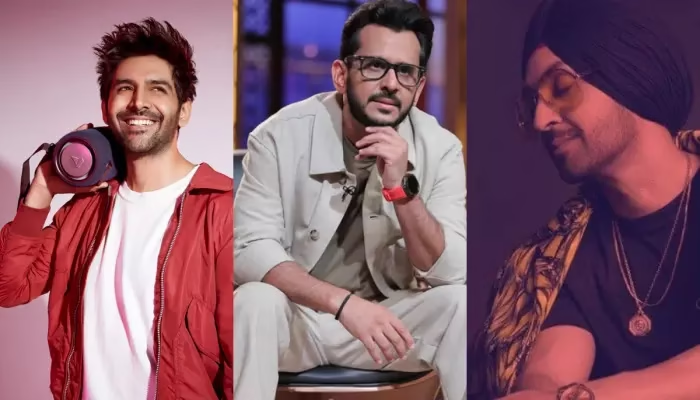
- Boat (Aman Gupta + Celebrities): While Aman Gupta drives the brand’s vision and youthful energy, collaborations with Kartik Aryan, Ranveer Singh, and others bring pop-culture appeal and mass awareness. It’s not just celebrity endorsements, it’s co-created relevance.
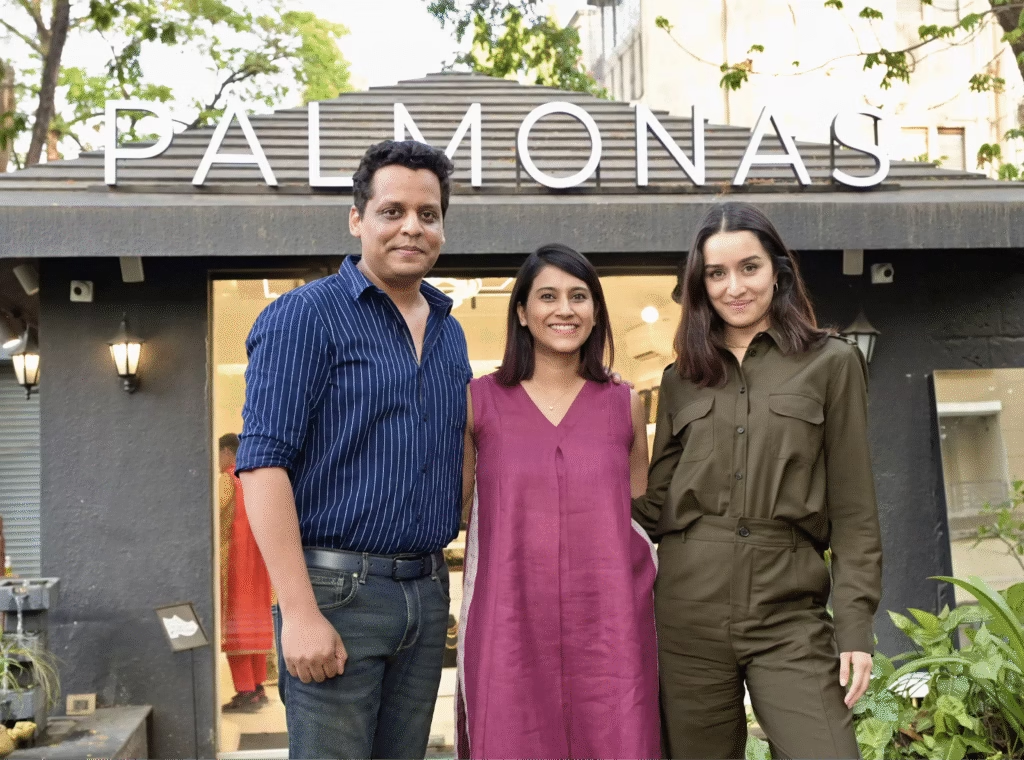
- Palmonas (fine jewelry): Palmonas shows how a brand can grow exponentially without relying on traditional retail. By leaning into influencer collaborations and celebrity-led campaigns, the fine jewelry label built strong social proof and digital desirability, turning Instagram into its biggest storefront.
But this format has pitfalls too. Consumers notice when celebrities switch loyalties. Shah Rukh Khan endorsing Pepsi for years, then jumping to Thums Up, felt inauthentic. Virat Kohli’s fitness-driven persona clashed with his endorsements of chips and soft drinks. Globally, Messi or Ronaldo switching between sponsors every few years weakens consumer belief.
Celebrities bring mass awareness, but rarely deep trust.
5. Trust, Distribution, and the Shark Tank Effect
One of the biggest catalysts of founder-led branding in India has been Shark Tank India.
For the first time, founders were treated like celebrities. Their pitches, stories, and struggles became prime-time entertainment. Viewers didn’t just remember the product, they remembered the person.
Parul Gulati with Nish Hair is a perfect example. Her emotional pitch about hair insecurities struck a chord. The brand exploded online, not because of a marketing campaign, but because the founder herself became relatable.
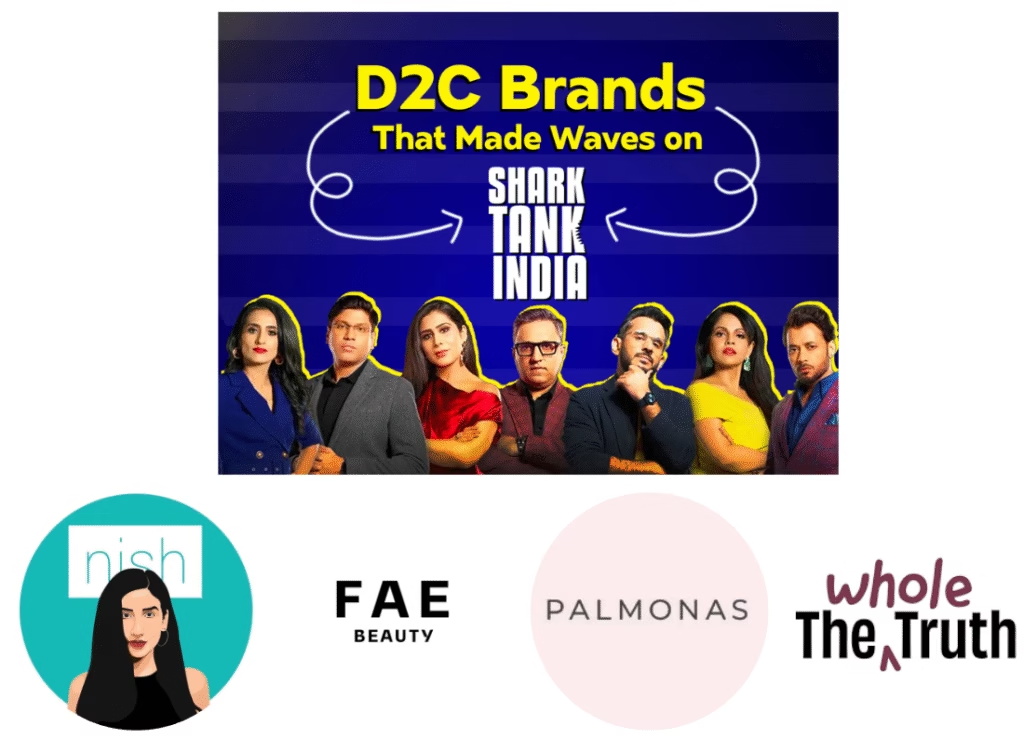
This is where D2C especially shines. D2C brands often struggle for distribution in physical retail. But when the founder or influencer builds digital-first distribution through social media, it replaces the shelf space. Palmonas, The Whole Truth, Foodpharmer—all scaled this way.
In today’s world, attention is the new distribution. Whoever controls attention controls sales.
6. What This Means for the Future of D2C and Tech
This shift is especially powerful in D2C and tech.
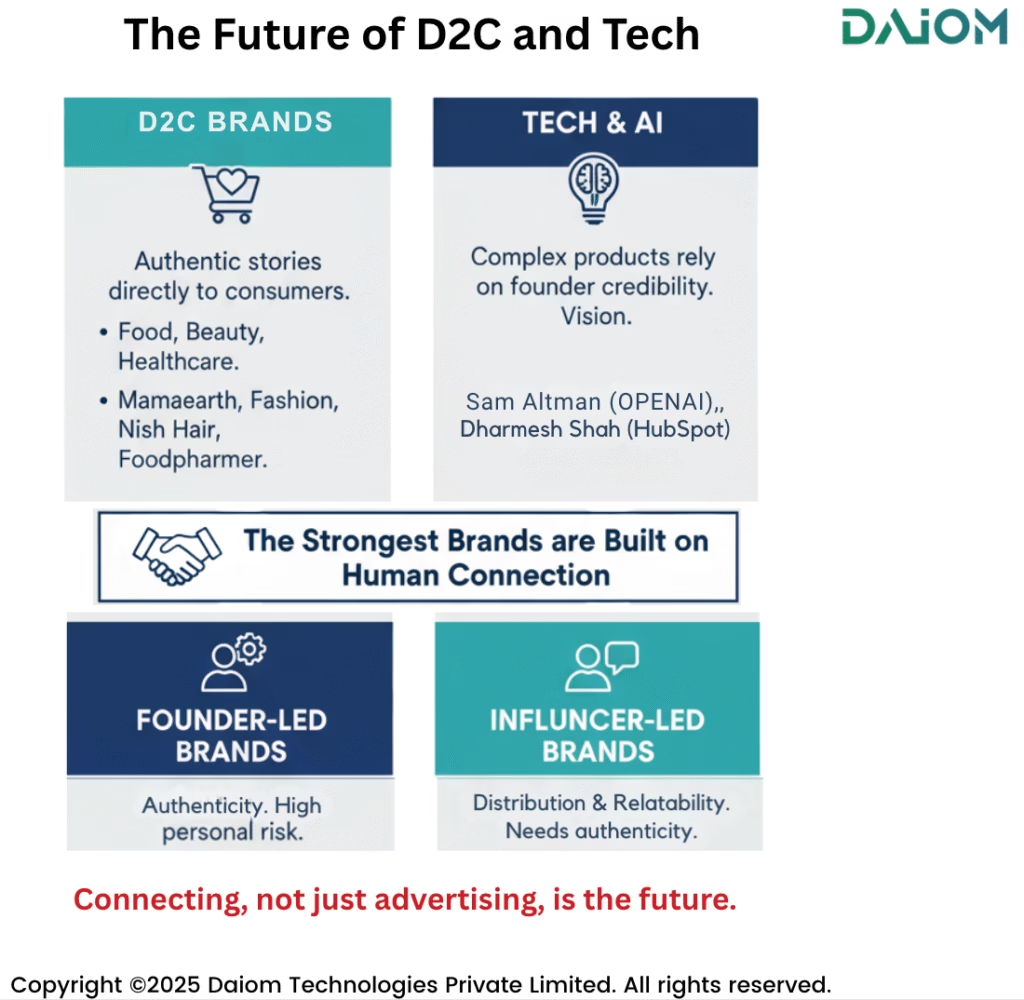
- D2C: Brands in food, beauty, fashion, and healthcare thrive when they tell authentic stories directly to consumers. Mamaearth, Nish Hair, and Foodpharmer are proof.
- Tech and AI: Complex, intangible products rely heavily on founder credibility. Sam Altman (OpenAI), Dharmesh Shah (HubSpot), or Elon Musk don’t just sell products; they sell vision.
The truth is, the strongest brands of tomorrow will not be built on ads alone. They’ll be built on human connection.
- Founder-led brands give authenticity but carry high personal risk.
- Influencer-led brands give distribution and relatability but need authenticity to sustain.
- Celebrity partnerships give reach and visibility, but often lack loyalty.
The real winners will blend all three. A great founder story, amplified by influencers, validated by celebrities.
Because in the end, consumers don’t just buy products anymore.
They buy people, stories, and trust.
If you’d like to discuss how we can help optimize your Omnichannel Marketing strategies, we’d be happy to set up a consultation call. Feel free to reach out to us at alibha@daiom.in.
For more informative content and blog, follow and stay tuned to DAiOM!
Subscribe to our NEWSLETTER!