
The biggest question on every marketer’s mind today is, where is the traffic really coming from?
With the rise of AI platforms like ChatGPT, Perplexity, and Gemini, brands are turning to new tools to uncover these sources. Yet, in chasing the next big thing, many overlook the fundamentals of SEO.
Too often, brands misread search intent, depend on outdated tactics, or overlook the fundamentals that actually drive visibility and trust. The real opportunity lies in understanding how search is evolving with AI, and using simple, actionable strategies to stay discoverable, credible, and connected with the right audience in this fast-changing landscape.
The problem? Most brands don’t know how to track this AI traffic. And if you’re not tracking it, you’re basically flying blind.
The brands winning the AI era will be those optimizing beyond rankings. They’ll optimize citations, mentions, and structured answers—because in an AI-dominated SERP, what gets cited, wins. Tracking that impact is the new SEO ROI.
Neil Patel
Let’s break down the top AI platforms, why AI traffic is the new frontier, and how you can measure it using free Google tools.
Table of Contents:
1. Why You Should Track AI Traffic
AI platforms drive just 0.15% of all internet traffic right now, tiny compared to the 48.5% from traditional search. Google still sends 300x more traffic to websites than all AI platforms combined.
But the shift has begun. That 0.15% may sound small, but it’s a 7x jump in just one year — from 0.02% in 2024. And if that curve continues, we’re looking at a whole new era of discovery taking shape right in front of us.
AI-driven traffic is no longer a futuristic concept, it’s happening right now. Platforms like ChatGPT, Perplexity, and Google Gemini are sending visitors directly to websites, often with higher engagement and purchase intent. But most brands don’t know how to measure this traffic effectively.
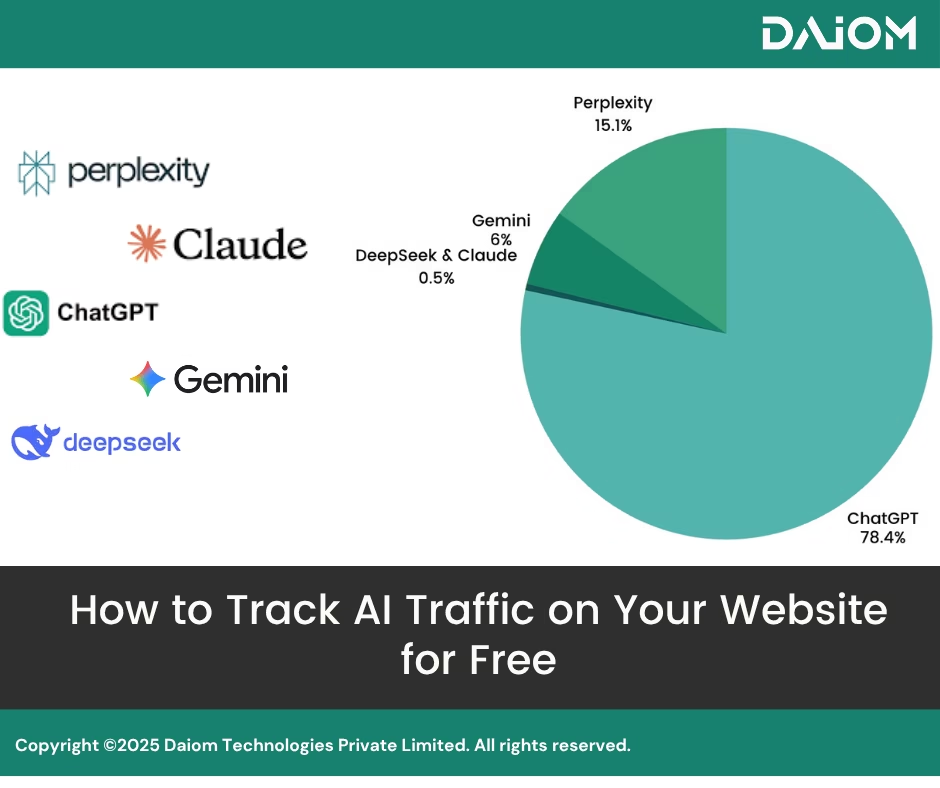
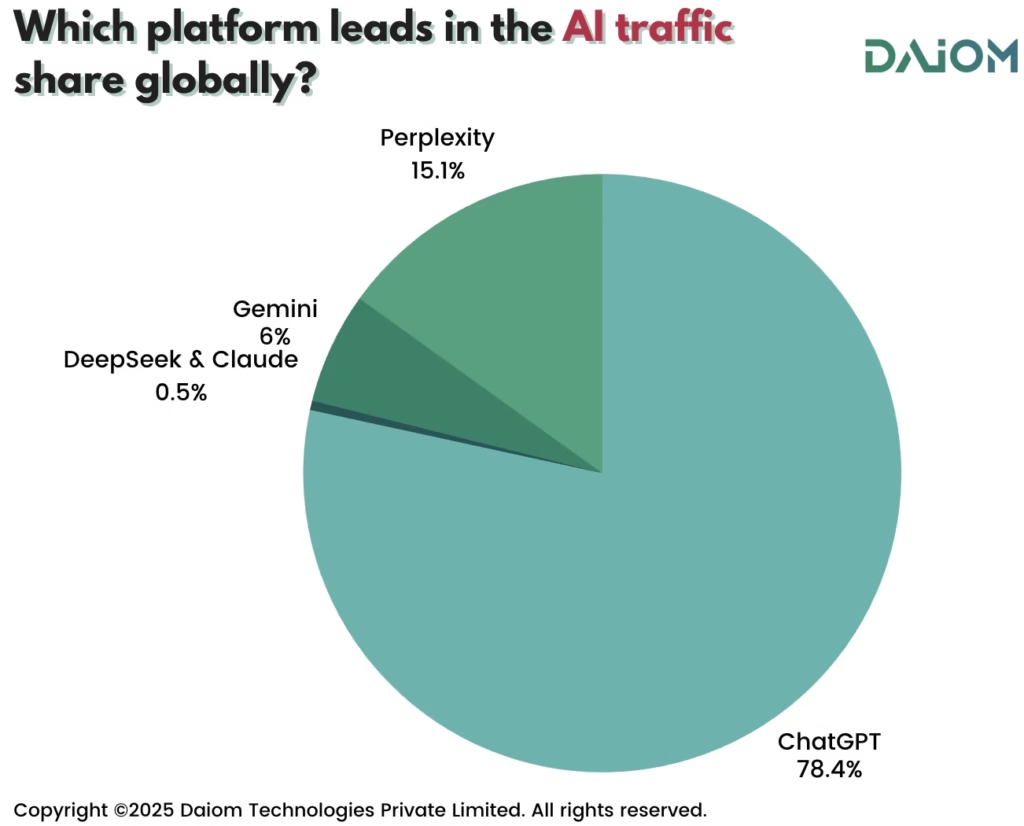
ChatGPT absolutely dominates the AI traffic game, with nearly 78% of all visits, it’s clearly the front-runner.
2. Top 4 AI Platforms
SEO isn’t dead, it’s just evolving. While Google organic search is still huge, AI search is creating a new way for people to discover your content. People ask AI tools for recommendations, research, and solutions, and that traffic can be more engaged and ready to convert.

Let’s see the top 4 AI platforms brands should look out for –
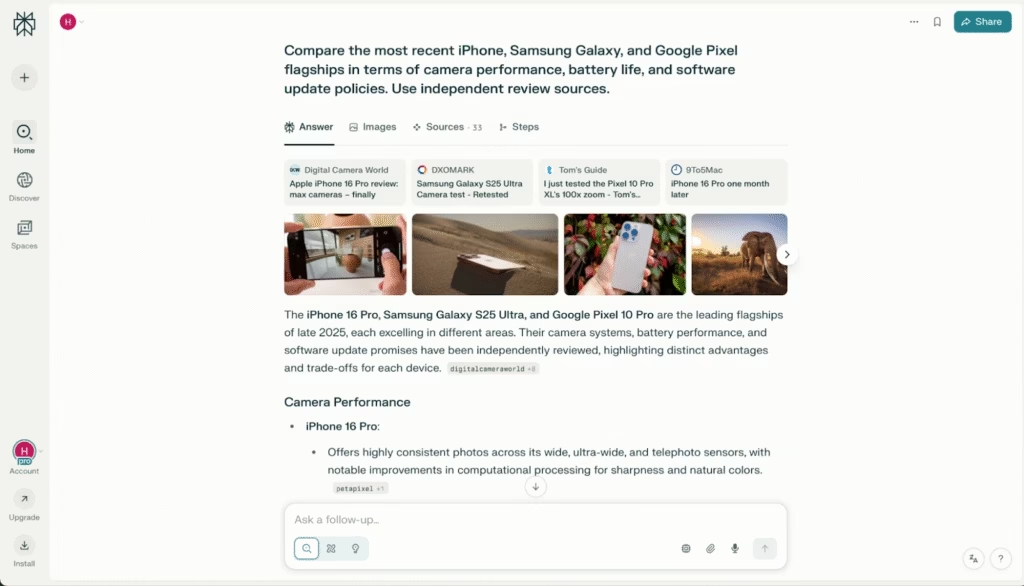
- Perplexity: Lately, I’ve been spotting a new traffic source popping up in analytics — Perplexity. It’s not just a search engine, it feels more like a smart assistant that remembers what you asked and lets you dig deeper with follow-ups.
Perplexity is quietly redefining how people discover and interact with content, and if you’re seeing AI-driven traffic, this might be one of the key players behind it.
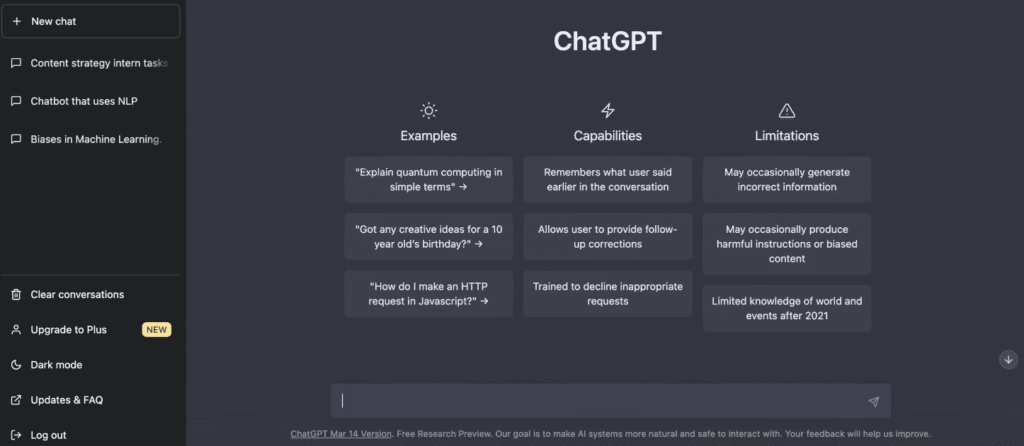
2. ChatGPT: The number of visitors coming from ChatGPT is growing everyday, many finding links through shared chats or custom GPTs.
What makes it interesting is how conversational discovery works here, users often ask, refine, and explore multiple sources before clicking through.
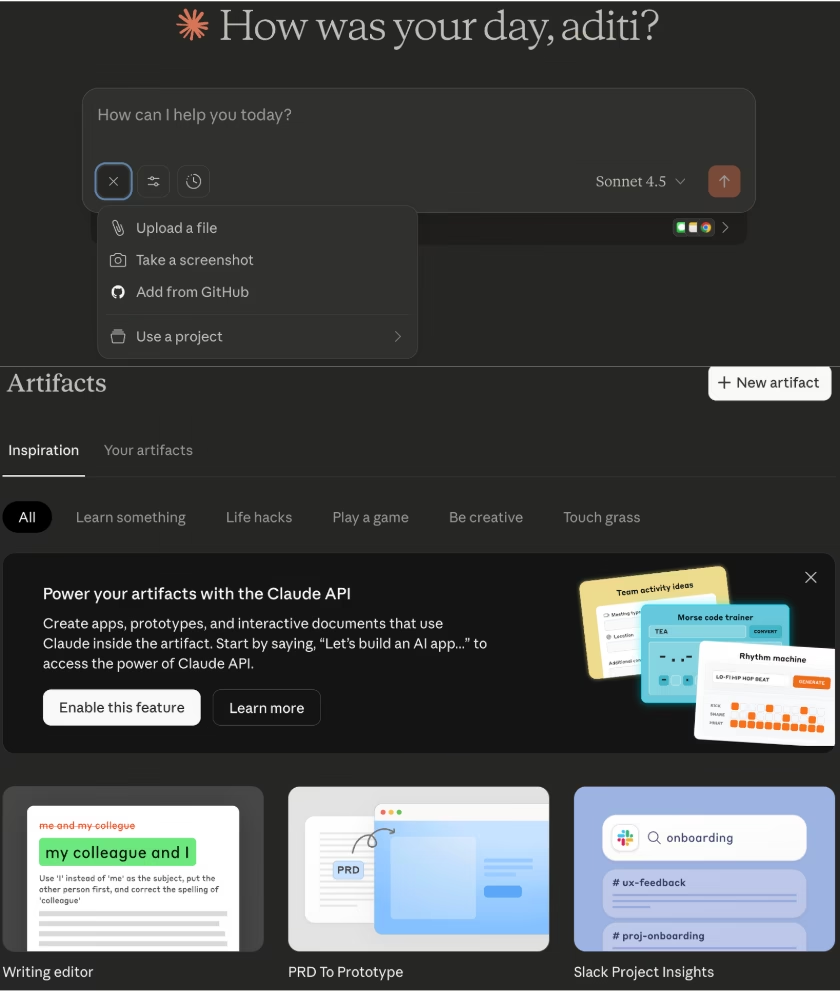
3. Claude: Claude by Anthropic is a quieter but surprisingly powerful player. It’s built to be safe, balanced, and conversational, and some of its users are starting to click through to brand sites directly from summaries or document uploads.
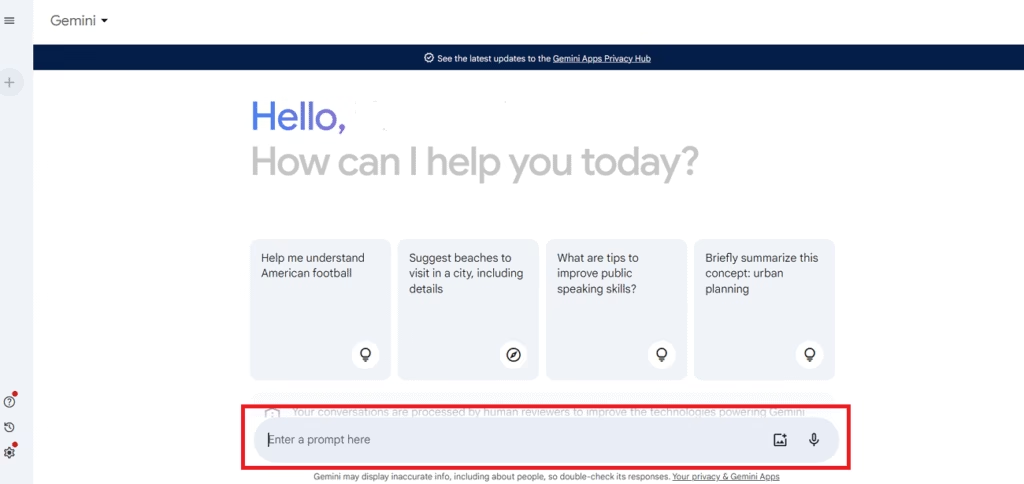
4. Gemini: Gemini is a different story, while it’s one of the most advanced AI models out there, its traffic currently can’t be tracked in tools like GA4 or GSC. Still, its reach is expanding fast within Google’s ecosystem.
Tracking this traffic helps you answer important questions:
- Which pages attract AI visitors?
- Are AI visitors more engaged than regular search traffic?
- Is your brand being recommended by AI tools?
Knowing these answers now will help you stay ahead as AI search becomes more common.

Why AI Traffic Matters:
- Visitors spend more time on your pages, exploring content thoroughly.
- Bounce rates are lower compared to regular search traffic.
- These users are further along in the decision-making process, meaning higher conversion potential.
- Free tools like Google Analytics 4 (GA4) and Google Search Console (GSC) can help track where AI traffic is coming from.
- Tracking AI traffic allows you to optimize content, improve SEO, and align strategies with audience behavior.
2.1 Tool 1: Google Analytics 4 (GA4)
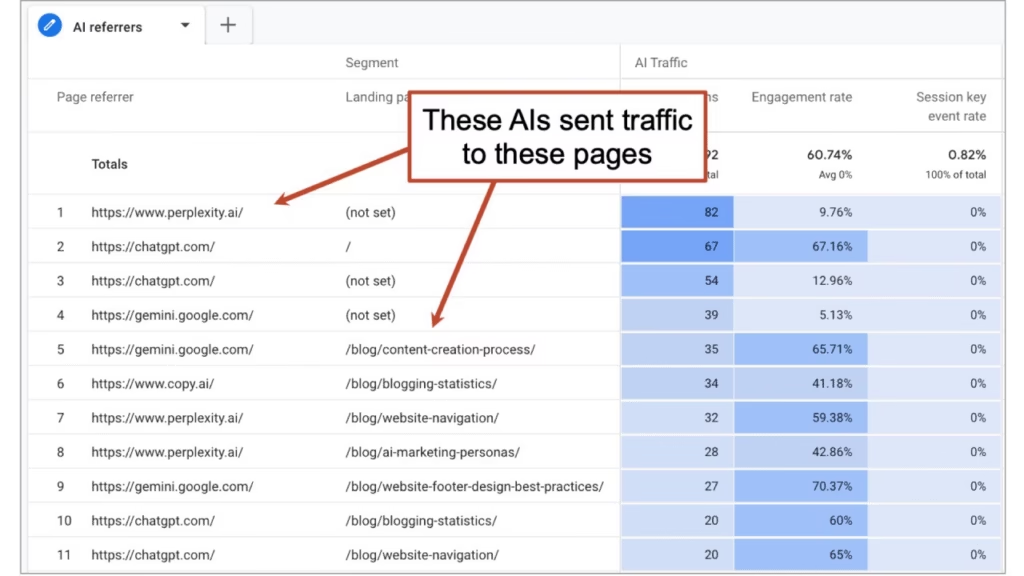
GA4 lets you track traffic coming from AI platforms like ChatGPT, Perplexity, and Google Gemini.
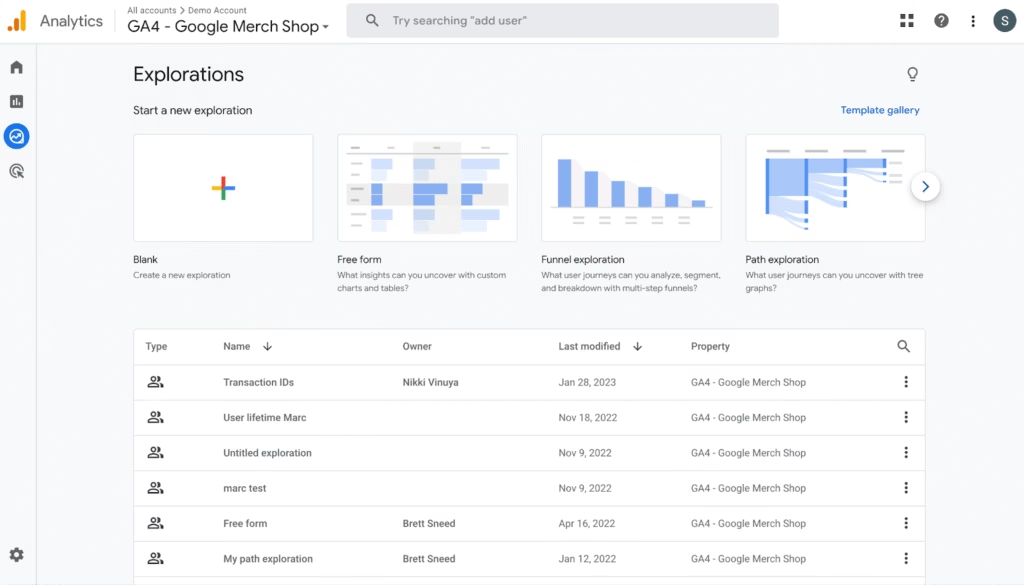
- Open your GA4 account.
- Go to Reports
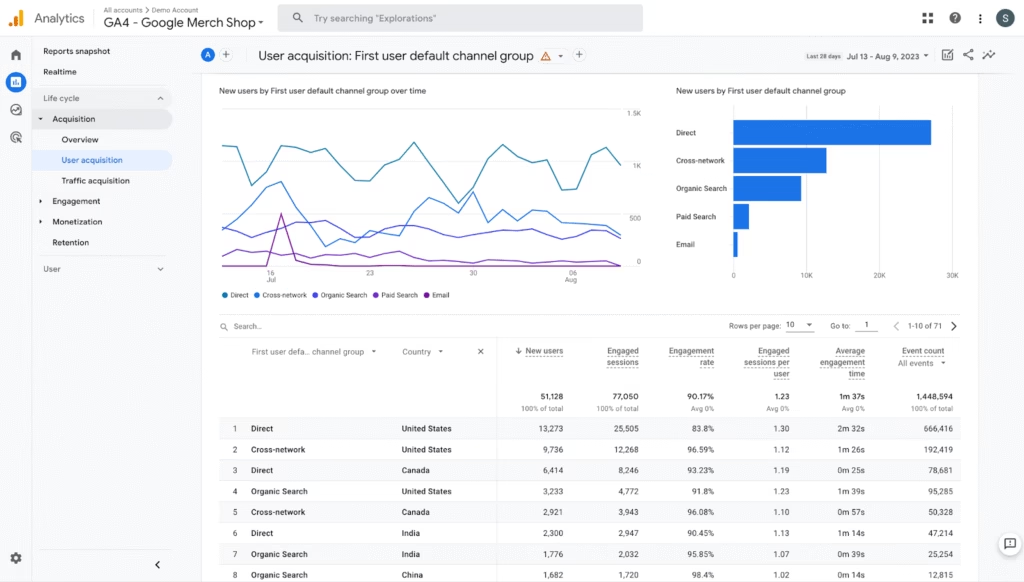
- Go to Acquisitions -> Traffic acquisition
In the table, click the dropdown above the first column (it usually says “Session default channel group”).
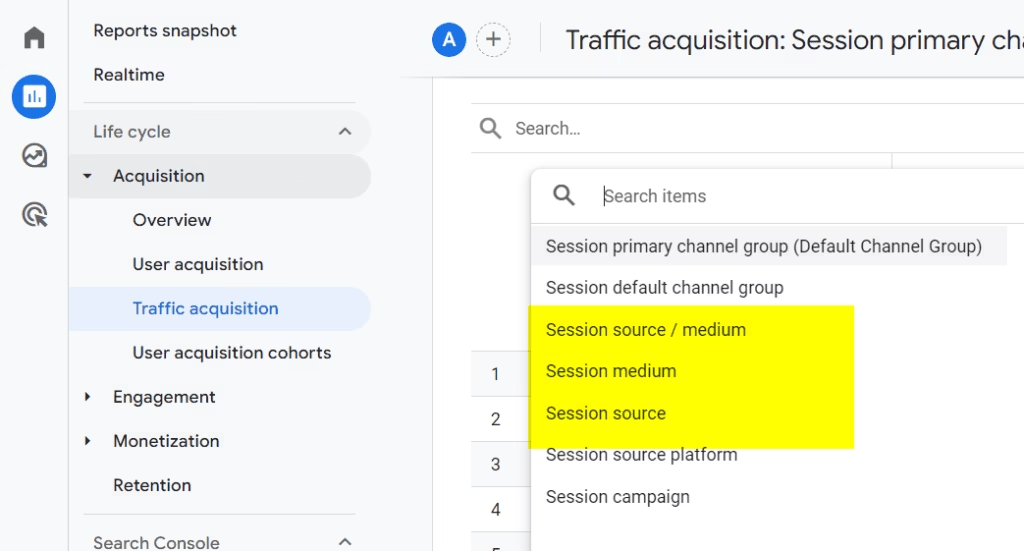
- Choose Session source/medium — or select Session source.
- Search for traffic coming from Chatgpt, perplexity, gemini etc.
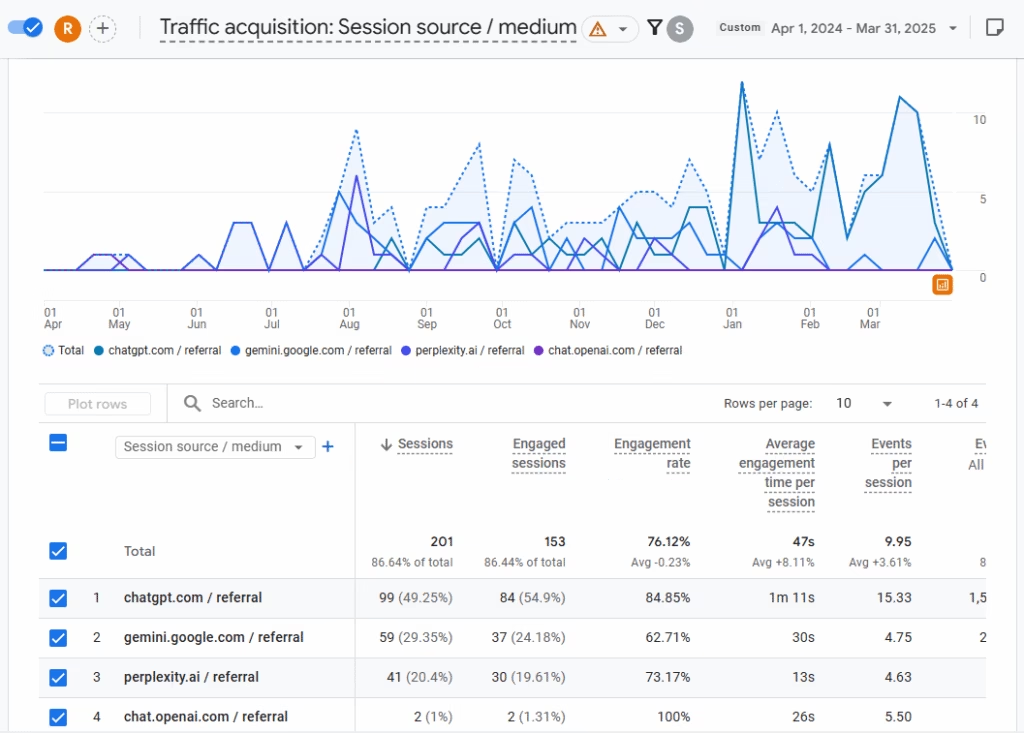
Analyze:
- Which AI platforms are sending visitors
- Which pages they engage with most
- How these users behave compared to traditional traffic
Pricing: Free, included with GA4.
2.2 Tool 2: Google Search Console (GSC)
GSC shows how your content is performing on Google, including in AI-powered search results. You can identify which queries trigger AI responses, see the clicks and impressions your pages receive, and understand which content is being recommended by Google’s AI features.
Follow the given steps to check AI traffic:
- Log in to Google Search Console.
- Go to Performance → Search Results.
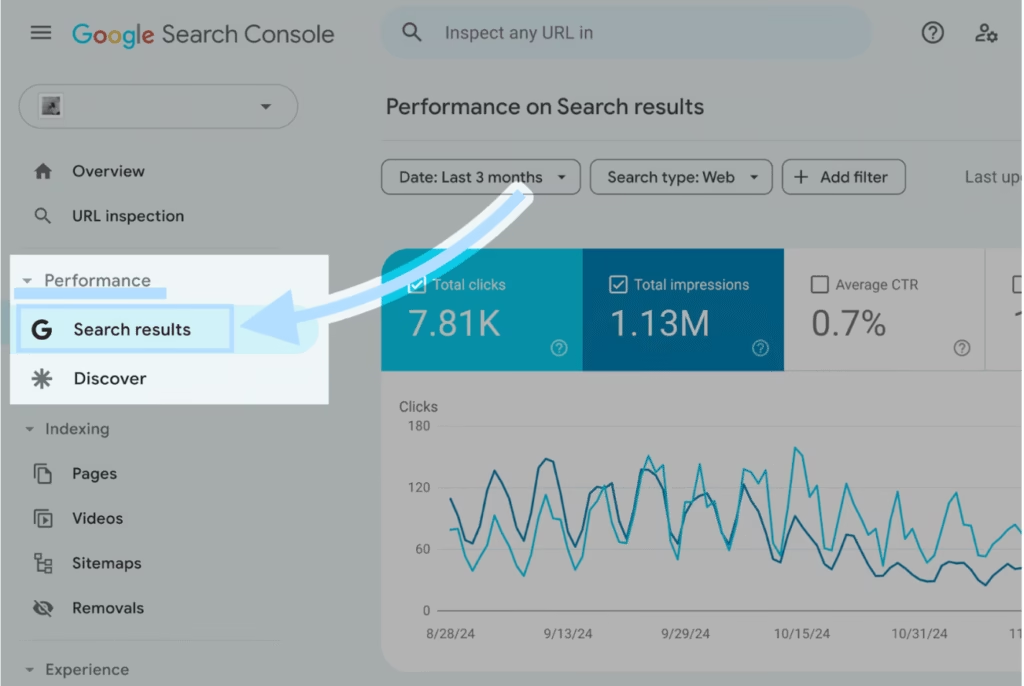
- Check which queries are showing AI-generated results or AI Overviews.
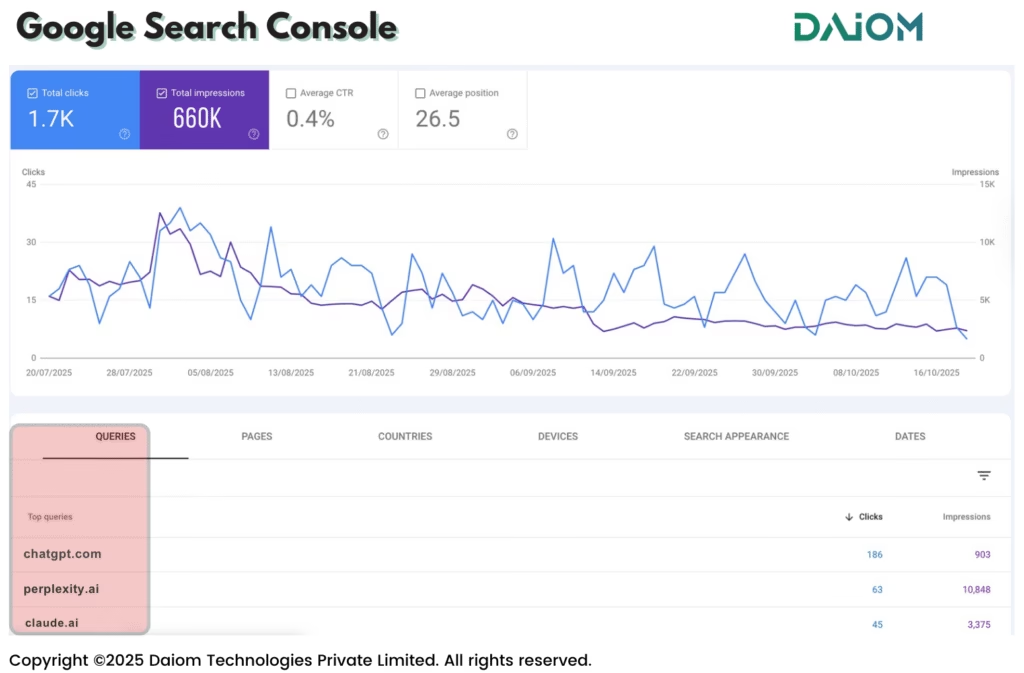
- Review the clicks and impressions your pages get from these queries.
- Identify which content is being recommended or boosted by Google’s AI features.
What you’ll learn:
- Which pages AI is recommending.
- How many clicks and impressions your content is getting from AI results.
- Pricing: Free.
Tracking AI traffic gives brands valuable insights into new sources of discovery, helping optimize content and marketing strategies. You’ll know which pages attract high-intent visitors, how they interact, and where to focus efforts to boost engagement and conversions—all without spending a dime.
3. How to Get Traffic from AI
AI-powered platforms like ChatGPT, Perplexity AI, Google Gemini, and Claude are quietly reshaping how people discover brands. Instead of browsing endless Google results, users now ask AI directly—“What’s the best store locator tool?” or “Which skincare brand uses natural ingredients?”
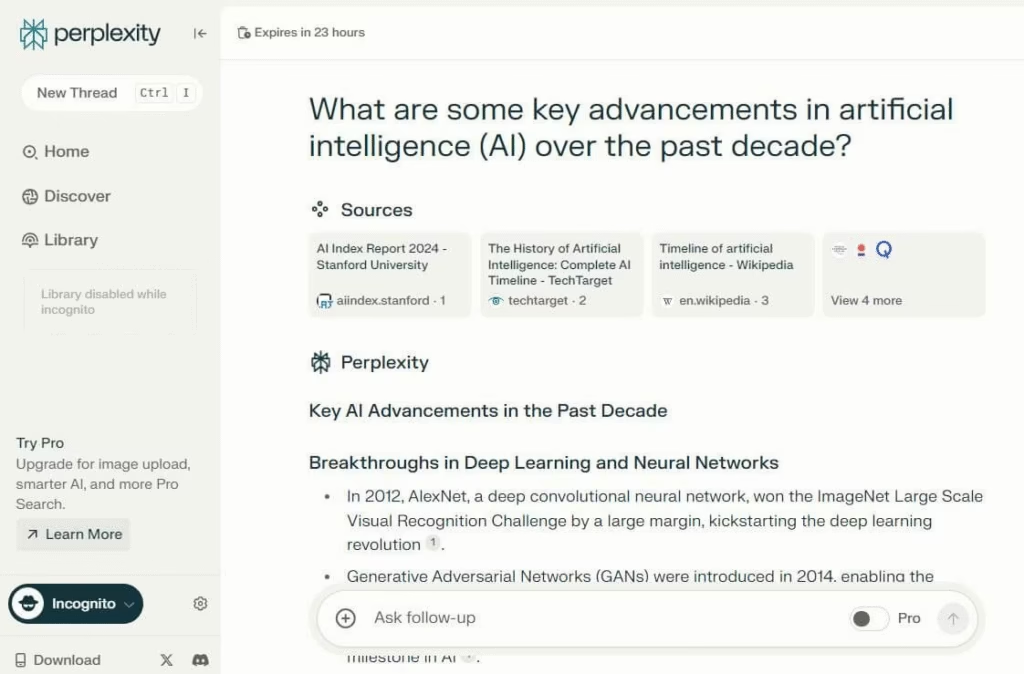
The best part? These AI tools don’t just recommend random links, they send qualified, ready-to-engage visitors straight to websites/sources. For emerging brands, that’s a huge opportunity.
Here’s how to make AI search work for you:
- Answer Questions Clearly and Upfront
AI models love clarity. They look for content that answers questions right away, not halfway down the page.
Try this:
- Use headings that sound like real questions (“What is omnichannel retail?”)
- Give a direct 2–3 sentence answer, then add detail below
- Use tools like AnswerThePublic or Google’s “People Also Ask” to find real user queries
- Keep It Simple and Skimmable
AI (and readers) prefer structure over fluff. Break things down so your content feels effortless to read and summarize.
Try this:
- Use short paragraphs (2–3 lines)
- Add bullet points, lists, and tables
- Summarize key points
- Build Credibility (E-E-A-T Still Rules)
AI engines highlight content that feels expert, trustworthy, and real, especially from newer brands trying to earn credibility.
Try this:
- Add short author bios and showcase your expertise
- Back up insights with data, examples, or customer stories
- Link to credible sources or your own research
- Think Conversational
People don’t “search” on AI, they “ask.” That means your content should sound natural and conversational.
Try this:
- Target long-tail, question-style phrases (like “How do I get featured on Perplexity AI?”)
- Write in a human tone, less keyword stuffing, more clarity
- Monitor forums or social threads to see how your audience talks
- Add Schema and Structured Data
Structured data (like FAQ or HowTo schema) helps AI know exactly what your content is about.
Try this:
- Use SEO plugins like Yoast or RankMath to add schema
- Test it using Google’s Rich Results Tool
- Start with simple schemas—FAQs, Articles, or Products
- Keep Content Fresh and Visual
AI tools prefer updated, multimedia-rich content, because it signals freshness and expertise.
Try this:
- Refresh old blogs with recent stats or examples
- Add infographics, videos, or quick visual summaries
- Show update dates on your posts
Freshness = credibility. AI loves recent, relevant info.
AI search isn’t about quick wins. It’s about building authority and visibility over time. Even if users don’t click right away, being cited by AI engines boosts brand awareness and trust.
4. Conclusion
SEO today isn’t just about Google, it’s about being discoverable wherever your audience searches. The best part? Both are free tools that help you track AI-driven traffic.
With GA4 and Search Console, you can:
- Identify AI referral sources.
- Measure engagement.
- See which content works best.
AI search is the next wave of organic discovery. For growing brands, it’s a chance to show up in conversations, not just in search results.
Focus on answering clearly, updating often, and earning credibility—and you’ll find your brand showing up where it matters most: inside the AI tools your customers already use.
Start tracking AI traffic today—your brand (and future self) will thank you!
If you’d like to discuss how we can help optimize your Omnichannel Marketing strategies, we’d be happy to set up a consultation call. Feel free to reach out to us at alibha@daiom.in.
For more informative content and blog, follow and stay tuned to DAiOM!
Subscribe to our NEWSLETTER!
https://youtu.be/PQVu79v3ZPM