POEM helps brands understand where their growth really comes from—by aligning paid, owned, and earned channels to improve distribution, reach the right audience, and drive better marketing outcomes.
Table of Contents:
Most brands aren’t failing because they aren’t marketing; they’re failing because they’re marketing through a narrow lens.
Some over-invest in performance marketing and ignore their website. Others double down on SEO and lose out when social media shifts. Many legacy brands, built on TV and offline channels, missed the rise of digital and lost their cultural edge.
Companies using a disconnected, single-channel approach see up to 250% lower engagement and miss out on 24–25% in potential revenue growth compared to those using integrated, multi-channel strategies.
Ads without strategy. Content without context. Brand-building without trust. When each piece runs solo, the whole system breaks. That’s why modern marketing needs more than tactics; it needs alignment!
In today’s landscape, strength in one channel isn’t enough. Brands need a balanced presence across Paid, Owned, and Earned media.
This is where a useful framework like POEM comes in—helping brands align their Content, Distribution, and Action to drive real marketing outcomes.
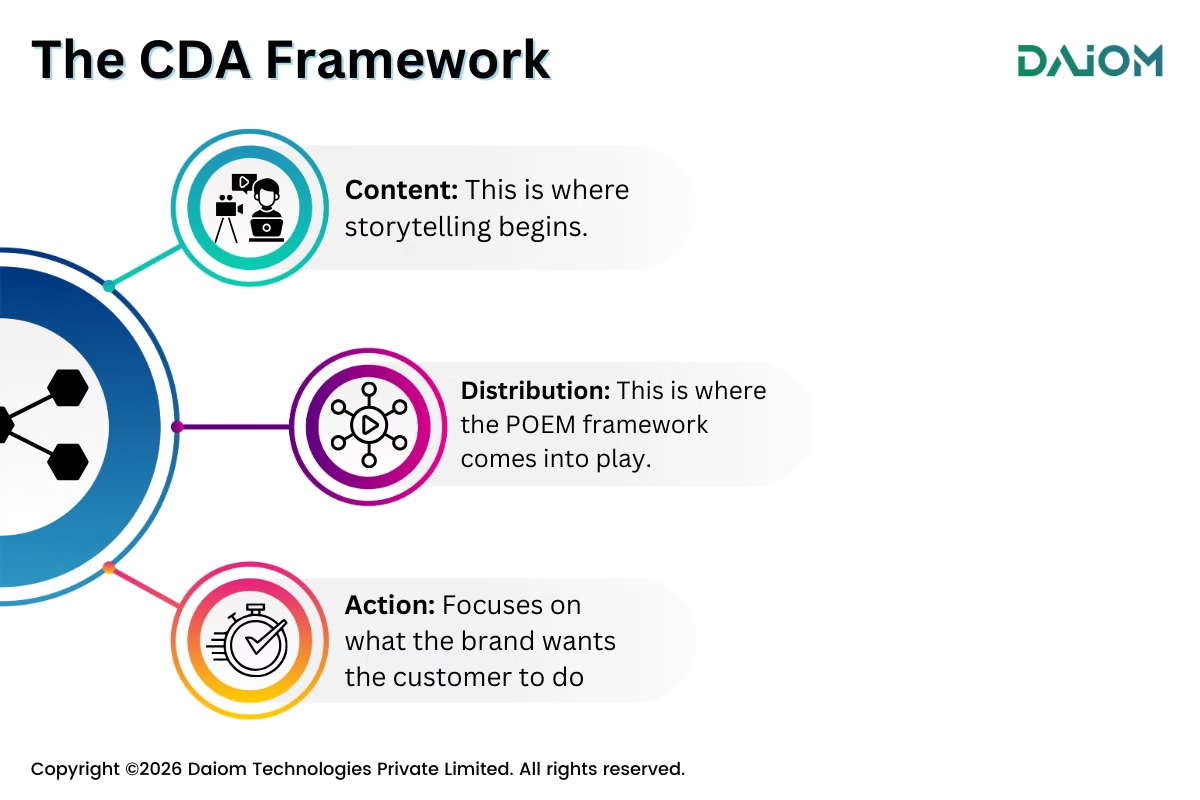
Brands that align Paid, Owned, and Earned media through a unified strategy see up to 32% higher ROI and improved customer retention across touchpoints.
A simple but powerful way to connect your Paid, Owned, and Earned media into a strategy that compounds. Whether you’re trying to fix underperforming campaigns & analytucs or finally scale what’s working, POEM brings the clarity most businesses are missing.
“POEM transforms every touchpoint into a powerful connection, turning strategy into growth and engagement into loyalty.”
1. Understanding POEM
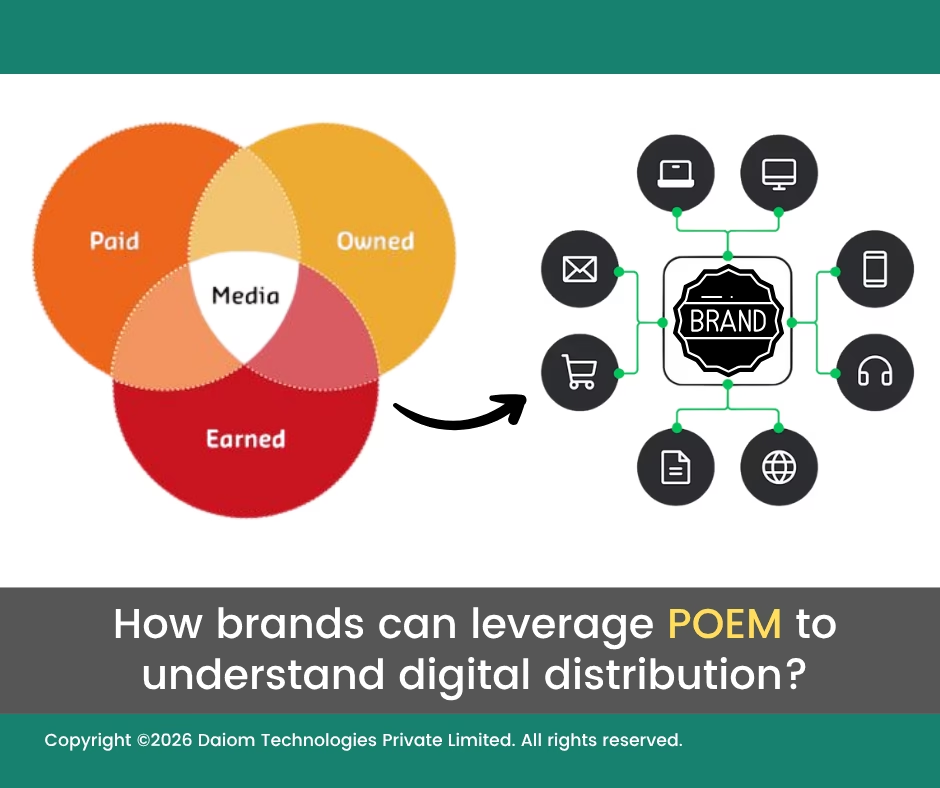
POEM stands for Paid, Owned, and Earned Media — a simple but powerful way to categorize your omnichannel marketing efforts. It wasn’t created as a trend or buzzword; it was born from necessity.
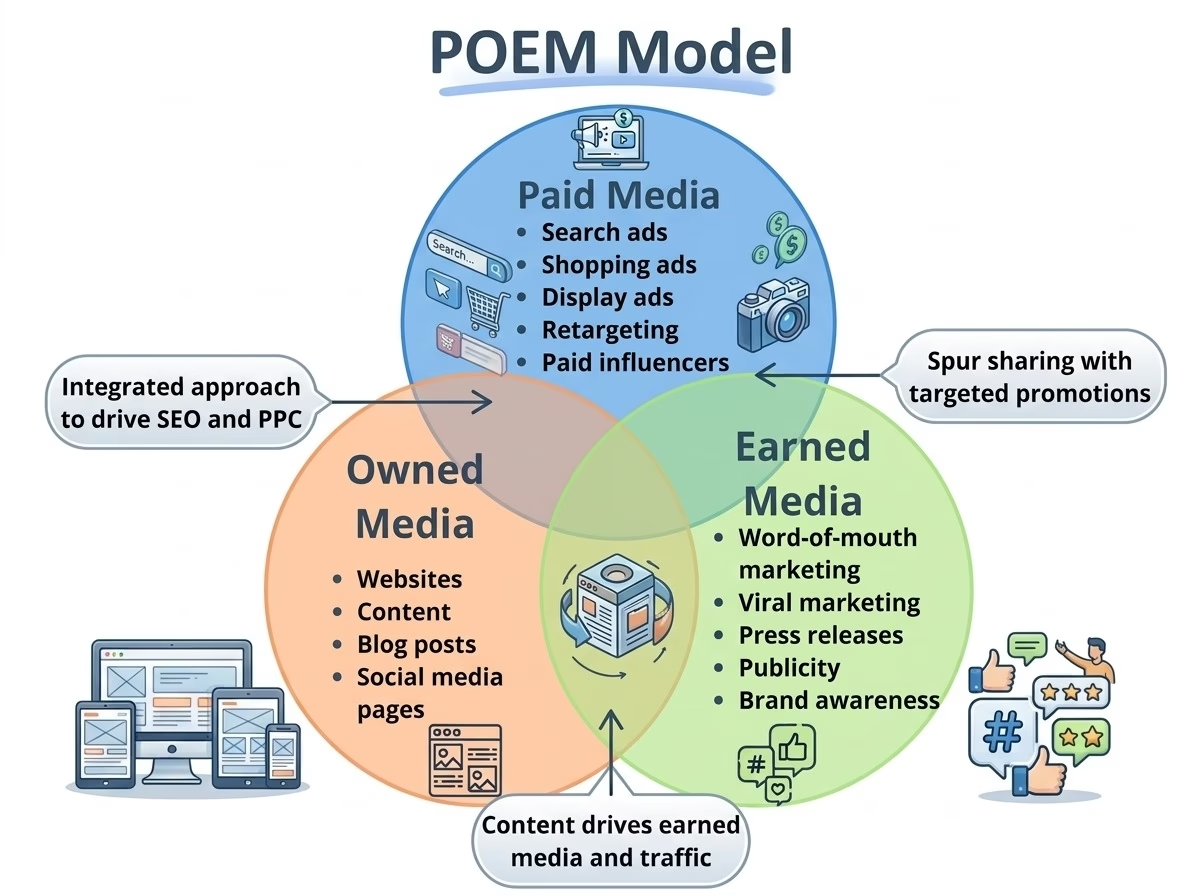
Where Did the POEM Framework Come From?
The POEM framework—short for Paid, Owned, and Earned Media—was first introduced by Forrester Research in 2009. It came at a time when digital & omnichannel marketing was becoming more complex and brands needed a clear way to organize analytics in how they reach customers.
In a December 2009 blog post, Sean Corcoran from Forrester credited early adopters like Nokia and agencies like R/GA for pioneering the categorization, which later evolved into the formal POEM model widely used in digital and omnichannel marketing today.

Before POEM, most marketers separated traditional media (like TV and print) from digital media. But POEM offered a simple structure to bring everything together:
Paid: What you pay for—like ads.
Owned: What you control—like your website or app.
Earned: What you gain—like reviews or shares.
Over time, POEM became a go-to model for planning analytics and campaigns, measuring media performance and analytics, and building stronger brand strategies across omnichannel channels. It’s still widely used today because it’s flexible, clear, and helps teams work better together.
“The terms ‘earned, owned, and paid (aka bought) media’… have become very popular in the interactive marketing space today.”
— Sean Corcoran, Forrester Research (December 2009)
Here’s what each part means:
1.1 Paid Media
Paid media in omnichannel exposes you to pay to drive reach and traffic, like Google Ads, sponsored Instagram posts, or influencer collaborations.
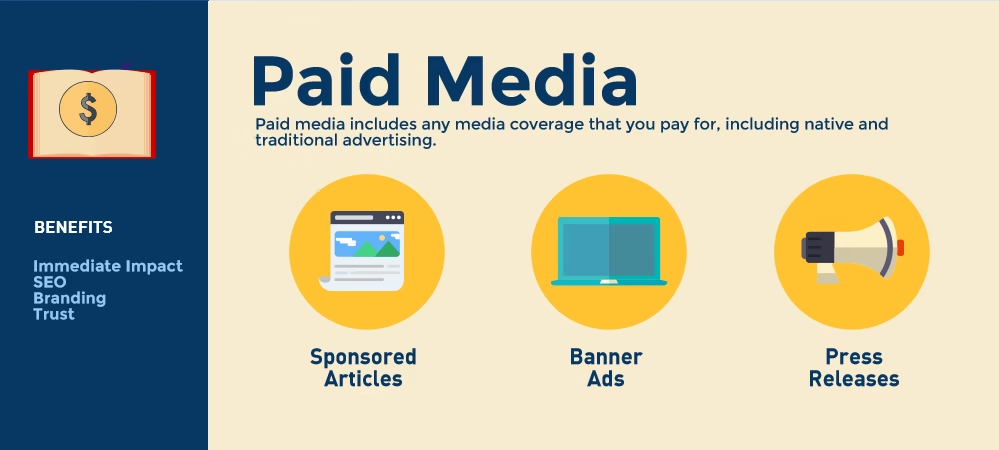
- Paid Media includes all the marketing channels you pay to access, like search ads, social media ads, sponsored posts, or influencer collaborations.
- It matters because it gives you instant visibility and targeted reach, especially when you’re trying to get in front of new audiences.
- In the POEM model, Paid is the entry point — it brings people in, but it only works if it’s backed by valuable Owned content.
- To do it right, brands should focus on clear targeting, compelling creatives, and linking their ads to meaningful destinations like landing pages, blogs, or product stories.
1.2 Owned Media
Owned media in omnichannel refers to content and platforms you control and manage directly, such as your website, blog, email newsletters, or brand’s social media profiles.
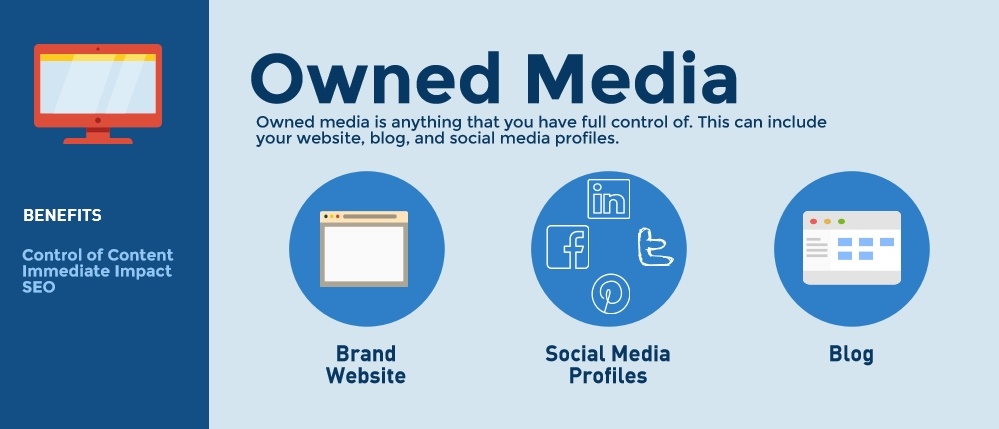
- Owned Media in omnichannel is everything your brand controls, like your website, blog, email newsletters, and social media profiles.
- It’s the core of your message and identity, where you build trust, nurture relationships, and guide people toward action.
- In the POEM model, Owned is where real value lives; it’s what Paid points to and what Earned circles back to. To make it work, brands need consistent content, clear messaging, and a user experience that turns interest into conversion.
1.3 Earned Media
Earned media is the organic visibility you gain through others’ engagement, like press mentions, customer reviews, social shares, or user-generated content.
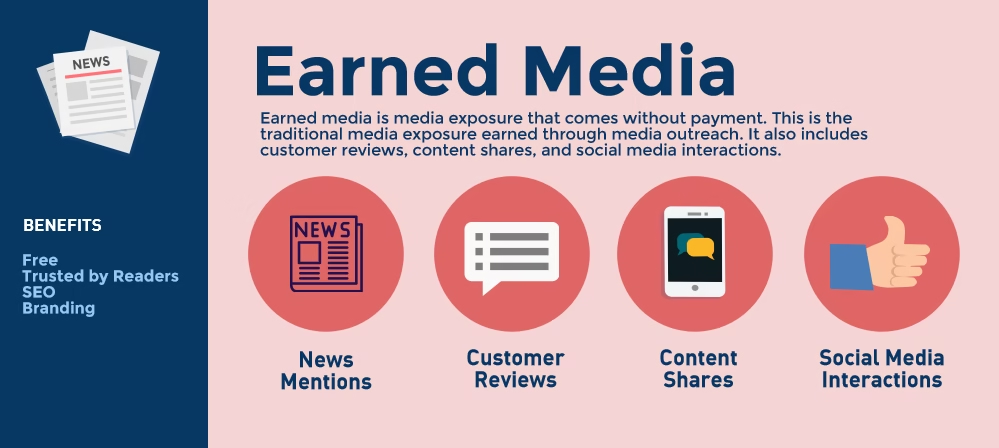
- Earned Media is the exposure your brand gains through others, without paying for it. It includes press coverage, influencer mentions, customer reviews, social media shares, backlinks, and good old-fashioned word-of-mouth referrals.
- In the POEM model, Earned Media acts as social proof — it validates your brand’s credibility and extends your reach far beyond what you could achieve through ads alone. And it often follows strong Owned content and meaningful customer experiences.
- But this isn’t something you control directly; it’s something you earn. That means delivering consistent value, building real relationships, encouraging advocacy, and creating content or experiences people naturally want to talk about and share
- Many CMOs underestimate the long-term value of Earned media. But it’s what gives your brand staying power. Consider Zomato’s “Feeding India” initiative — not an ad, not a blog, but a moment that earned them loyalty, mentions, and goodwill across channels. That’s the kind of visibility money can’t buy — and it starts with being worth talking about
“Most businesses don’t fail because they’re doing too little — they fail because their efforts aren’t connected. POEM turns scattered tactics into a unified strategy.”
Before the POEM framework came in, most companies handled Paid, Owned, and Earned media separately.
They would run ads without a clear analytics and omnichannel strategy, post content without consistency, and just hope that people would talk about them.
But this approach led to problems—campaigns felt disconnected, budgets were spent with little return, and the brand message got lost. The POEM model was designed to bring structure and clarity to this chaos. It helped businesses:
- Understand how each type of media contributes to their goals.
- Build integrated campaigns that amplify each other.
- Maximize ROI by leveraging strengths across all channels.
2. Why Some Brands Struggle — Even with Big Marketing Budgets?
Take legacy brands like Raymond or Shoppers Stop. These names were once trusted and well-known. They built their brand using TV ads, print, celebrity endorsements, and strong in-store experiences. And for years, that worked.
But then the market changed. People moved online. They started spending more time scrolling, searching, and shopping digitally.
These older brands didn’t adapt fast enough.
They still relied heavily on TV and outdoor ads, while newer digital-first brands were building strong websites, content, and social media presence.
Even today, many of these legacy brands have weak digital content, low visibility on search and social, and underused platforms. Their Paid ads remain strong, but their Owned and Earned media are often ignored.
Now compare that with brands like Nykaa or GIVA.
2.1 How BYJU's and Hubspot Leveraged Owned Media?
BYJU’S cracked POEM using strong owned media by creating high-intent, educational content on its website. For example, when users search for concepts like Bernoulli’s Theorem, BYJU’S ranks at the top with detailed explanations, formulas, and easy-to-understand content.
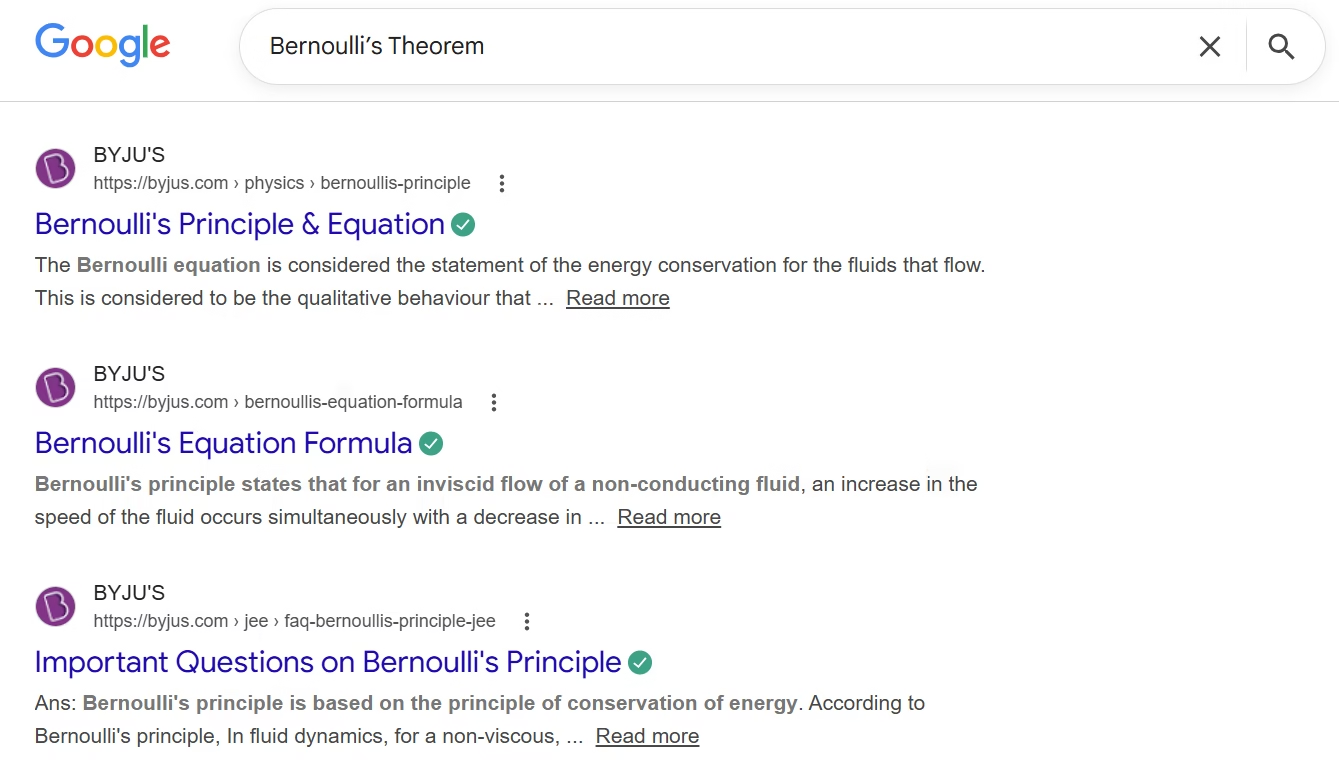
Instead of relying only on ads, BYJU’S built a massive library of concept-based pages across subjects like physics, maths, and chemistry. This helps them:
- Capture organic search traffic from students
- Build authority as a learning platform
- Continuously drive users to their app and courses
Hubspot converts readers into leads through gated content and toolsSearch anything like “what is inbound marketing” or “how to generate leads,” and you’ll likely land on HubSpot.
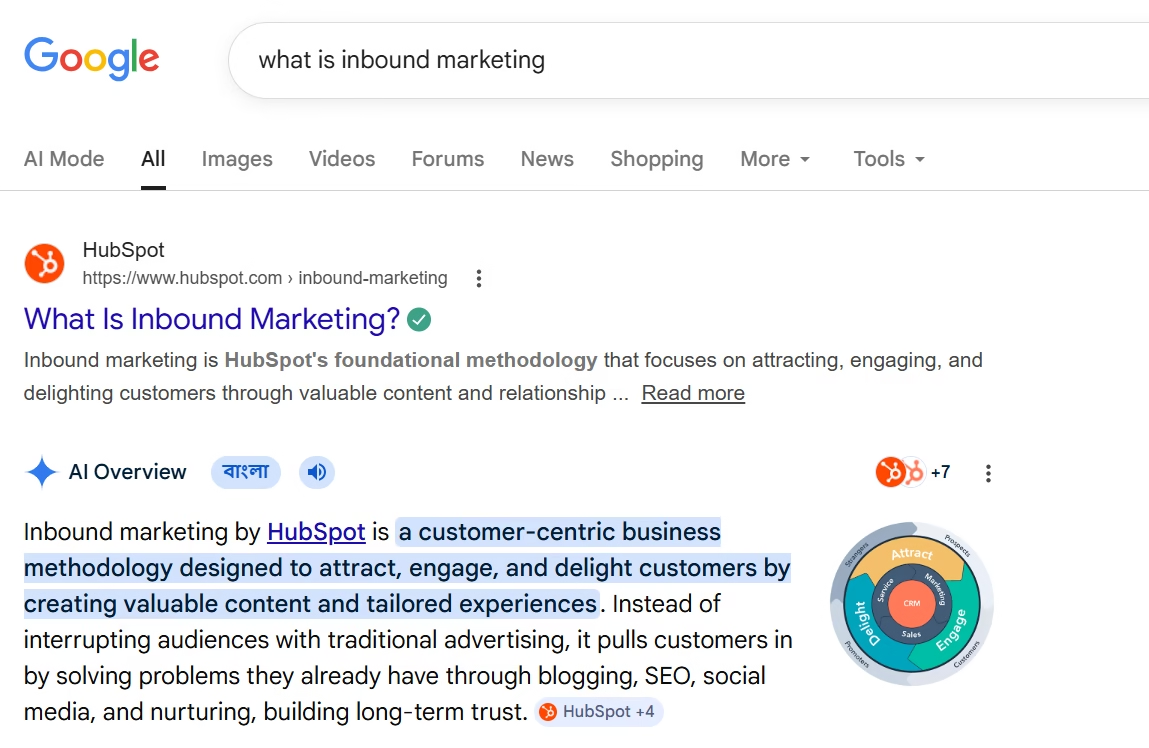
They used SEO-rich content to own high-intent keywords—bringing in traffic, trust, and conversions at scale. This approach helps them:
- Drive massive organic traffic
- Build trust and thought leadership
2.2 What can we learn from these brands?
Relying on just one channel — like SEO, ads, or influencer marketing — is risky. If that one thing stops working, your growth can slow down quickly.
The best brands don’t depend on just one method. They follow the POEM model, which stands for:
Owned media: They build their own platforms — like websites, blogs, apps, and email lists. These give them control and long-term value.
Paid media: They run ads, but only to boost what’s already working — not as the only way to grow.
Earned media: They create real value that gets shared — through customer reviews, social shares, press coverage, and word-of-mouth.
This approach helps brands stay visible, adapt quickly, and grow steadily — even when market trends or algorithms change.
3. How does POEM help companies?
If you’re a CMO trying to scale efficiently, POEM is not just a framework — it’s your decision-making compass. It helps you know where to invest, when to pull back, and how to make each channel amplify the next. When budgets are tight and expectations are high, POEM brings clarity to the chaos. It ensures that you’re not just doing more marketing but doing smarter marketing.
Before any company started using the POEM model, their marketing felt… scattered.
Our clients often express frustration, saying, “We were running ads, writing blogs, and posting on social media, but it just wasn’t working. Some things caught my attention, but nothing stuck. Leads came in, but not consistently. We were busy but not building.”
We always suggest that they start working with the POEM Framework, and we have witnessed the transformation:
- Paid ads started performing better because they linked to owned content like blogs and landing pages that actually engaged users.
- Websites became central hubs, not just digital brochures, but places where all media pointed and value was delivered.
- They finally earned the attention they didn’t have to pay for, shares, reviews, mentions — not because they asked for it, but because they were finally delivering real value.
- They stopped guessing! With POEM, we had a simple structure: Paid brings them in, Owned builds the relationship, and Earned builds the trust.
4. How to Use POEM Effectively?
Let’s be clear: POEM isn’t just a checklist. It’s a mindset shift.
You don’t “do” POEM once and forget about it. You build it into how you plan, create, and execute everything in your marketing. And if you want to work — really work — here’s how we’ve learned to approach it:
- Start with what you control – Start with your website, landing pages, and content. If these don’t convert, no ad or shoutout will save you.
- Use Paid to amplify, not to fix – Once your message is clear, use ads to drive traffic to what already works, not to cover what’s broken.
- Earn by Adding Real Value – People share, review, and mention brands that help them. You don’t “do” earned media — you earn it by being worth talking about.
- Make It a Loop, Not a Line – When Paid, Owned, and Earned work together, results compound.
5. Which Companies are Doing This?
Several top brands have successfully used the POEM model to align their marketing and build deeper customer connections.
5.1 American Express: Earned Media
American Express built strong earned media through its “Shop Small” campaign, where customers and small businesses organically shared their experiences across social media, generating massive word-of-mouth without direct ad spend.
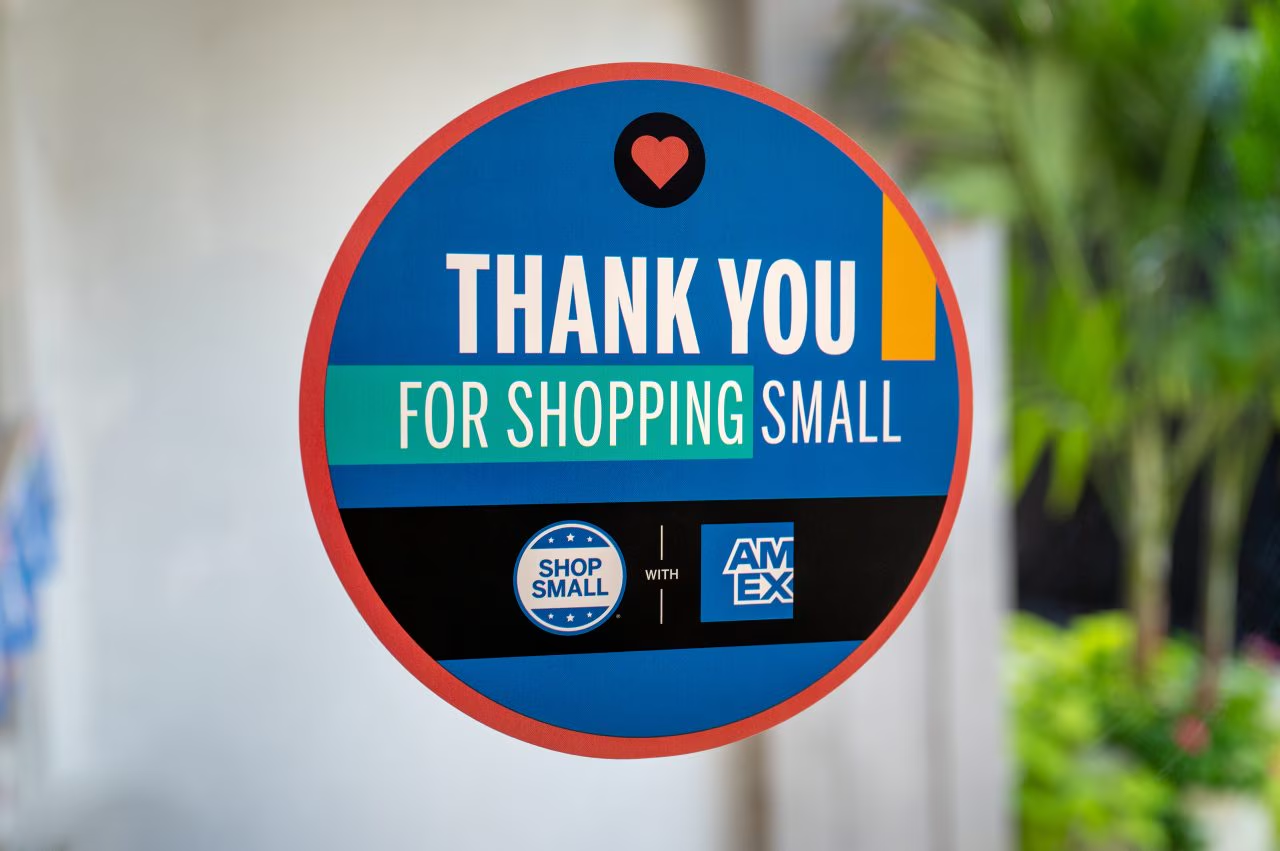
This created a ripple effect of authentic storytelling and community-driven content, turning everyday transactions into shareable moments. As more people joined in, the campaign gained momentum through word-of-mouth, significantly amplifying reach and brand visibility without proportional ad spend.
5.2 Zudio: Earned Media
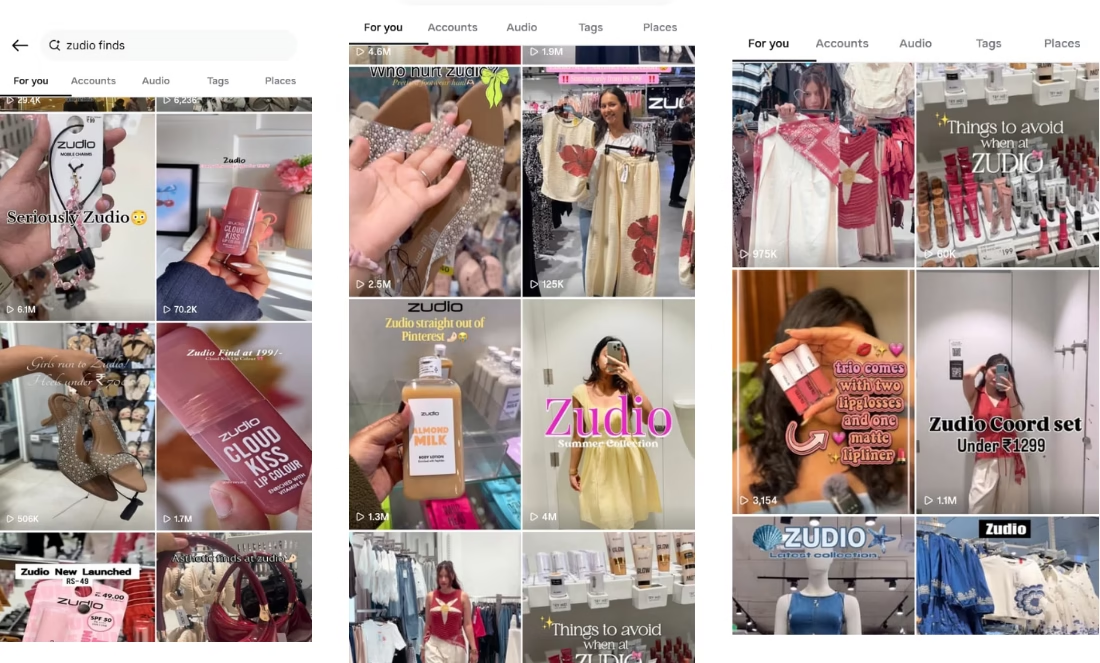
Zudio benefits heavily from earned media as customers consistently create UGC—haul videos, store visits, and styling reels—because of its trendy designs and affordable pricing, making it go viral without relying heavily on ads.
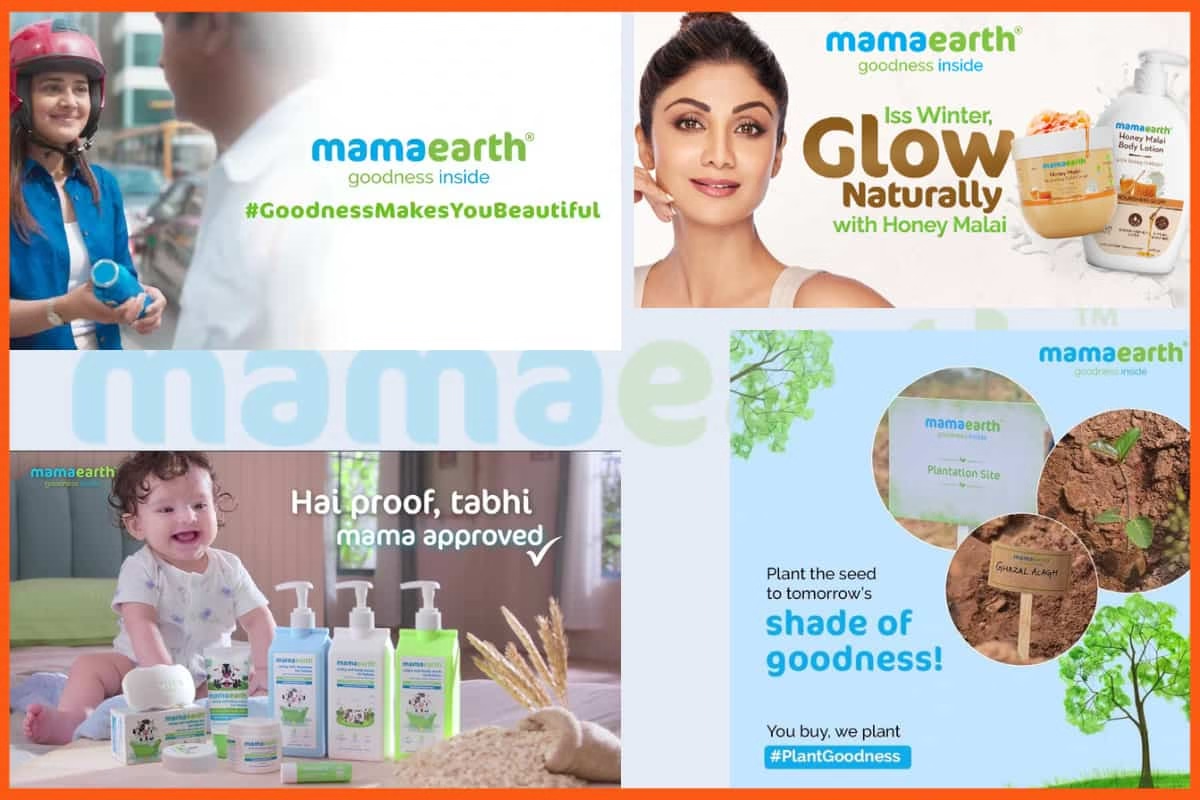
5.3 Mamaearth
Mamaearth leverages paid media extensively through influencer collaborations, performance marketing ads on Instagram/YouTube, and sponsored content to drive visibility, customer acquisition, and conversions at scale.
6. Leveraging POEM for Your Business
If you’re marketing but not seeing results, the problem isn’t effort; it’s alignment. POEM helps you connect with what you already have, so everything works harder, together.
Here’s how to start:
- Audit What You Have: Map out your current Paid, Owned, and Earned efforts. You’ll likely find overlaps, just not alignment.
- Fix Owned First: Make sure your website and content are clear, useful, and built to convert. No point running ads to a weak destination.
- Align Paid with Value: Use ads to push traffic to content that informs or solves, not just sells. That’s how you earn trust and clicks.
- Set the Stage for Earned: Create content worth sharing. Ask for reviews. Give people something they want to talk about.
- Think System, Not Silo: Let Paid bring traffic, Owned build trust, and Earned grow your reach — all working in one loop.
7. Challenges of Implementing POEM
POEM works, but only if you do it right. And like any good framework, it comes with its own set of challenges. Here’s what we (and others) have faced:
- Everything Feels Like It’s Moving at Once – It’s not just one campaign or one platform; you’re aligning multiple channels at the same time. Without a clear plan, it can get overwhelming.
- Weak Owned Content Breaks the System – If your website, landing pages, or content aren’t compelling, both your paid and earned efforts fall flat. This is the #1 place where we see things go wrong.
- Paid Gets Overused – It’s tempting to pour more money into ads when you want quick results. But without strong owned content and earned trust, you’re just burning budget.
- Earned Media Takes Time – You can’t force people to talk about you. You have to consistently deliver value and let the reputation build, which means playing the long game.
- Internal Silos Slow You Down – If your content, performance, and PR teams don’t talk to each other, POEM won’t work. It demands collaboration.
8. Tips for Getting the Most out of POEM
POEM isn’t a plug-and-play formula — it’s a system that works when you work it. After helping brands refine and scale their marketing using this model, here’s what we’ve learned: it’s not about doing everything, it’s about doing the right things in the right order with clarity and connection.
These aren’t just tips. They’re what actually move the needle:
- Start with Owned — Always: Ads won’t fix a weak site. Build strong content and clear messaging first
- Let Paid Drive to Value, Not Just Offers: Use ads to lead people to useful content — guides, tools, stories — not just “Buy Now” pages.
- Track How Channels Feed Each Other: Look at how paid traffic converts on owned pages, and how earned mentions boost both. Measure the connections, not just the parts.
- Repurpose Across Channels: Turn one blog post into a tweet thread, a short video, and an ad hook. Let the owned fuel be paid and earned.
- Keep the Loop Alive: Run campaigns that move people from ad → content → share → trust. Then do it again, smarter each time.
9. Final Thoughts
Most businesses are already using parts of POEM, like running ads, posting content, or hoping for word-of-mouth. But the problem is, they’re doing all these things separately. That’s why the results don’t add up.
When you connect all three—Paid, Owned, and Earned media—and make them work together, your marketing becomes much stronger. Brands that invest in strengthening their Owned and Earned media not only build deeper trust but also see sustained growth through increased organic traffic and long-term visibility.
We’ve seen this happen with brands we’ve worked with. Once they brought everything together, they moved from fragmented tactics to focused systems, from short spikes to steady, sustainable growth.
As a CMOs, your biggest opportunity today isn’t just to do more marketing — it’s to create marketing that works together. POEM gives you that lens. It helps you turn disconnected efforts into a system where every channel reinforces the other.
- By strengthening your Owned media, you build a home for your brand, one that converts and retains.
- By investing in Earned media, you build trust, the kind that can’t be bought, only earned.
- And when Paid media amplifies both, you don’t just get clicks, you get traction.
In a world where platforms change, attention spans shrink, and budgets get tighter, alignment becomes your most defensible strategy. POEM isn’t just a marketing model. It’s how modern brands build resilience, relevance, and results that last.
So if you’re ready to shift from tactics to a connected system, we’re here to help you build it.
For more informative content and blog, follow and stay tuned to DAiOM.
Subscribe to our NEWSLETTER!