

The DilSe Omni Podcast is a space where we decode how modern brands are blending data, technology, and human stories to build seamless, omnichannel experiences.
Because omnichannel marketing today isn’t just about being everywhere, it’s about being consistent, relevant, and real across sales, marketing, and customer touchpoints.
Each episode dives into conversations with founders, marketers, and thinkers who are reshaping how businesses grow in the AI-driven, customer-first era – DilSe.
In our latest episode, Saurabh sat down with Ganesh, a Co-founder and an omnichannel and growth expert whose journey perfectly captures what it means to bridge the online–offline divide.
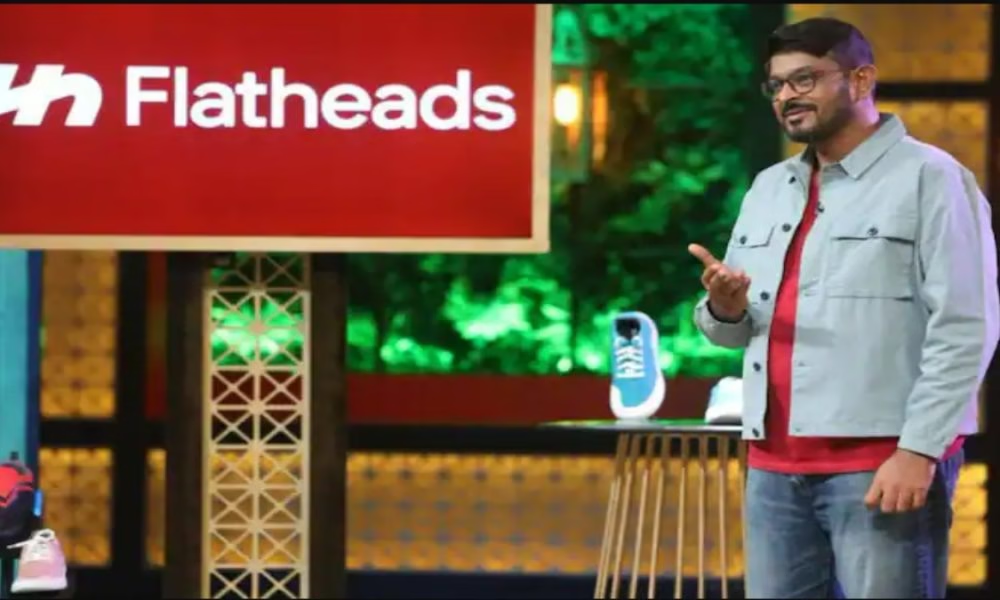
The most interesting thing about this conversation is how grounded and relatable it is. Ganesh doesn’t speak in marketing jargon. He speaks in stories, about customers, store managers, and the small operational changes that end up driving big brand results.
For him, omnichannel isn’t just a strategy. It’s about designing seamless, data-informed, and genuinely human experiences, the kind that make people feel seen and remembered, whether they’re shopping on WhatsApp, scrolling through Instagram, or walking into a store.
The Shoe Market’s Makeover — And What It Teaches Every Brand
Ganesh opened up about what’s happening inside the shoe market, and it’s fascinating. Traditionally, footwear was a touch-and-feel industry. Customers wanted to try, sense, and trust before buying.
But now, expectations have completely changed. It’s not just about having a great product anymore. It’s about creating a connected journey, where customers can browse online, chat on WhatsApp, check inventory in-store, and even return items across channels without friction.
And this is where data becomes the silent hero.
Ganesh shared how tracking small but meaningful signals like store footfall, browsing patterns, even abandoned carts, helped his brand completely rethink the in-store experience. By using online browsing insights to reorganize store displays, he saw a clear jump in both conversions and customer delight.
His philosophy is simple: CX (Customer Experience) isn’t about creating one big “wow” moment. It’s about hundreds of small, consistent improvements. It’s about listening, learning, and adapting, everywhere your customer interacts with you.
The Retention Stack: How Modern Brands Keep Customers Coming Back
At one point, Saurabh and Ganesh discussed that:
“It’s not hard to bring customers in. The real game is making them come back — again and again.

That led us into one of their favorite parts of the episode: the concept of the “Retention Stack.”
It’s a simple but powerful way to think about retention, as layers that build on each other.
Layer 1: Data Collection & Segmentation
It starts with knowing your audience. Collecting first-party data, logins, carts, store visits, chat queries, feedback — to segment your customers meaningfully. Ganesh calls this the “backbone” of retention. Without this, everything else is guesswork.
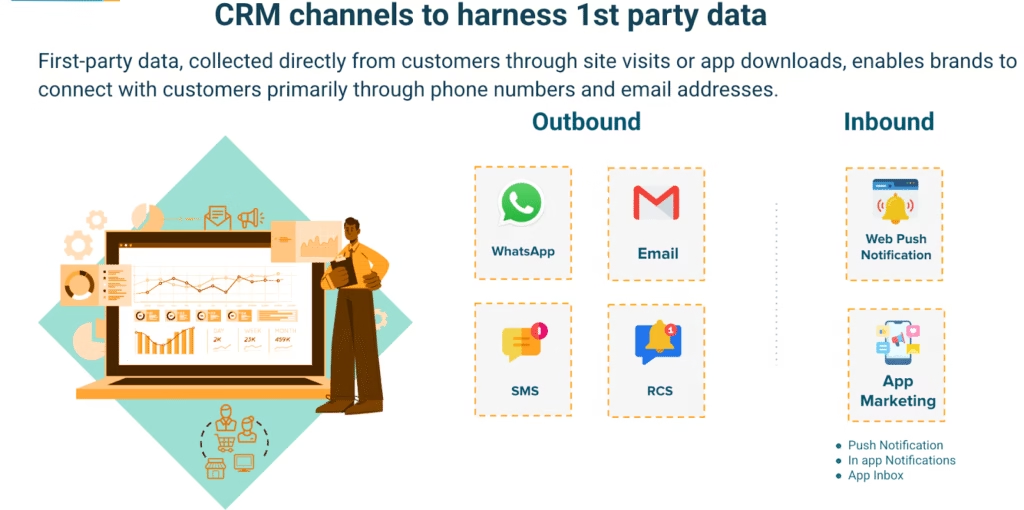
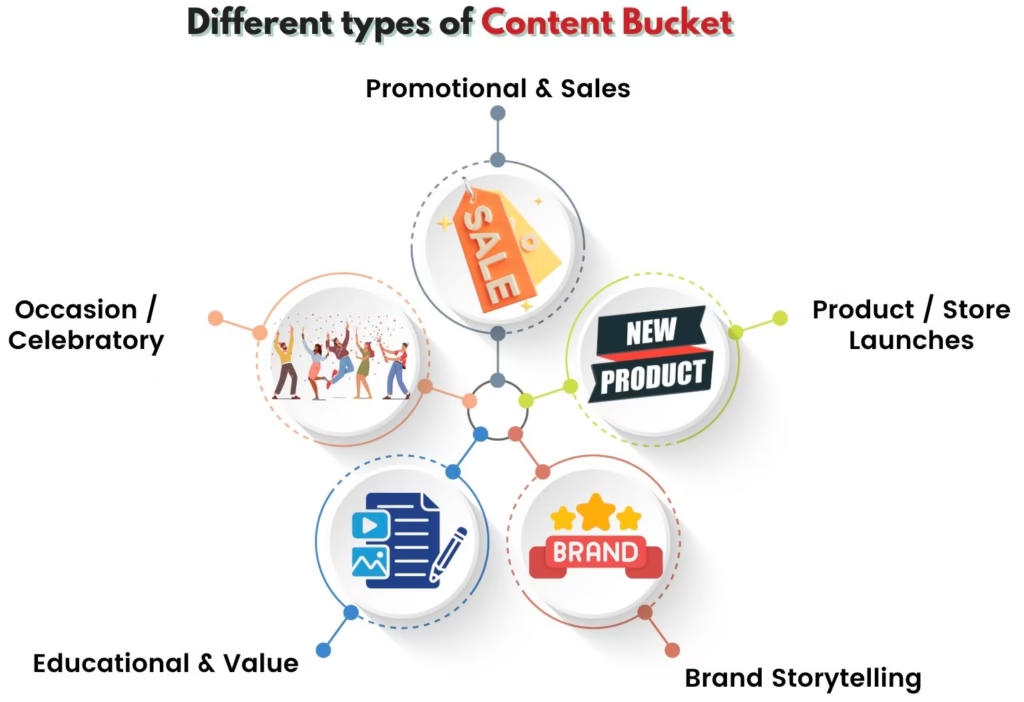
Layer 2: Automation & Content Buckets
Once you know your customers, automation takes over, but in a human way. Think WhatsApp messages that follow up at the right time, limited-period offers that feel personal, or reminders that show you actually remember their choices.
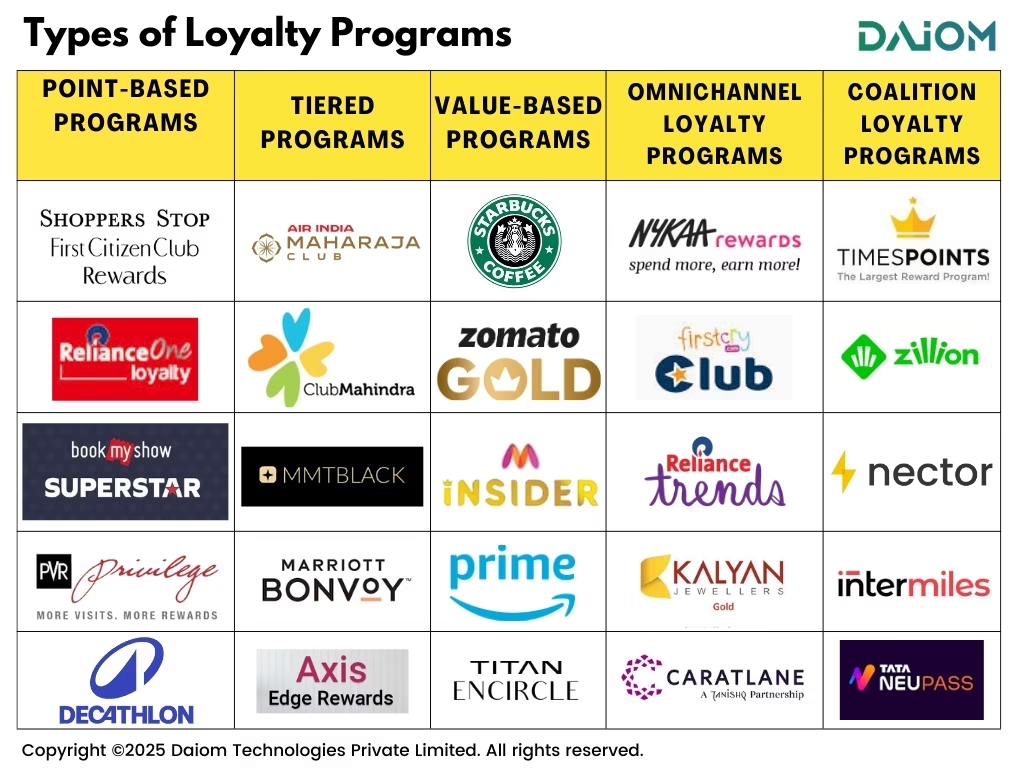
Layer 3: Loyalty & Rewards
Then comes loyalty, but not the old kind. Ganesh talks about integrating reward wallets across both stores and online platforms, so points, offers, and bundles feel unified. When loyalty is seamless, retention feels natural.
Layer 4: Customer Experience & Community
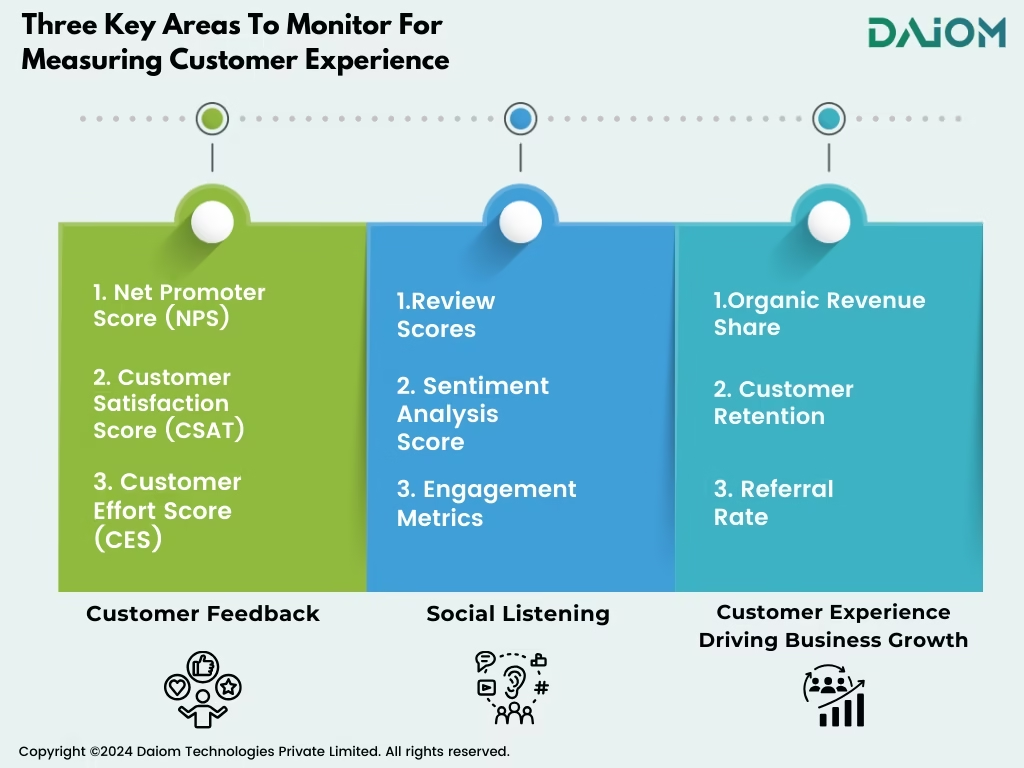
Finally, the most underrated layer, proactive customer service and community building. Ganesh shared how some of the best brands he’s seen create small, closed communities for their most loyal customers. Early access, surprise drops, and one-on-one support, it makes people feel like part of the brand’s inner circle.
The takeaway:
“Retention isn’t about discounts — it’s about belonging.”
And honestly, that’s where modern brand love really lives.
Customer retention is the cornerstone of building lasting loyalty.
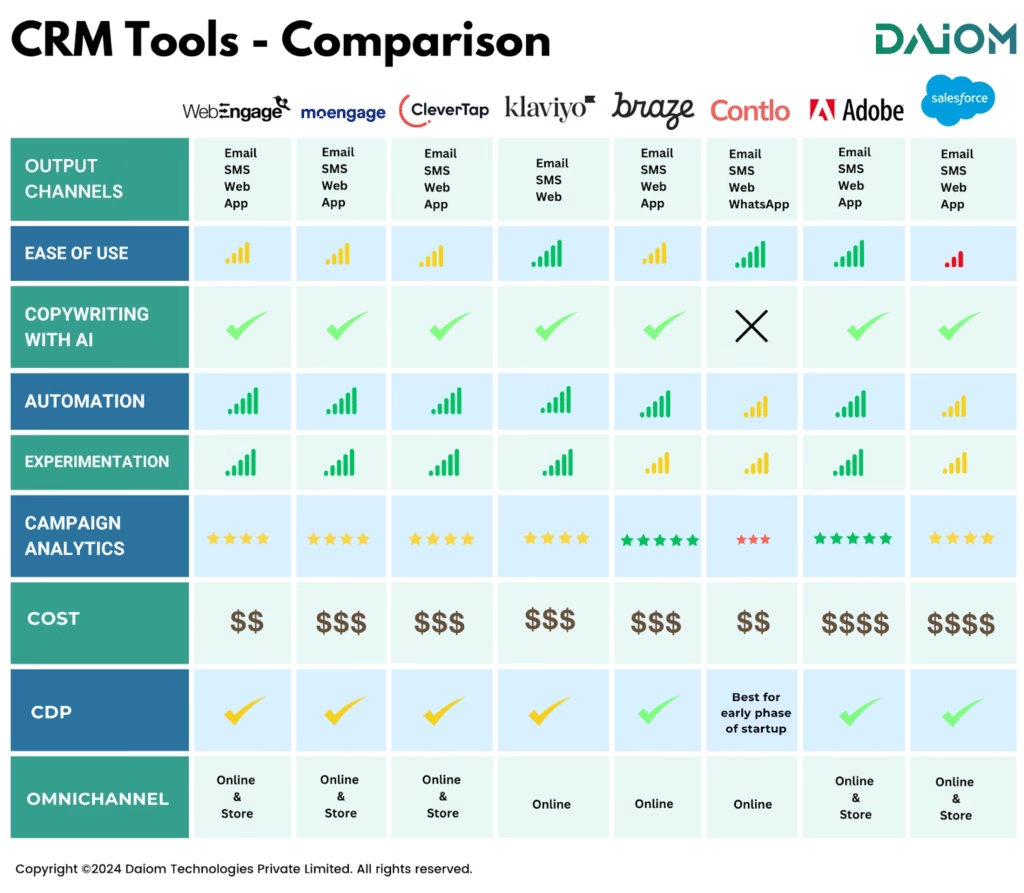
That’s where MarTech tools come into play. They streamline the entire process, making it easier to analyze data, segment your audience, and personalize communications effectively.
Founder-Led Branding
One of the most insightful parts of the conversation was about founder-led branding, something which Saurabh believes is redefining marketing today.
Ganesh and Saurabh spoke about how today’s customers don’t just buy from brands, they buy from people. Founders who show up, share their stories, and talk about what they’re building with honesty are winning hearts and mindshare.
Other brands like Mamaearth, The Whole Truth, Bombay Shaving Company, Nish Hair built credibility because their founders became the face and the voice of what they stood for.

And it works. When customers see the human behind the logo, trust deepens.
Of course, as Ganesh pointed out, it’s a double-edged sword. Founder branding demands authenticity and consistency. One misstep or tone-deaf message can break what took years to build. But when done right, it’s magic.
Influencer Marketing: From Numbers to Trust
They also dove into how influencer marketing is evolving, and this part felt especially real.
From this podcast, every marketer should note: “Influencer marketing used to be about reach. Now it’s about relevance.”
They discussed how the most effective campaigns today come from working with micro-influencers, local storytellers who genuinely connect with niche audiences.
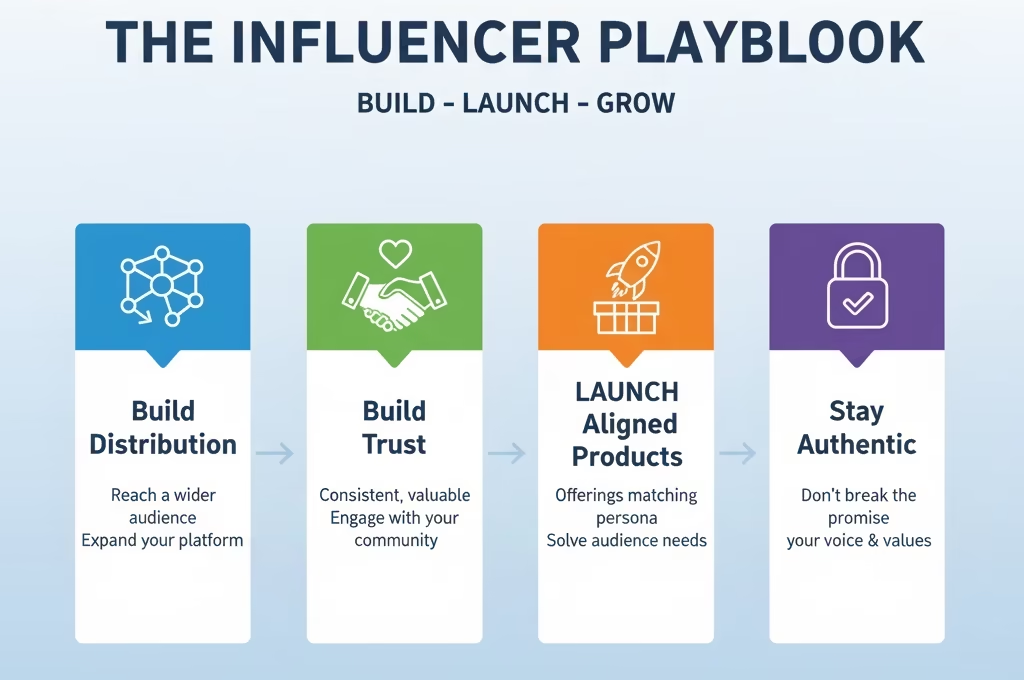
Rather than throwing money at big names, brands are now focusing on:
- Local champions who speak their community’s language.
- Authentic reviews over scripted shout-outs.
- Regional storytelling through Reels and Shorts in local dialects.
The result? Real trust. Real influence.
Retention Marketing Learnings: The Highlights
Before wrapping up, Saurabh and Ganesh shared a few retention insights that really stuck with me, practical, actionable, and refreshingly simple:
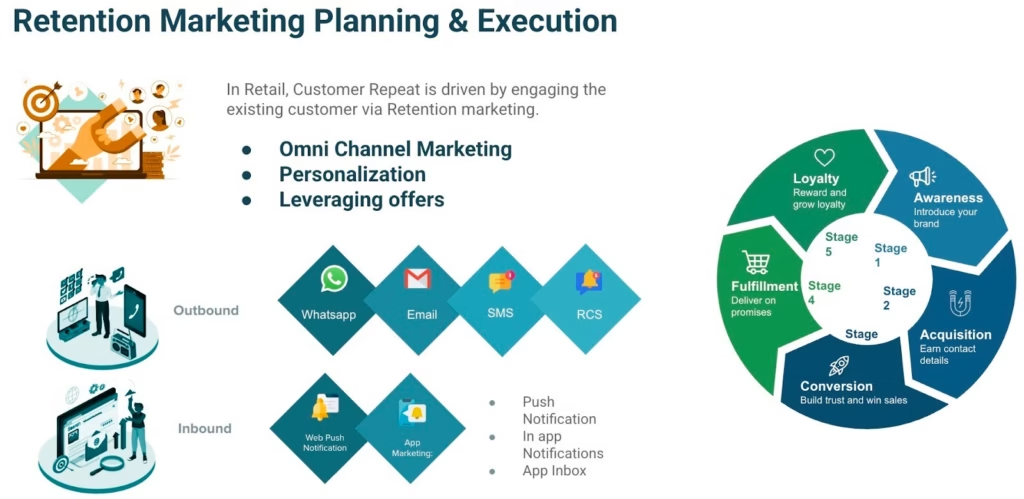
- Retention starts before the first sale. The first impression, whether it’s a WhatsApp chat, landing page, or welcome offer, all this defines how long they’ll stay.
- Listen to non-buyers. Feedback from people who don’t purchase often reveals more than data from those who do.
- Celebrate small wins. Surprise gifts, limited previews, or a thoughtful message can turn one-time buyers into loyal fans.
- Integrate your data. Whether online or offline, track everything in one place because your customer doesn’t see channels, only experiences.
- Build micro-communities. A small, active circle of top customers can drive organic advocacy better than any campaign.
- Stay consistent. Regular, personalized communication is how retention compounds over time.
“The real ROI of omnichannel isn’t in clicks or footfall — it’s in relationships.”
Final Thoughts: Omnichannel Is More Than a Playbook
This episode was a reminder that omnichannel marketing isn’t just a checklist, it’s a mindset.
It’s about connection — not just conversion.
It’s about consistency — not just campaigns.
And most of all, it’s about people — not just platforms.
Ganesh’s journey shows how even traditional industries can thrive when they lean into change with curiosity and heart. Whether you’re running a local store, a D2C brand, or a growing enterprise, the lessons here are universal: listen to your customers, build with authenticity, and never stop learning.
If you’re curious about how to bring all this together, from retention to storytelling, tune into the full episode of Decoding Omnichannel Marketing.
Let’s learn, adapt, and grow — together, Dil Se.