

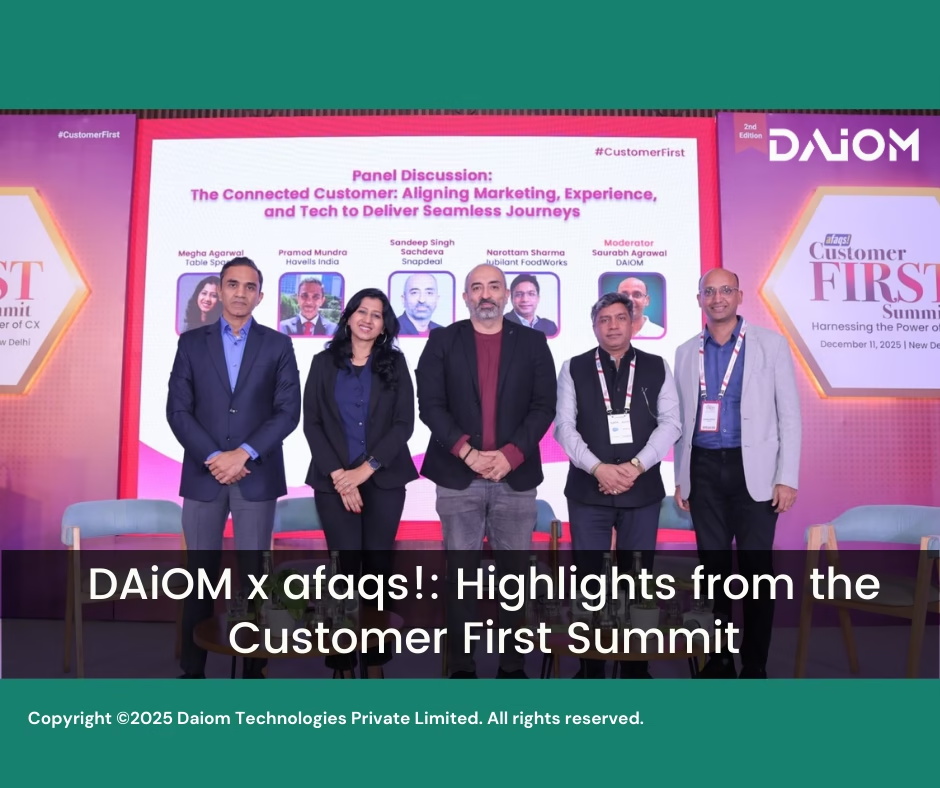
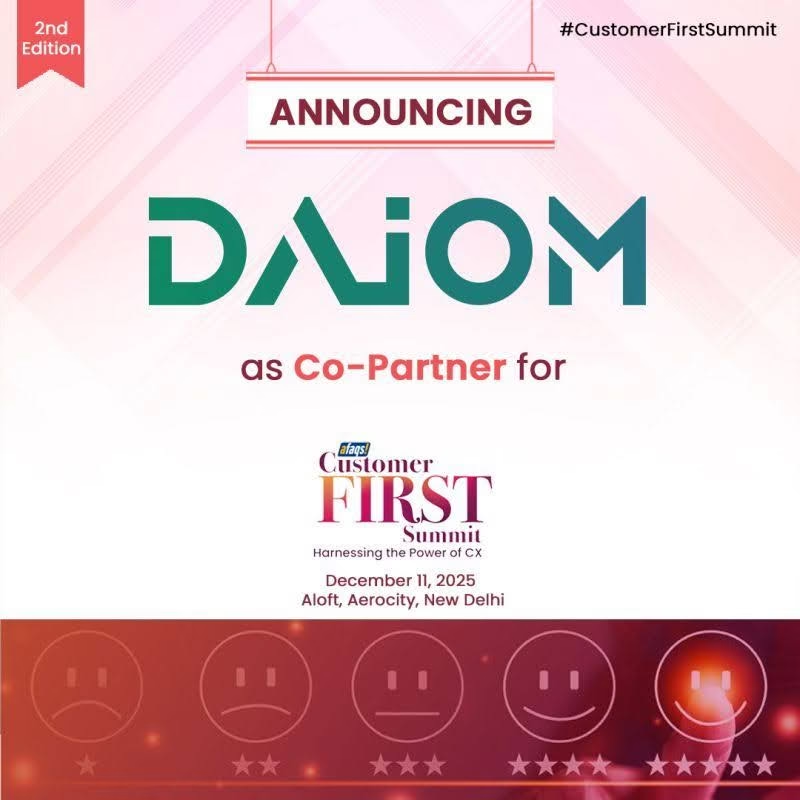
The afaqs! Customer First Summit 2025 at Aloft, Aerocity, New Delhi turned out to be one of those events that genuinely makes you rethink what “customer-first” means today.
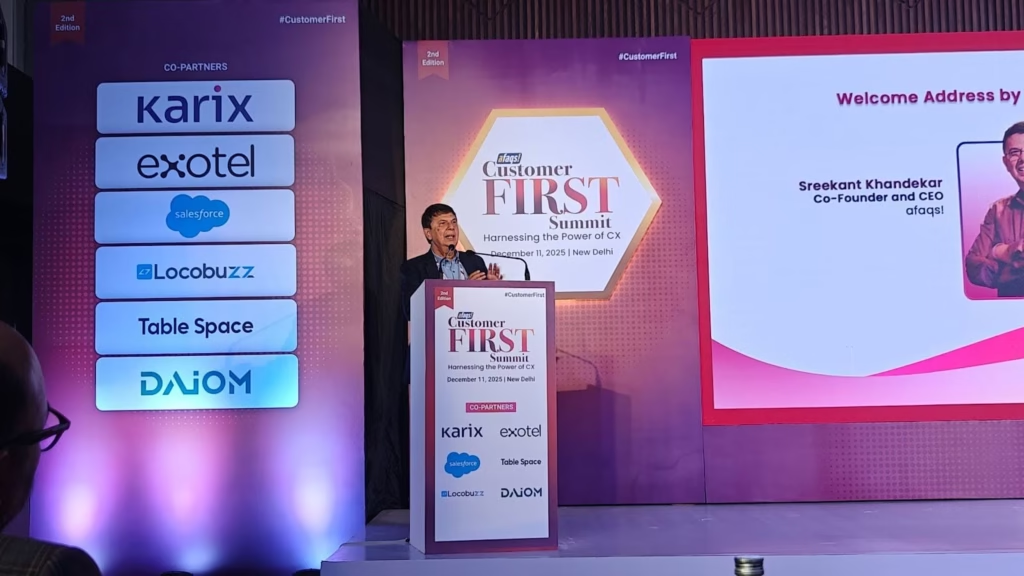
What the summit was all about
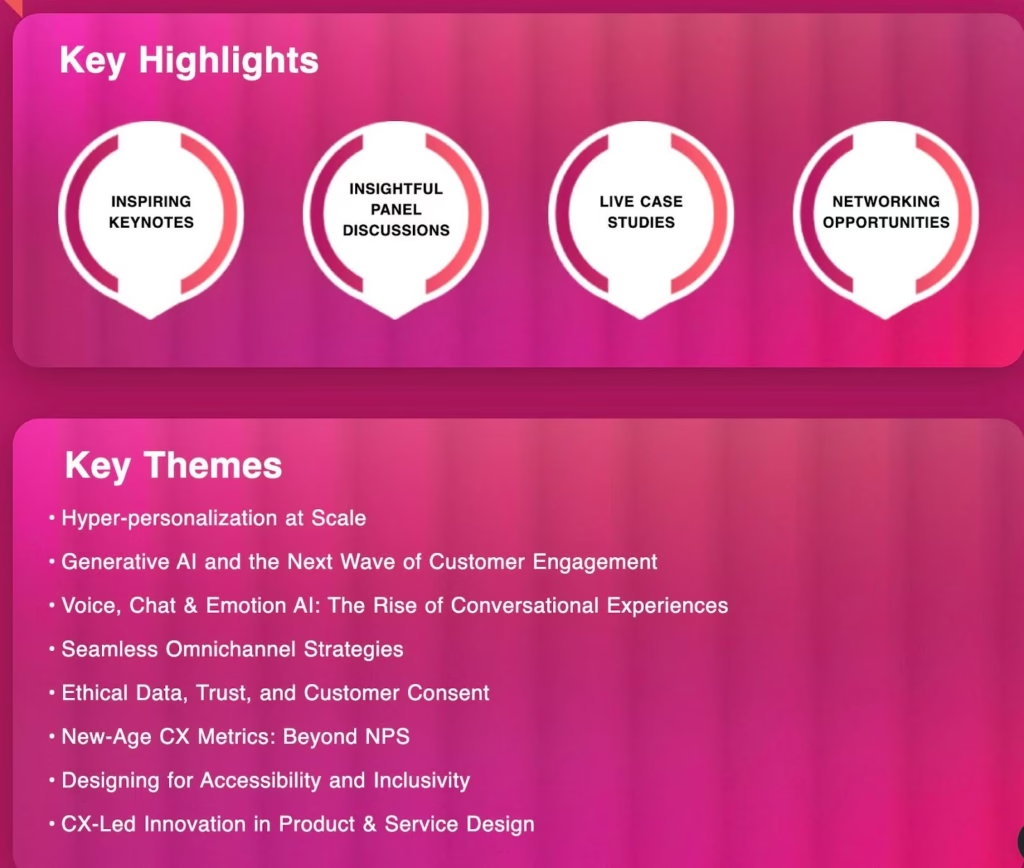
The room was packed with CX leaders, marketers, tech folks and operators who live these challenges every day. The conversations were practical: hyper-personalisation, ethical data use, omnichannel design, the real role of AI, and how brands can build journeys that actually help customers, not confuse them.
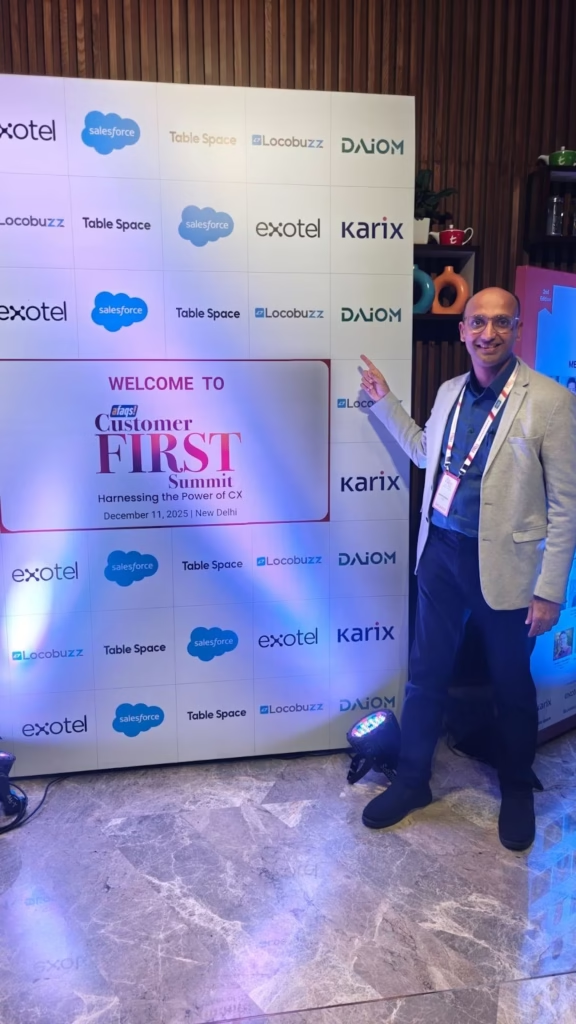
For DAiOM, being a co-partner, it was a chance to reinforce something we truly believe: data, analytics and AI should come together for one purpose only…to improve real customer outcomes.
The biggest theme we kept hearing (and agreeing with) was simple: AI should take away the repetitive stuff so humans can focus on moments where empathy and trust matter. When customers are stressed, confused or emotional, technology can support, but humans must lead.
Takeaways from my session
During the AI + CX panel, I shared a grounded view: AI doesn’t magically fix broken journeys. But when used well, it can remove friction, personalise interactions and connect channels so customers don’t have to repeat themselves. And when things get sensitive or complex, humans should always step in.
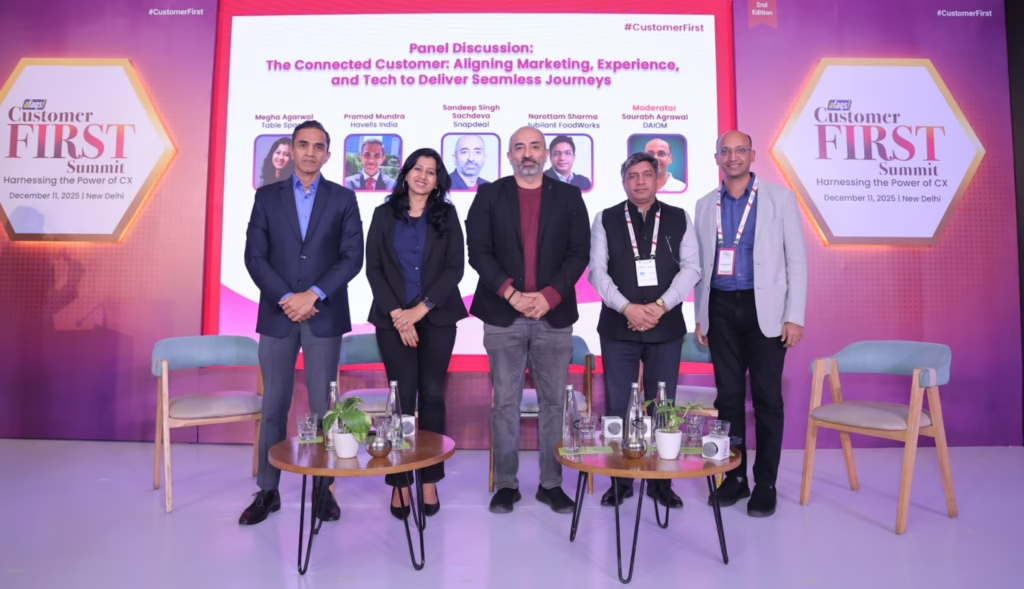
My panel topic: “𝗖𝗼𝗻𝗻𝗲𝗰𝘁𝗲𝗱 𝗖𝘂𝘀𝘁𝗼𝗺𝗲𝗿: 𝗔𝗹𝗶𝗴𝗻𝗶𝗻𝗴 𝗠𝗮𝗿𝗸𝗲𝘁𝗶𝗻𝗴, 𝗘𝘅𝗽𝗲𝗿𝗶𝗲𝗻𝗰𝗲, 𝗮𝗻𝗱 𝗧𝗲𝗰𝗵 𝘁𝗼 𝗗𝗲𝗹𝗶𝘃𝗲𝗿 𝗦𝗲𝗮𝗺𝗹𝗲𝘀𝘀 𝗝𝗼𝘂𝗿𝗻𝗲𝘆𝘀.”
Key takeaways:
- Let AI handle scale. Let humans handle emotion.
- Great customer experience makes 𝘀𝗲𝗹𝗹𝗶𝗻𝗴 𝗲𝗳𝗳𝗼𝗿𝘁𝗹𝗲𝘀𝘀
- Brands that get it right: Netflix , Amazon , Zomato, Swiggy , Delhi Metro Rail Corporation (DMRC)
Agenda themes and learnings from other speakers:
The summit kicks off with a special address from afaqs! leadership, framing why CX is now where emotional intelligence meets data intelligence.
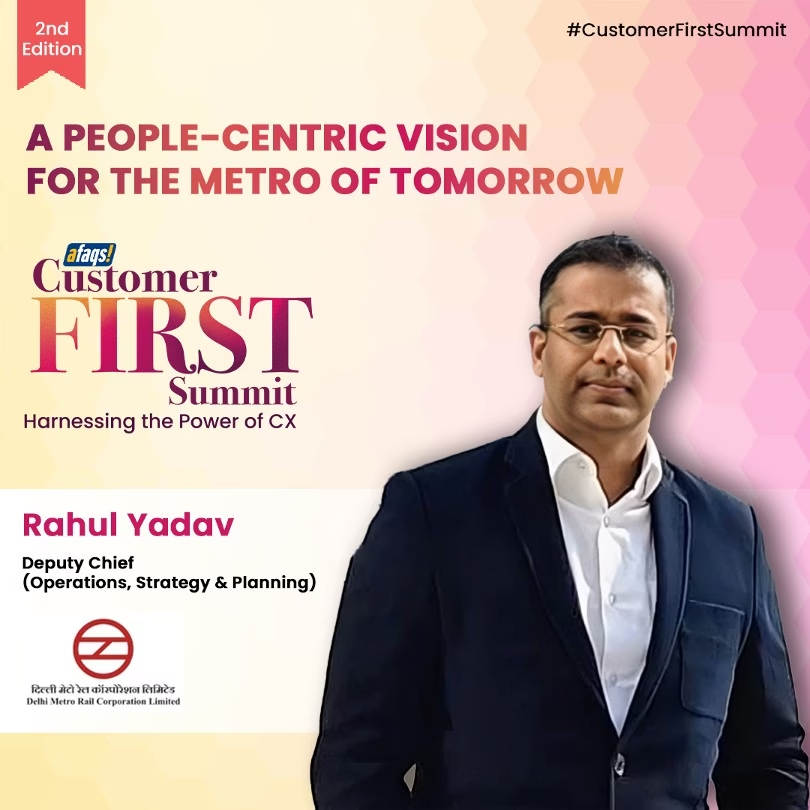
- Designing Seamless Urban Mobility: DMRC’s Blueprint for a People-First Metro System
Rahul Yadav’s keynote really stayed with me because it showed how customer experience doesn’t have to feel “small” to be personal. As Deputy Chief at DMRC, he spoke about how the Delhi Metro blends operations, planning, data and on-ground teams to make millions of daily journeys feel safe, predictable and effortless.
His big point was simple but powerful: great CX in public infrastructure isn’t about flashy tech, it’s about anticipating everyday commuter needs smart systems with timely human intervention, so the complexity stays behind the scenes and the passenger experience stays calm and human.
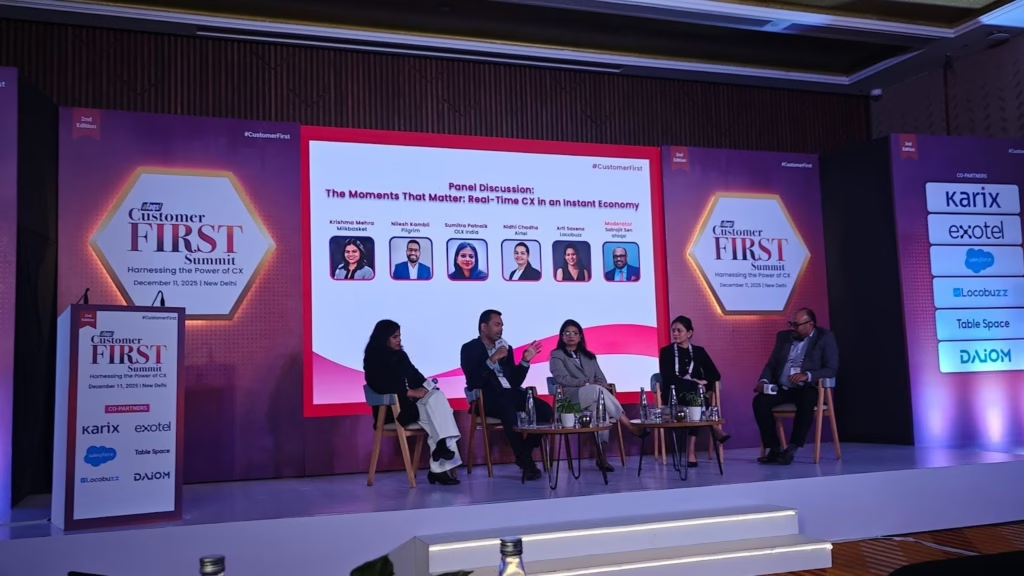
2. The Moments that Matter: Real-Time CX in an Instant Economy
This session explores how brands can respond instantly across channels when customers act, complain or show intent, rather than relying on delayed, batch‑style engagement.
When a customer faces a problem, their first instinct is often to go public on social media, so brands need real‑time listening and response mechanisms to protect trust in the moments that matter most.
Arti Saxena (CGO – Locobuzz) brought the cultural perspective, speaking your customer’s language literally changes outcomes.
3. The Connected Customer: Aligning Marketing, Experience and Tech
This panel looks at how marketing, CX and technology teams must work as one to create truly seamless, end‑to‑end journeys. The agenda theme is about stitching data, content, UX and backend systems so that customers never feel the hand‑offs between departments.
If you digitise a journey, you must obsess over where customers drop off; every extra click or confusion point is a signal that marketing, CX and tech are not yet fully aligned.
Pramod Mundra (Havells), spoke about breaking silos between product, service and retail to create a single, connected journey.
Narottam Sharma (Foodworks) explained how understanding tiny customer behaviours helps build journeys that feel effortless.
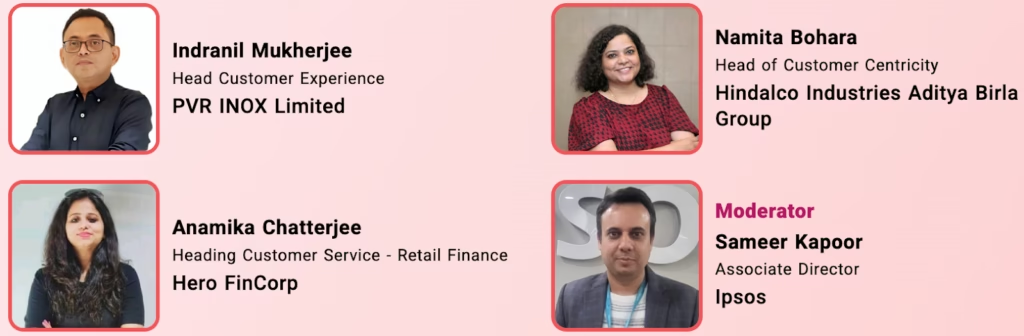
4. AI and the Human Touch: Striking the Right Balance in Customer Experience
This session focuses on how AI can power scale and efficiency without eroding empathy. It connects generative AI, conversational interfaces and automation with human‑led interventions for complex or emotionally charged cases.
The key takeaway: let AI handle the routine, repetitive questions in the background, but when a customer has a real issue, a human should step in so the customer feels heard, not just handled.
Indranil Mukherjee (PVR Inox) talked about why empowering sellers directly improves end-consumer experience.
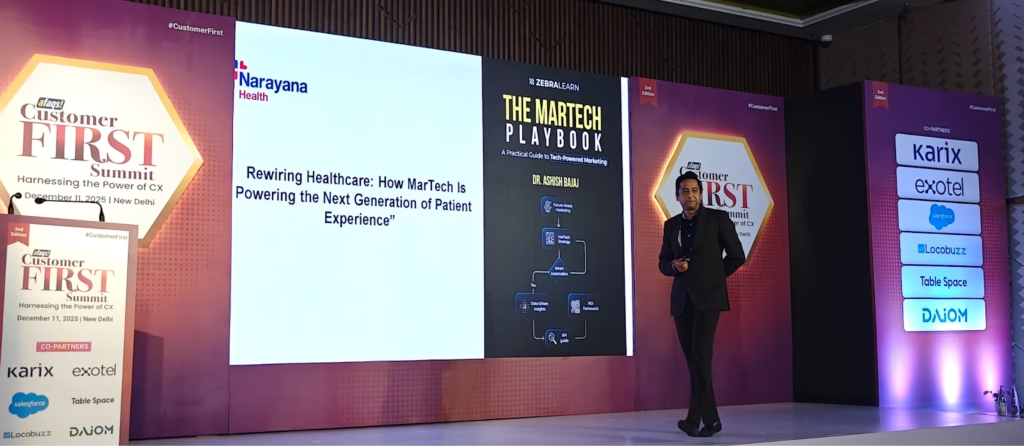
5. Rewiring Healthcare: How MarTech is Powering the Next Generation of Patient Experience
The healthcare‑focused agenda explores how marketing, technology, data and automation can support patient journeys from awareness to follow‑up care. It emphasises sensitive use of data, timely communication and reducing friction in hospital or clinic interactions.
Dr. Ashish Bajaj (Group Chief Marketing Officer: Narayana Health), reminded everyone that in hospitals, tech is useful, but empathy is unforgettable.
Ashish wrote The MarTech Playbook which is an exciting, practical guide for anyone looking to truly understand modern marketing technology.
It breaks down how data, automation, and AI come together to build smarter, scalable, customer-driven marketing.
6. Beyond the First Sale: Maximizing Customer Lifetime Value in a Competitive Market
This session focuses on what happens after acquisition, how brands use CX, loyalty, CRM and product experience to extend relationships and revenue over time. It ties closely to quotes about CX being the reason customers stay, with sales becoming “easy” when experience is right.
When customer experience is strong, sales become a by‑product; the real work is making sure that once someone buys, every subsequent interaction reinforces their decision and deepens the relationship.
7. Designing for Bharat – CX Innovation Beyond the Metros
This session delves into how CX has to adapt to India’s non‑metro audiences across languages, devices and infrastructure realities.
What stood out was a simple truth: designing for Bharat isn’t about scaling down metro journeys, it’s about starting fresh with local context. Language, culture, connectivity, trust, and everyday realities shape how customers in non-metro India discover, engage, and stay loyal to brands.
From voice and WhatsApp to assisted commerce and hyperlocal storytelling, the conversation reinforced that the future of CX in Bharat will be deeply local, deeply human, and increasingly powered by AI.
Designing for Bharat means grounding CX in local context, language, culture, connectivity and everyday constraints, instead of simply exporting metro‑centric journeys to the rest of the country.
So what was the big learning?
Across all the talks, one idea appeared again and again:
Great CX in 2025 means using data, AI and channels in a way that makes customers feel understood, respected and in control.
The tools will keep changing. But the heart of CX is still deeply human, listening well and acting with intent.
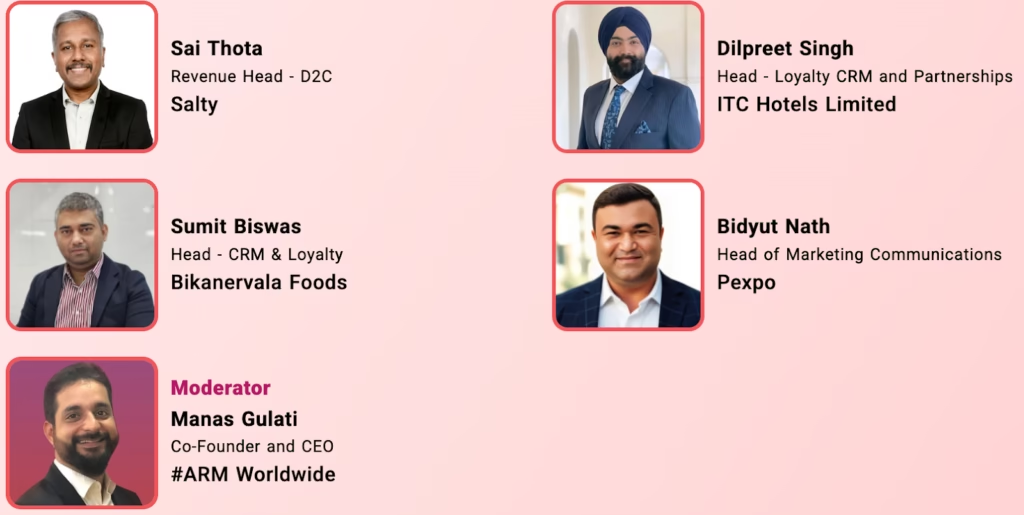
With DAiOM as a co-sponsor and me, moderating a panel on CX and AI, one message kept coming up all day: technology is powerful, but customers remember how you make them feel, not how advanced your tech stack is.
My experience at the summit was both humbling and inspiring. The discussions, the insights, and the energy in the room reminded me how fast CX is evolving, and how much opportunity lies ahead for brands that truly listen to their customers.