
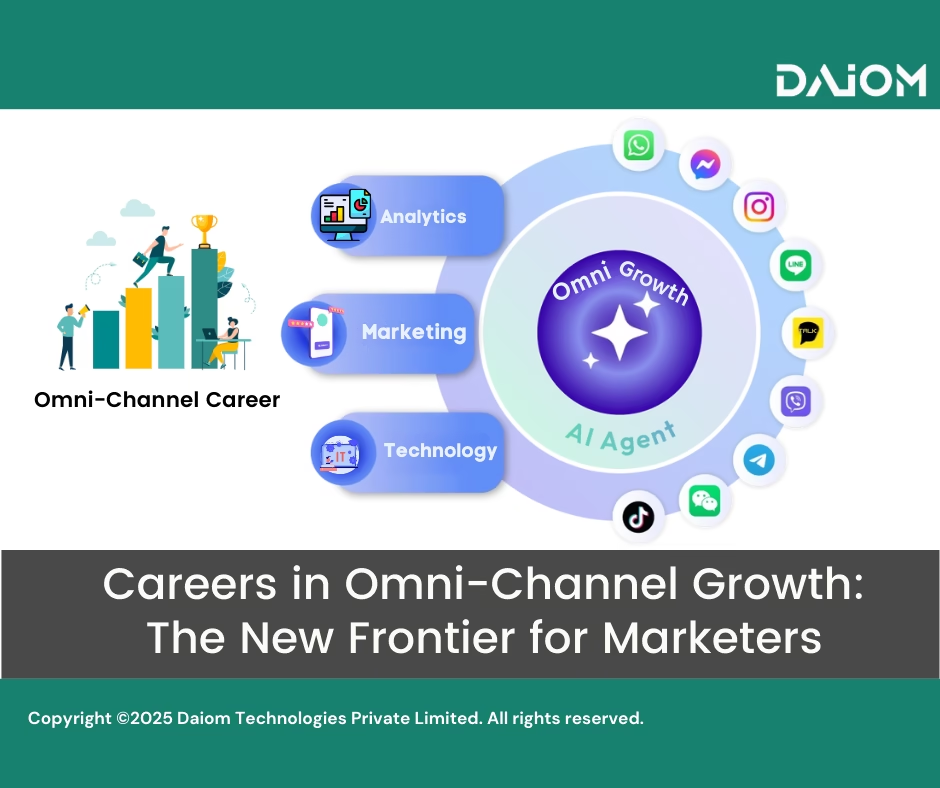
Today, omnichannel offers massive career potential because marketing is no longer linear. With tools evolving every year and AI reshaping what’s possible, the fastest-growing careers belong to those who adapt, experiment, and learn in public.
Walk into any retail store today, and you’ll notice something interesting.
That customer checking out an item in-store probably discovered it online.
That digital ad you saw on Instagram? It might be nudging you toward a store near you.
Welcome to the Omni-Channel Era where online, offline, and everything in between come together to drive growth.
Table of Contents:
1. Why Omni-Channel Matters More Than Ever
The last few years have transformed how brands reach and retain customers.
What started as “digital marketing” is now morphing into something far broader, an integrated experience across every channel.
Three big reasons make Omni-Channel critical right now:
- Customers are everywhere — social, search, stores, marketplaces, WhatsApp, and more.
- Data is fragmented, and without connecting dots across channels, insights are lost.
- Growth costs are rising, so brands must drive efficiency through unified customer journeys.
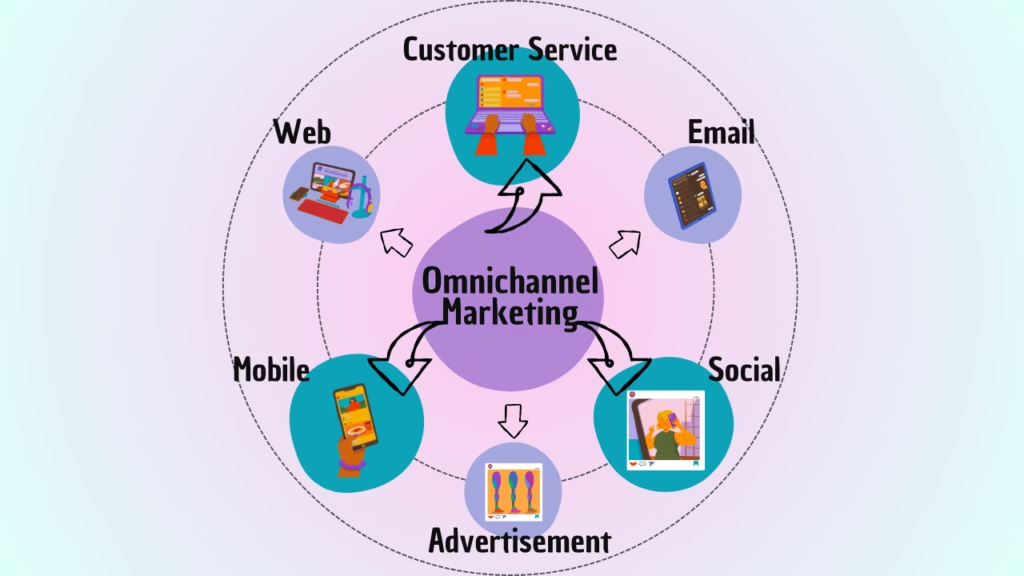
The biggest bottleneck in omnichannel growth today isn’t technology, it’s the shortage of skilled talent.
While brands are eager to build seamless experiences, they struggle to find talent who can bridge marketing, analytics, and technology.
Most professionals are experts in one area, but Omni-Channel demands fluency across all three.
That’s where Omni-Channel Growth roles come in, professionals who sit at the intersection of these domains, driving measurable impact.
2. Omnichannel Growth at the Intersection of Marketing, Tech & Analytics
Omni-Channel Growth isn’t a single role. It’s a mindset.
Think of it as a Venn diagram where three worlds meet:
- Marketing: understanding audiences, funnels, and creative storytelling
- Technology: leveraging tools, automation, and low-code systems
- Analytics: measuring, optimizing, and driving insights
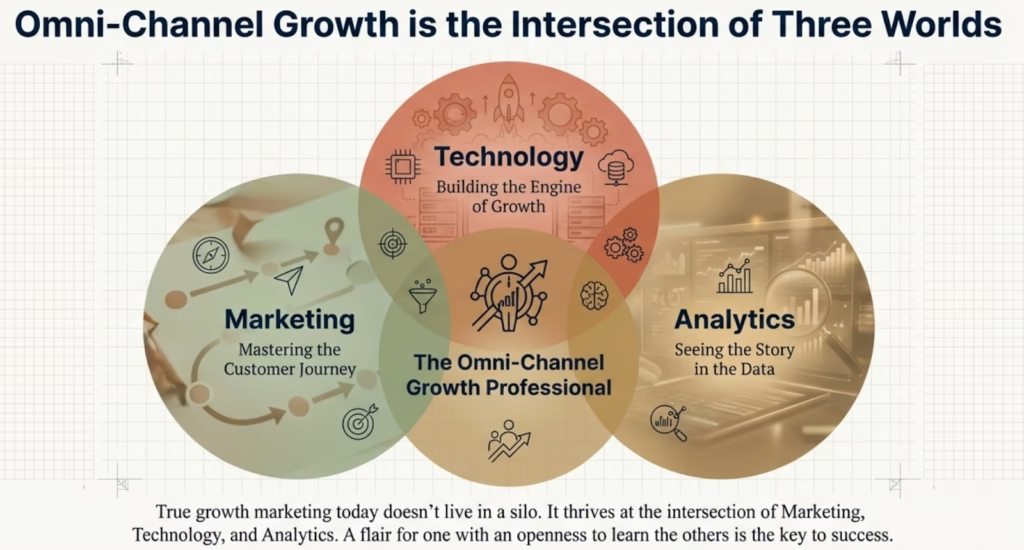
You don’t have to be an expert in all three, but having strength in one and curiosity in the others is key.
For example:
- A marketer who learns analytics can measure impact better.
- An analyst who learns tech can automate insights.
- A techie who understands funnels can build smarter systems.
That cross-functional curiosity is what defines modern growth leaders.
3. Roles Emerging in Omni-Channel Analytics
Analytics is the foundation of every Omni-Channel strategy.
Without it, decisions are just opinions.
If you’re entering this space, here’s what to focus on:
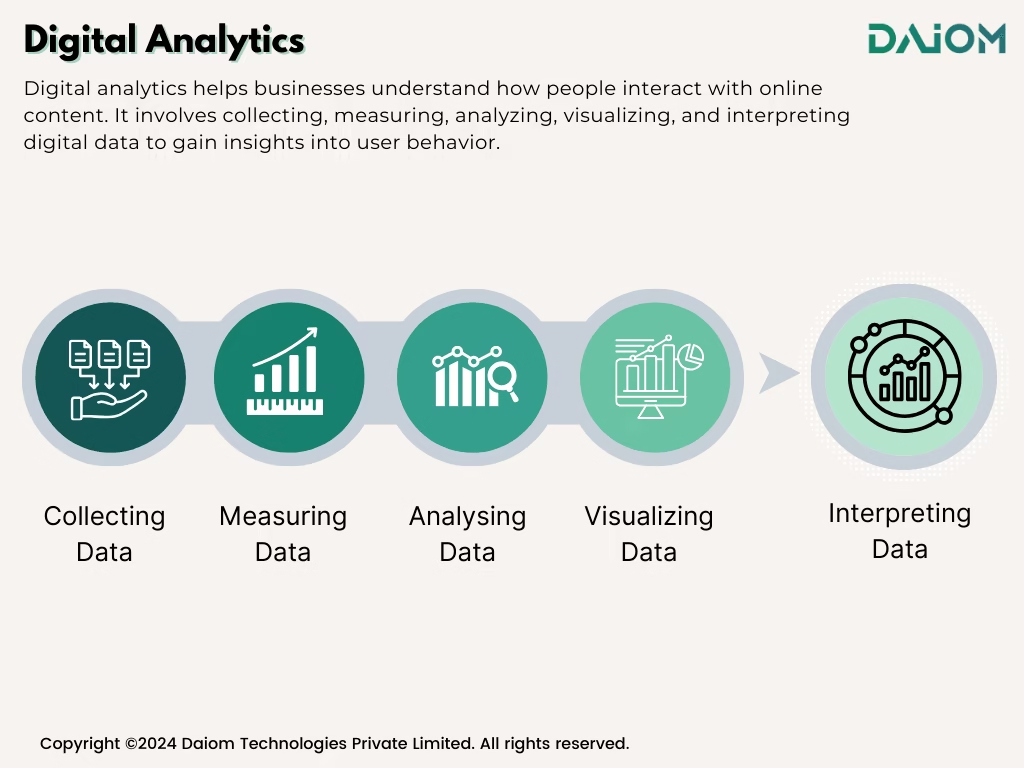
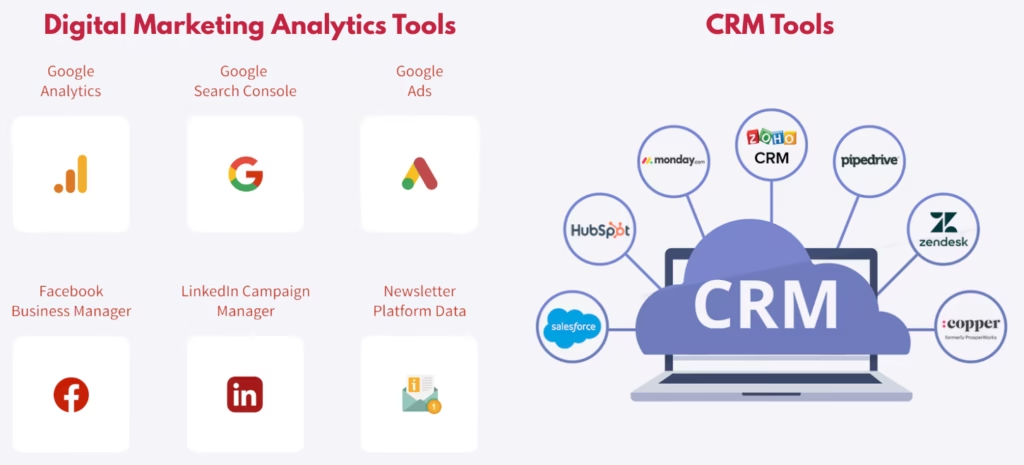
- Digital Marketing Analytics: Understand paid media metrics (CTR, ROAS, CAC), social analytics, and web tracking (GA4, Mixpanel).
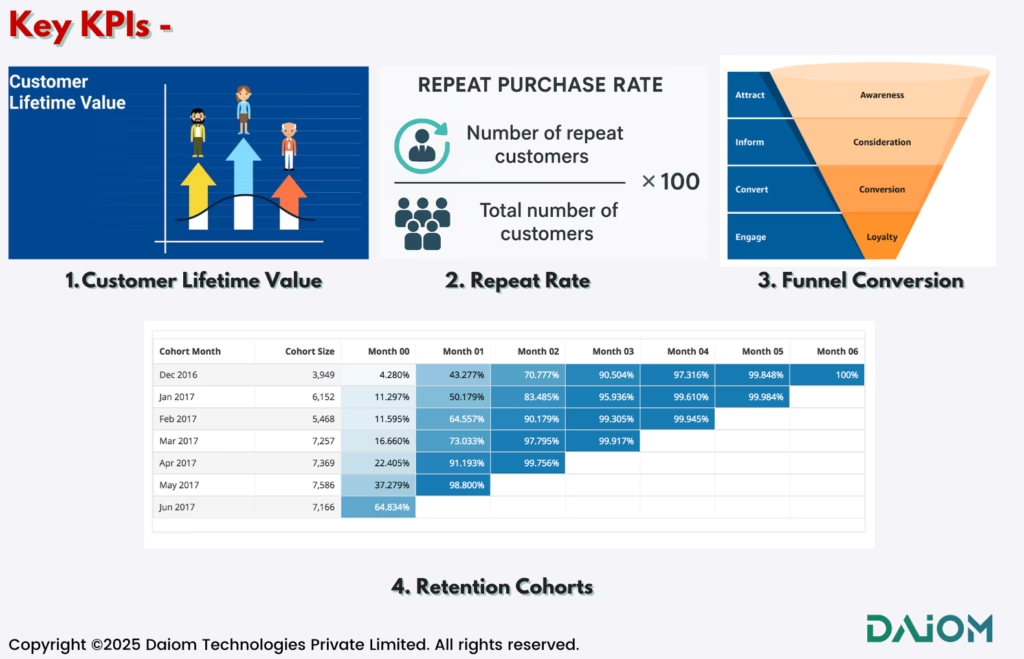
- Key KPIs: Learn metrics like customer lifetime value (LTV), repeat rate, retention cohorts, and funnel conversion.
- Dashboarding Skills: Build basic dashboards using tools like Data Studio, Power BI, or Looker. Even Excel or Google Sheets proficiency can go a long way.
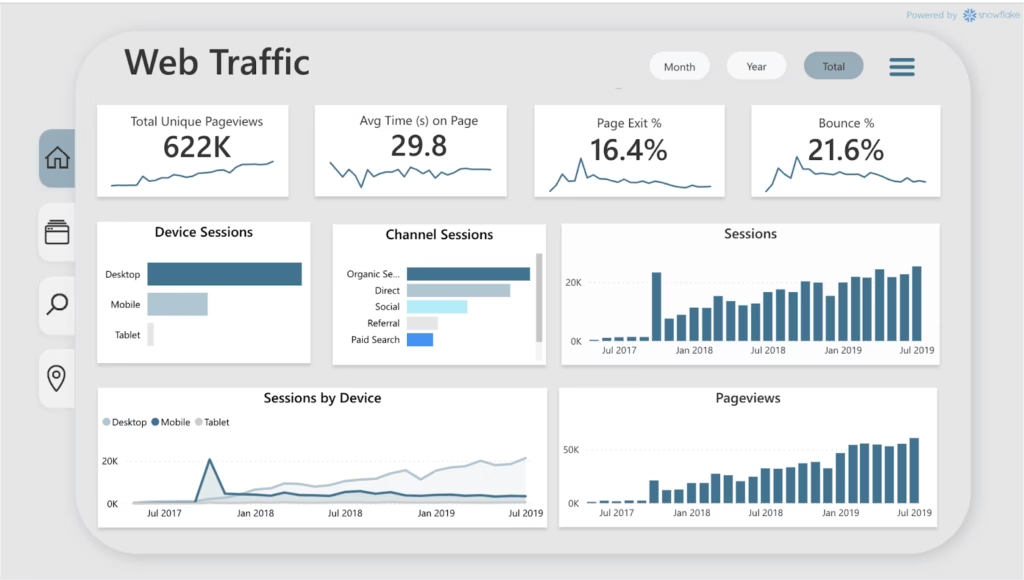
Remember, analytics isn’t about big data; it’s about big clarity, telling stories with numbers.
4. Roles Emerging in Omni-Channel Marketing
The heart of Omni-Channel lies in understanding marketing deeply.
Every successful marketer today must master:
- Customer Funnels: Awareness → Consideration → Purchase → Retention
- Performance Marketing: Driving targeted traffic and conversions through ads.
- Retention Marketing: Building post-purchase engagement through email, SMS, and loyalty programs.
- Social & Content: Creating narratives that resonate across platforms.
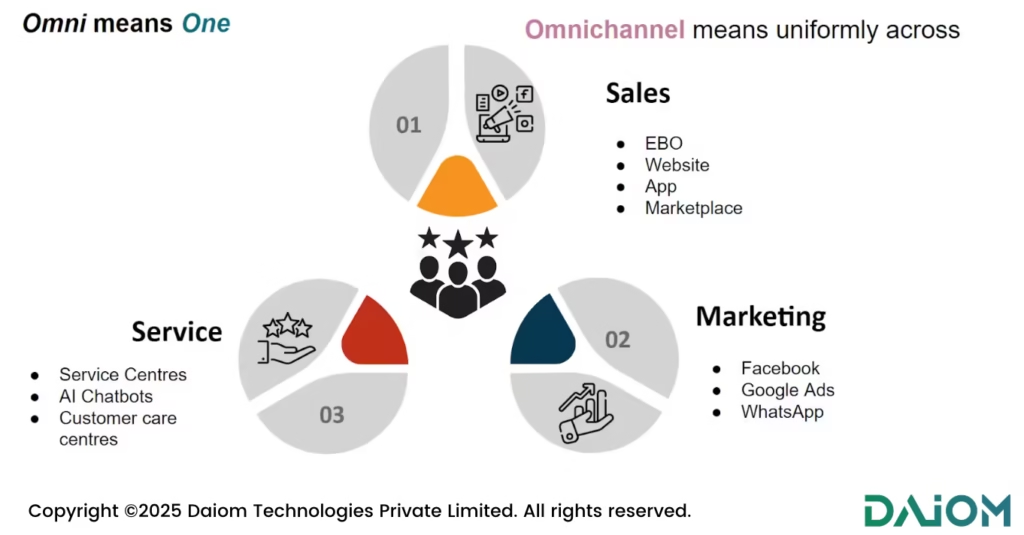
Remember: marketing isn’t just about running ads.
It’s about driving measurable business impact.
The best marketers today are hybrid thinkers, creative enough to tell a story, analytical enough to measure it, and tech-savvy enough to scale it.
Why Understanding Offline Businesses Matters?
Offline retail isn’t dying — it’s evolving.
Understanding how a small local business operates — margins, customer relationships, supply chain — gives context to your Omni-Channel strategy.
The offline world teaches fundamentals that digital dashboards can’t.
Those who blend the personal touch of offline with the efficiency of digital are growing the fastest.
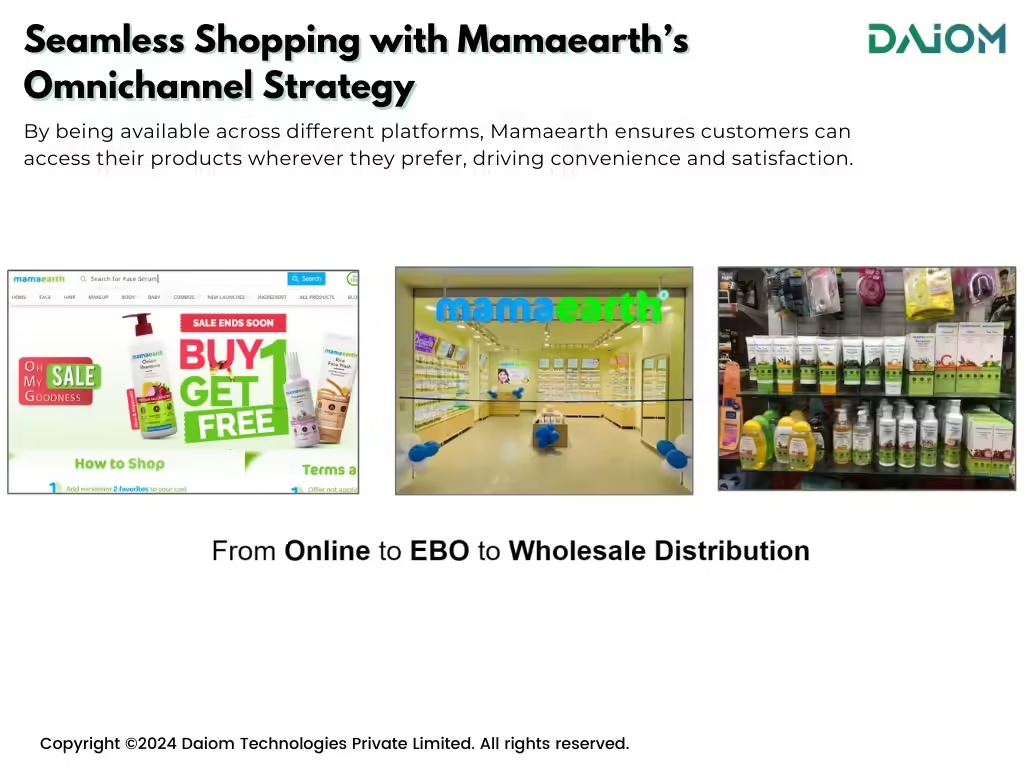
For example: take Mamaearth’s omnichannel strategy
5. Roles Emerging in Omni-Channel Technology
Technology powers every seamless omni-channel experience. Without it, ideas don’t scale.
If you’re entering this space, focus on:
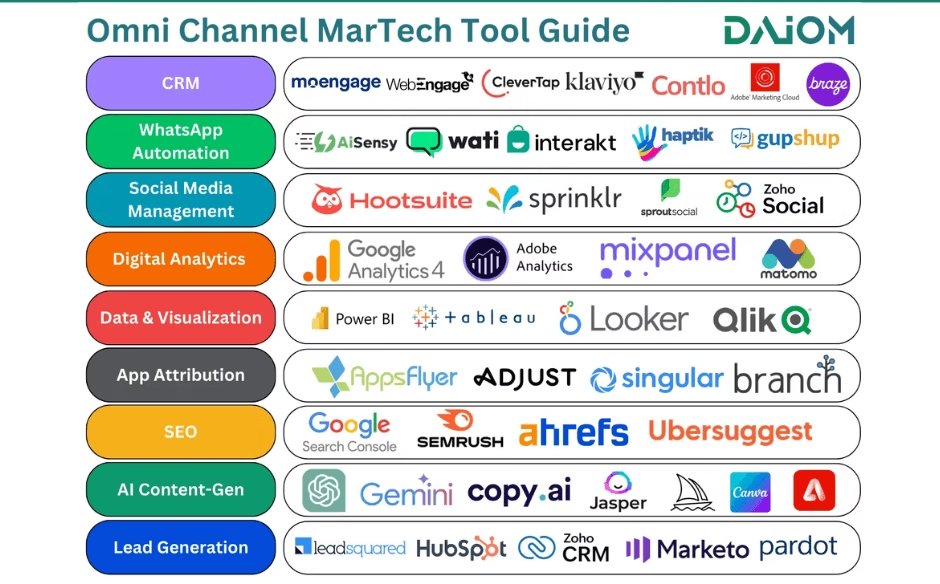
- MarTech & Automation: Working with CDPs, CRMs, and automation tools to activate journeys across channels.
- Integrations & Systems: Connecting e-commerce, POS, apps, and data tools so information flows without breaks.
- Product & Experience Tech: Building fast, reliable apps and websites that improve conversion and retention.
- Data & Event Tracking: Ensuring clean, real-time customer data across online and offline touchpoints.
Remember, omni-channel tech isn’t about code alone—it’s about enabling better customer experiences at scale.
6. Lessons from the Dilse Omni Podcast
Over the past few months, through our Dilse Omni Podcast, we’ve spoken to leaders, founders, and professionals shaping this space.
Their journeys offer timeless lessons for anyone looking to build a career in Omni-Channel growth.
Here are the top 5 mistakes to avoid, as shared by them:
- Don’t chase titles. Focus on the role and learning curve.
- Go beyond your job description. Be curious about tech, analytics, and customer problems.
- Understand the customer journey. Map funnels, not just ads.
- Build an experimentation mindset. Try, test, fail, and learn fast.
- Stay open to learning. Omni-Channel evolves every few months; adaptability is your edge.
7. Building a Career Path in Omni-Channel Growth
So, where can you start? If you’re from a marketing background, begin by building hands-on experience across analytics, retention, and experimentation to become an end-to-end growth operator.
- Learn data basics: Google Analytics, Excel dashboards, attribution.
- Experiment with Shopify or CRM tools.
- Collaborate with tech teams to understand implementation.
If you’re from an analytics background:
- Learn about customer funnels, ad platforms, and campaign KPIs.
- Build dashboards that connect business goals to data insights.
If you’re from a tech background:
- Explore marketing automation tools and understand customer lifecycle journeys.
- Develop empathy for the marketing and business context.
Each path converges toward a hybrid skillset that’s in high demand, professionals who can bridge strategy and execution.
8. The Future of Omni-Channel Growth Careers
The Omni-Channel ecosystem is still young.
We’re just scratching the surface of what’s possible with data, AI, and automation.
In the coming years:
- Every brand will need growth professionals who can unify experiences across digital and physical touchpoints.
- Every marketer will be expected to understand tech.
- Every tech or data professional will be expected to understand customer behavior.
It’s an exciting time, but it rewards those who stay curious.
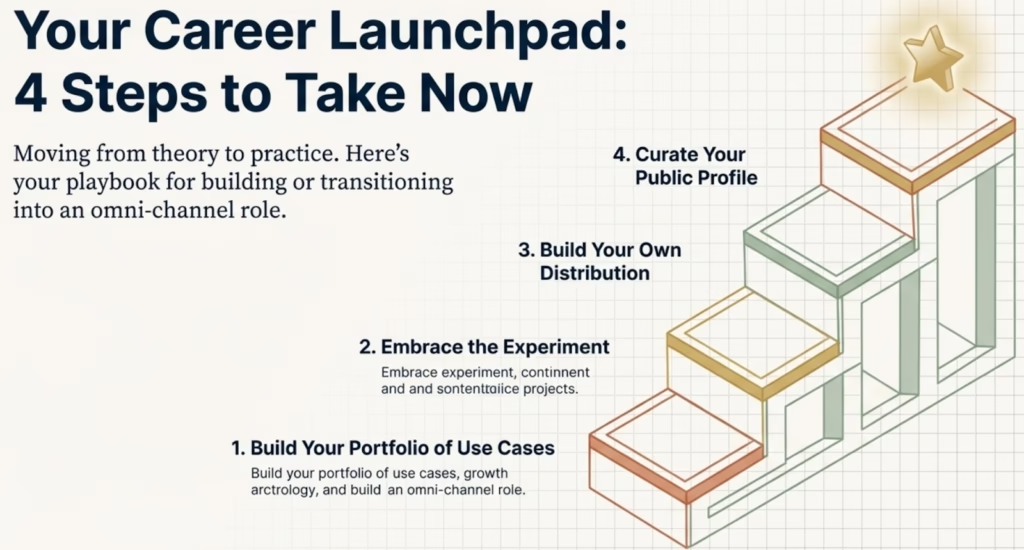
Omni-Channel growth isn’t just a business strategy anymore, it’s a career discipline.
It sits at the crossroad of creativity, technology, and data.
For young professionals, this means:
- Learn fast.
- Build cross-functional depth.
- Stay close to customers, not just tools.
As one of our podcast guests said:
“The best careers are built not by chasing trends, but by solving real customer problems.”
If you’re someone who loves learning, experimenting, and connecting dots, the Omni-Channel world is waiting for you.